40YEARS Sasakawa Peace Foundation

日本語
  • About SPF
    • About Us
      • About Us
      • History
      • Program Policy and Five Priority Goals
      • Board Members
      • Diversity and Inclusion
      • Financial Position
      • Honorary Chair's Message Archive
      • Activities Before 2017
    • President's Message
    • Integrated Report
    • Access
    • Idea Submission
    • Careers
    • Contact Us
  • Experts
  • Programs
    • Japan-U.S. and Security Studies Unit
    • General Affairs and Networking Program
    • National Security and Japan-U.S. Program
    • Strategy and Deterrence Program
    • Asia Unit
    • Strategic Dialogue and Human Resource Development Program
    • Peacebuilding Program
    • Sasakawa Japan-China Friendship Program
    • West Asia and Islam Unit
    • West Asia and Islam Program
    • Social Innovation Program
    • Ocean Policy Research Institute
    • Division of Ocean Vision and Action
    • Division of Island Nations
    • Scholarship Unit
    • Sasakawa Scholarship Program
    • Center for Mediation Support
    • Center for Mediation Support
  • Research & Analysis
    • Reports and Publications
    • Essays and Commentary
    • SPF Now Interviews
    • Videos
    • Podcasts
    • Browse by Regions
    • Regions
    • Americas
    • Northeast Asia
    • Southeast Asia
    • South Asia
    • Middle East
    • Oceania
    • Europe and Eurasia
    • Arctic
    • Africa
    • Satellite Sites
    • International Information Network Analysis
    • Asia Women Impact Fund
    • The OPRI Center of Island Studies
    • The Friends of WMU, Japan
    • SPF Insights into Japan–U.S. Relations
    • From the Oceans
    • Asia Peacebuilding Initiatives (APBI)
    • History of the Sasakawa Japan-China Friendship Program
      (Japanese language)
    • Japan-China Relations Data Graph (Japanese language)
    • Third Pole Project
  • News
    • News
    • Press Releases
    • SPF Newsletter
    • Media Coverage
  • Events
Social Innovation Program

【Report】Symposium
Co-creating Sustainable and Inclusive Migration Governance:
Lessons from Multi‑Stakeholder Collaboration across East and Southeast Asia

By Masako Iwashina, Program Officer, Social Innovation Program, Sasakawa Peace Foundation


August 27, 2026

Executive Summary

The Sasakawa Peace Foundation (SPF) and Human Rights Working Group (HRWG) co-organized the symposium “Co-creating Sustainable and Inclusive Migration Governance:  Lessons from Multi‑Stakeholder Collaboration across East and Southeast Asia” on August 6, 2026. 

Following the opening remarks by Mr. Itsu Adachi, Executive Director of the Sasakawa Peace Foundation (SPF), Mr. Daniel Awigra, Executive Director of the Human Rights Working Group (HRWG) and co-founder of BEBESEA (Better Engagement Between East and Southeast Asia)—a cross-regional civil society platform focusing on international migration—provided an overview of the symposium's background and objectives. 


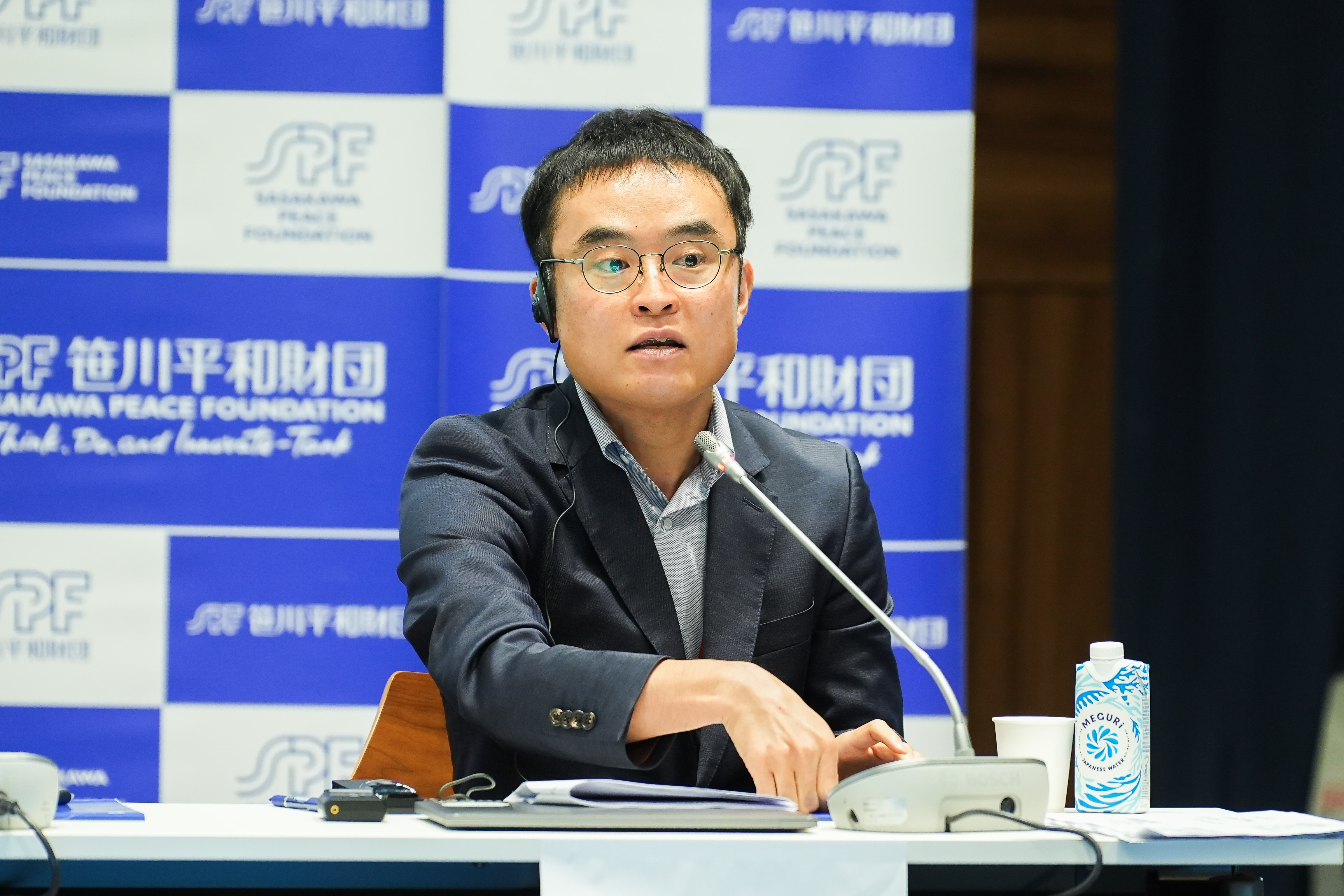
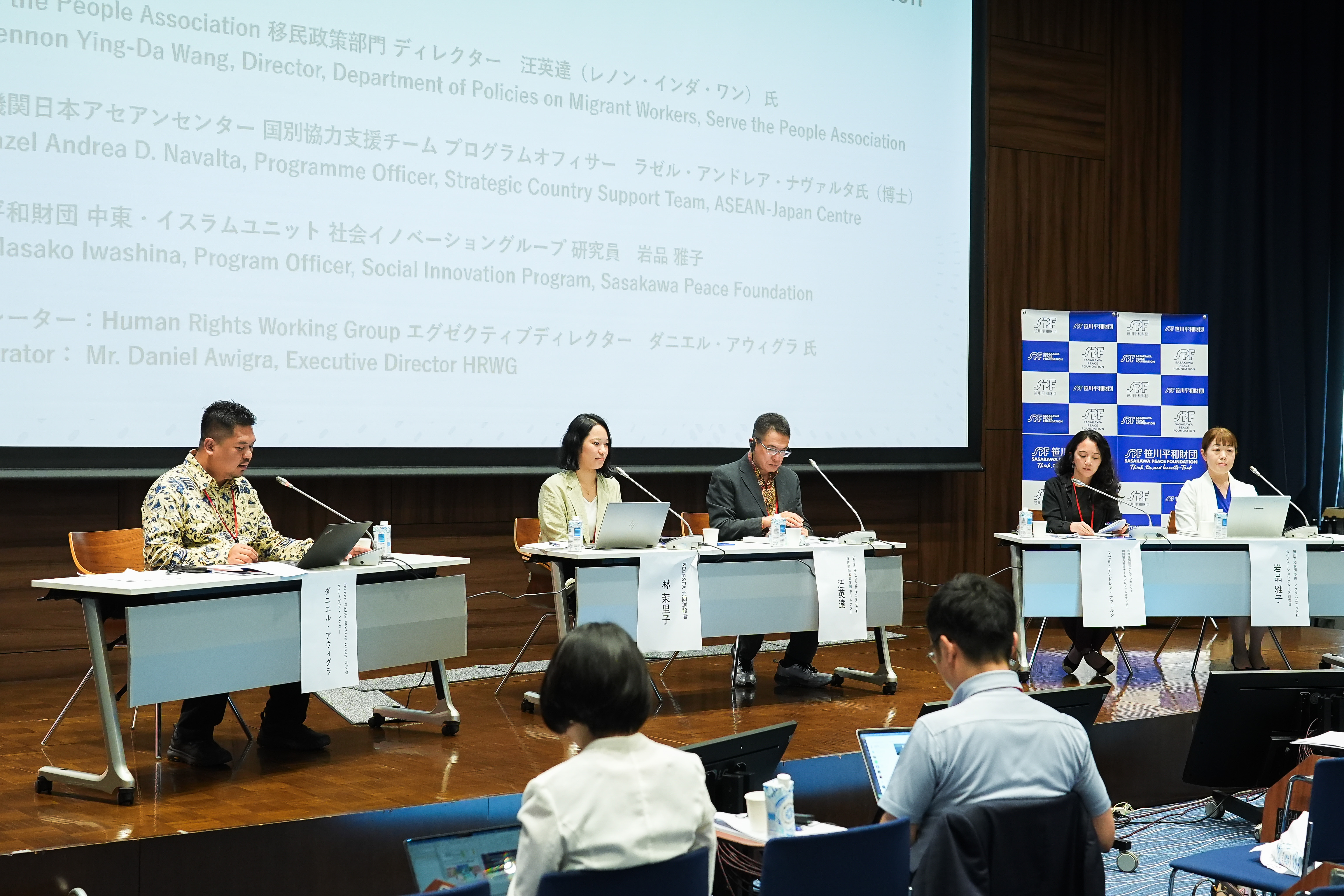
In the subsequent Session 1, moderated by Ms. Mariko Hayashi, co-founder of BEBESEA, panelists including Prof. Motoko Shuto, Professor Emeritus at the University of Tsukuba; Dr. Andika Wahab, Deputy Director and Associate Professor at the Institute of Malaysian and International Studies (IKMAS), Universiti Kebangsaan Malaysia (UKM); Atty. Akiko Sato, Attorney at Kotonoha Law Office; and Dr. Jotaro Kato, Associate Professor at the Department of Social Work, Faculty of Sociology, Meiji Gakuin University, discussed recent developments in migration governance and Business and Human Rights (BHR)in East and Southeast Asia. 

In Session 2, moderated by Mr. Daniel Awigra, co-founder of BEBESEA, panelists including Ms. Mariko Hayashi, co-founder of BEBESEA; Mr. Lennon Ying-Dah Wong, Director of the Department of Policies on Migrant Workers at the Serve the People Association (SPA); Dr. Razel Andrea Navalta, Programme Officer at the Country Cooperation Support Team, ASEAN-Japan Centre; and Ms. Masako Iwashina, Program Officer at the Social Innovation Group, West Asia and Islam Unit, the Sasakawa Peace Foundation, discussed lessons learned from cross-regional multi-stakeholder collaboration. 

Throughout the discussions, participants emphasized the vital importance of cross-regional collaboration among civil society, businesses, governments, and international organizations to drive systemic and institutional improvements grounded in the lived experiences and voices of migrant workers. 
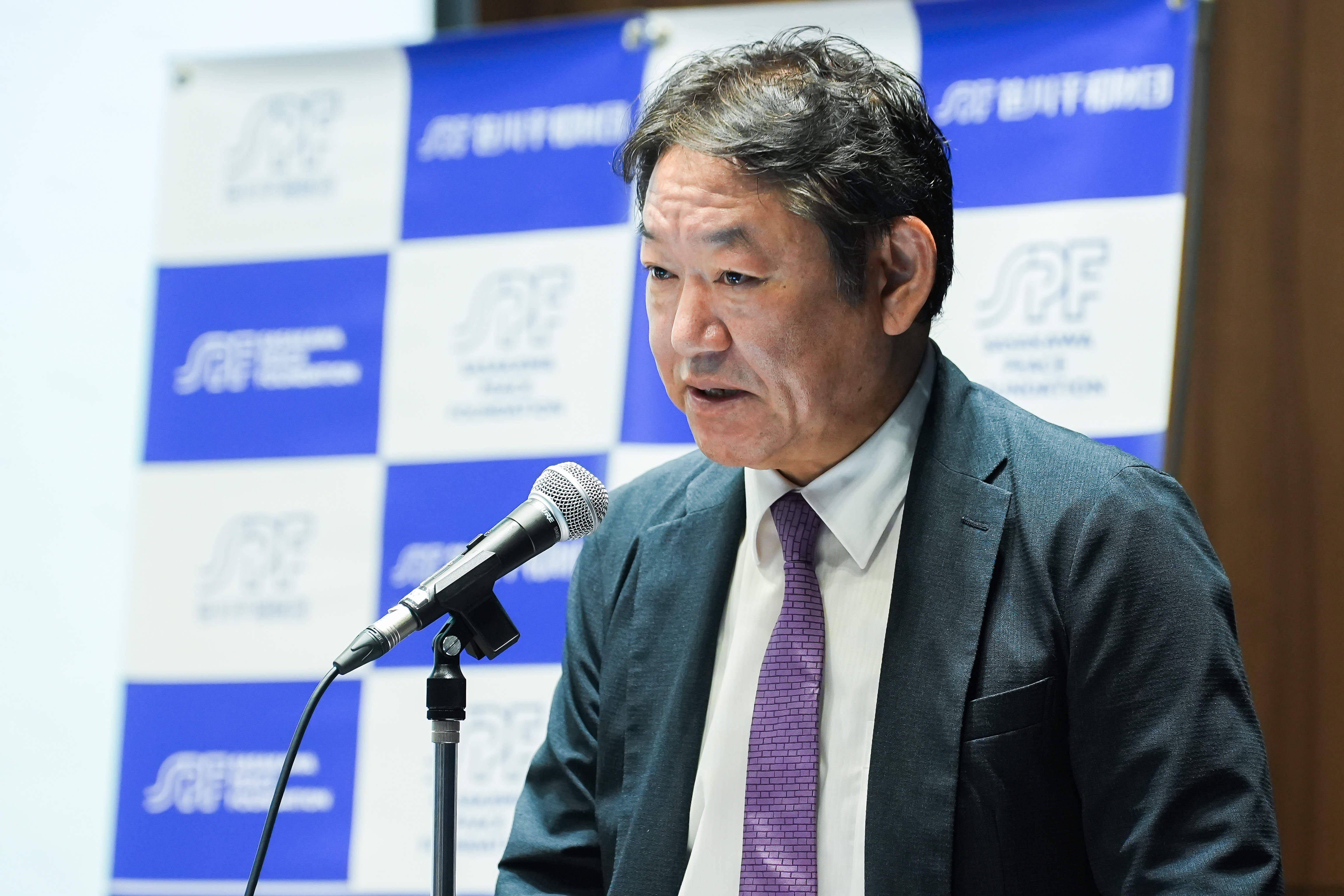
Background & Purpose of the Symposium (Mr. Daniel Awigra, Executive Director of the Human Rights Working Group (HRWG))

Mr. Daniel Awigra welcomed all participants and highlighted the significance of their long-standing partnership with the Sasakawa Peace Foundation (SPF) in establishing BEBESEA that facilitates cross-regional collaboration across East and Southeast Asia. He emphasized the urgent need for cross-regional among multi-stakeholders including civil society, policymakers, and businesses to address systemic vulnerabilities often faced by migrant workers—such as debt bondage and barriers to justice—by integrating international human rights norms and the international principles and framework on Business and Human Rights (BHR) into policy and business practices, and called on participants to ensure that migrant workers are recognized not merely as labor, but as valued community members and active partners in development. 

Session 1: Evolving Migration Governance and Business and Human Rights

Sharing Norms and Policy Developments for the protection of migrant workers in East and Southeast Asia (Prof. Motoko Shuto, Professor emerita, University of Tsukuba)

Professor Motoko Shuto examined the governance of international labor migration by comparing the multilateral, multi-stakeholder norm-setting processes in Southeast Asia (ASEAN) with the bilateral, demand-driven recruitment systems in East Asia (specifically Japan, South Korea, and Taiwan). She demonstrated how ASEAN has established collaborative platforms like the ASEAN Forum on Migrant Labour (AFML) to promote the rights and social protection of migrant workers, while also noting that these initiatives face implementation challenges due to a lack of legally binding authority. Furthermore, she analyzed structural similarities among East Asian destinations, such as industry-driven, government-managed programs that rely heavily on private intermediaries including NPOs such as Supervising Organizations in the case of Japan and often lack long-term career development pathways for migrant workers. Ultimately, she emphasized the critical role of Civil Society Organizations (CSOs) in bridging the gap between regional norms and local realities to achieve inclusive and sustainable migration governance. (See attached PDF for details)

The Evolving Role of AICHR - Amidst Complex Labour Migration Regime and Growing Business & Human Rights agenda in ASEAN (Dr. Andika Wahab, Deputy Director & Associate Professor, Institute of Malaysian & International Studies (IKMAS), The National University of Malaysia (UKM))

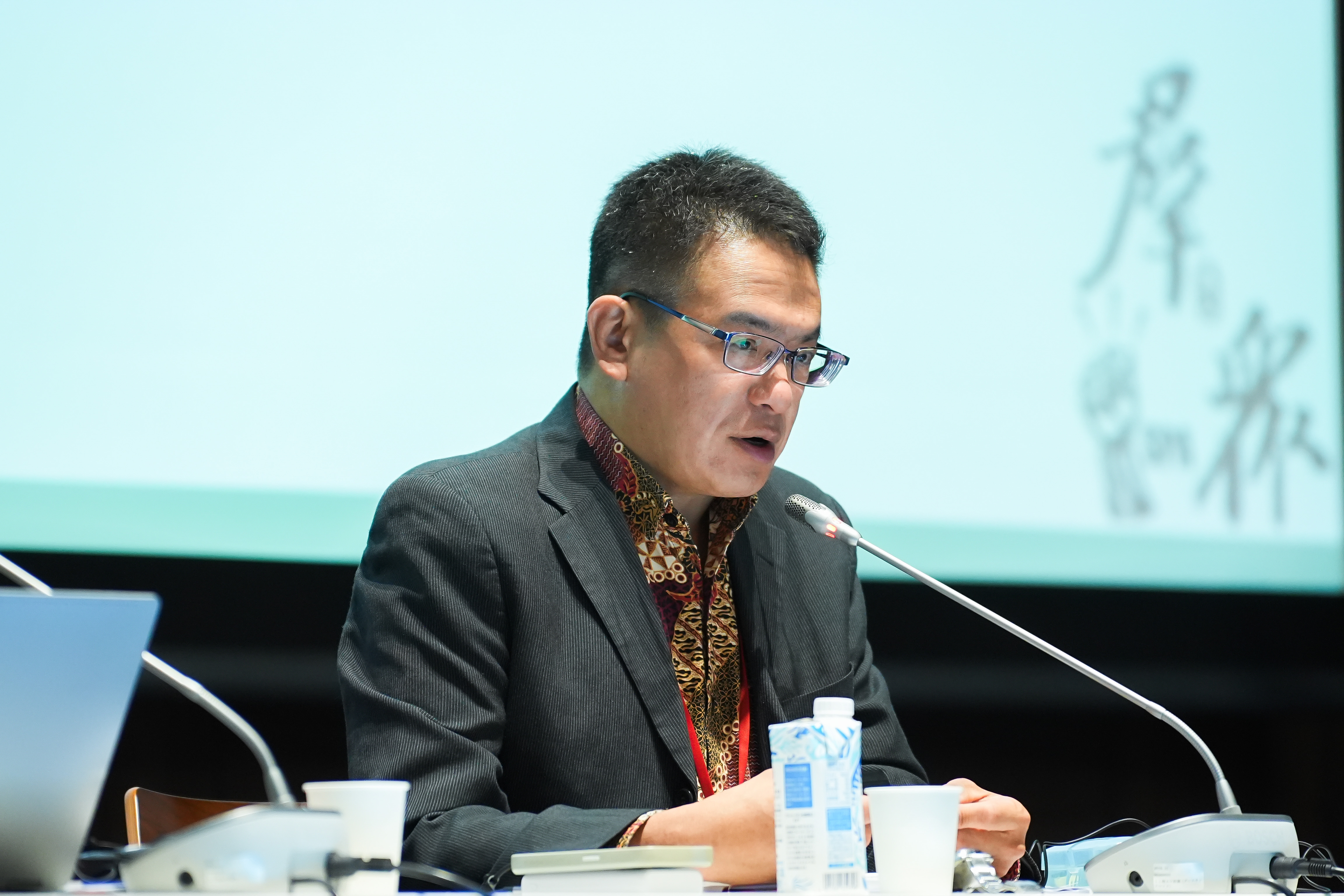
Dr. Andika Wahab explored the evolving role of the ASEAN Intergovernmental Commission on Human Rights (AICHR) at the intersection of complex regional labor migration regimes and the growing Migration, Business, and Human Rights (MBHR) agenda. He outlined the structural and legal vulnerabilities faced by migrant workers in ASEAN—such as forced labor, high recruitment costs charged to workers, and digital precarity—which are driven by uneven economic development and state-led capital accumulation. While acknowledging that AICHR has consistently led promotional and capacity-building initiatives on MBHR over the years, he pointed out that these efforts remain constrained by a lack of legally binding protection mechanisms and inadequate private-sector engagement. Looking forward, he proposed key opportunities for AICHR's Five-Year Work Plan (2026–2030) to transition from soft laws to legally binding commitments, strengthen human rights due diligence, and establish effective grievance and remedy mechanisms. (See attached PDF for details) 

Overview and Significance of 'Business and Human Rights' (Ms. Akiko Sato, Attorney At Law, Kotonoha Law)

In her presentation, Atty. Akiko Sato outlined the global standard of "Business and Human Rights" based on the UN Guiding Principles (UNGPs) and highlighted the growing social and legal responsibilities of companies to respect human rights across their entire value chains. She explained the concept of Human Rights Due Diligence (HRDD) as a continuous process embedded in daily operations and emphasized the significance of Japan’s 2022 Guidelines on Respecting Human Rights in Responsible Supply Chains. She also illustrated practical business actions through case studies of Japanese companies, such as Teijin and Sumitomo Rubber, which have addressed recruitment fees and improved living conditions for migrant workers. Finally, she urged companies to actively engage in collective actions with multi-stakeholders, focusing not only on "how" to implement policies but fundamentally "why" human rights must be protected. (See attached PDF for details) 

The Specified Skilled Worker System and Migrant Agency: From Three Case Studies of 'Undecided Stays' (Dr. Jotaro Kato, Associate Professor, Department of Social Work, Meiji Gakuin University)

Dr. Jotaro Kato examined the concept of "migratory agency" under Japan's Specified Skilled Worker (SSW) status by reconstructing the trajectories of Vietnamese workers. He argued that while the SSW program has expanded options for legal employment and long-term residency, it has also created a state of "undecided stays" rather than a straightforward path to permanent settlement. By comparing three distinctive cases—spanning transnational family arrangements, conditional settlement based on a child’s adaptation, and delayed decision-making resulting from expanded career opportunities—he demonstrated that migrants actively redefine their future plans in response to changing legal, workplace, and family conditions. Ultimately, he proposed that building an inclusive and sustainable migration governance framework requires moving beyond simply "hearing" migrant voices; instead, institutions must actively integrate their agency into policy design, corporate practices, and local community support. (See attached PDF for details) 

Session 2: Lessons from Cross‑Regional Multi-stakeholder Collaboration

Building Bridges, Making Home: Co-creating a Cross-Regional Movement(Ms. Mariko Hayashi, Co-Founder, BEBESEA)

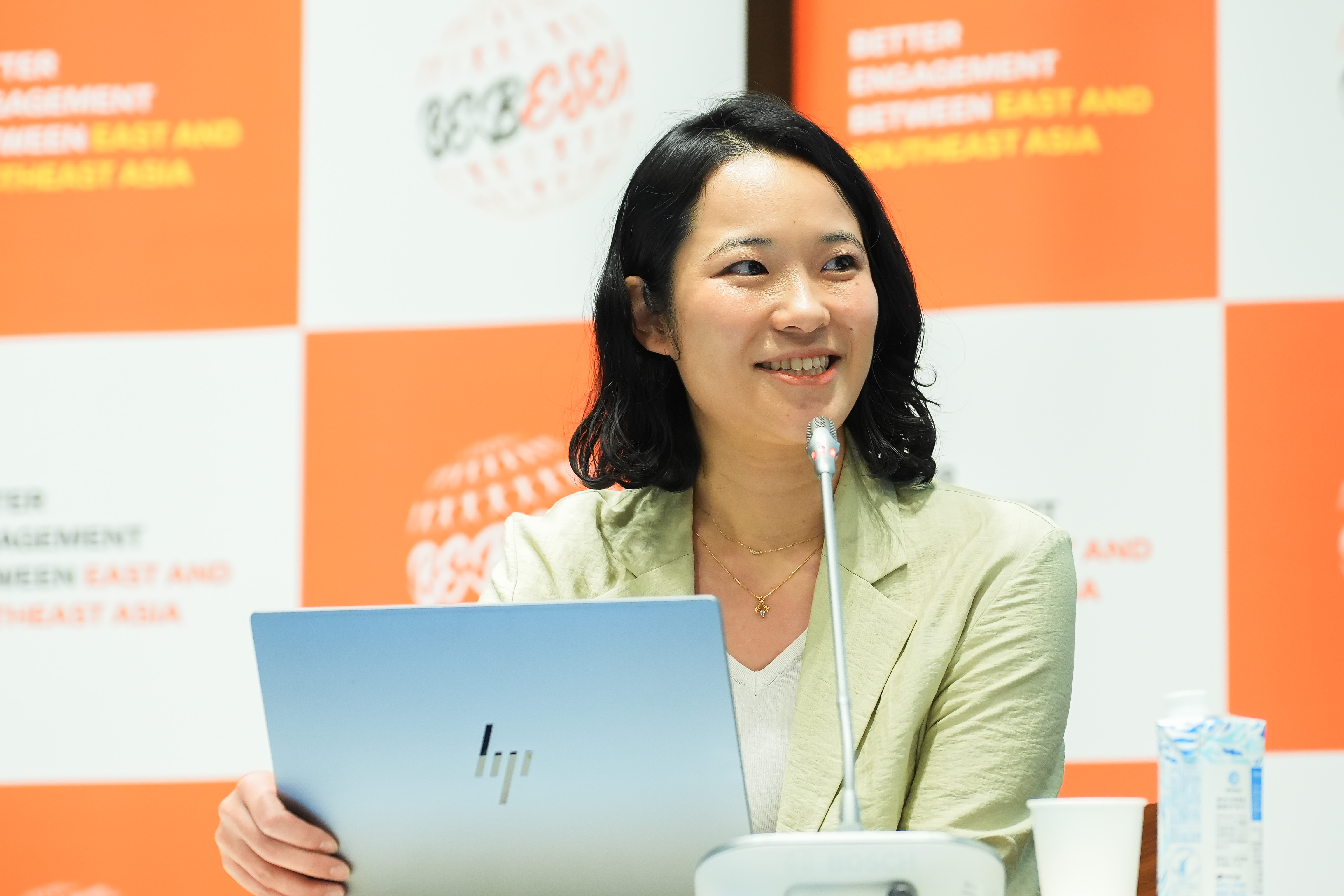
Ms. Mariko Hayashi introduced the cross-regional advocacy platform BEBESEA (Better Engagement Between East and Southeast Asia), which aims to address transnational human rights issues by connecting diverse stakeholders across East and Southeast Asia. She explained the organization's two foundational approaches—intersectional multi-stakeholder collaboration and grassroots capacity building—supported by strategic actions such as action-oriented research, policy engagement and storytelling. She then presented a comprehensive case study illustrating how BEBESEA translated grassroot community concerns regarding migrant fishers into high-level advocacy, which contributed directly to the adoption of ASEAN Guideline on the Placement and Protection of Migrant Fishers. Finally, she shared key insights from this cross-regional collaboration, emphasizing that building trust, establishing safe spaces, identifying shared agendas among stakeholders, practicing active allyship, and leveraging political momentum are essential for securing the meaningful participation of impacted communities, both marginalized migrants and their local host communities. (See attached PDF for details) 

International cooperation for the fair treatment of migrant workers: SPA’s experiences from Taiwan (Mr. Lennon Ying-Da Wang, Director, Department of Policies on Migrant Workers, Serve the People Association)

Mr. Lennon Ying-Dah Wong, Director of Department of Policies on Migrant Workers, the Serve the People Association (SPA) in Taiwan, presented on the systemic human rights violations faced by migrant workers in Taiwan by using forced labor indicators, and pointed out the historical policy failures and bias of the Taiwanese government. He explained how SPA has actively worked to eliminate debt bondage and human trafficking through a multi-faceted approach, which includes operating crisis shelters, assisting workers in filing legal complaints, and monitoring corporate supply chains in alignment with international Business and Human Rights (BHR) frameworks. Furthermore, he highlighted the success of SPA's efforts in empowering migrant workers through unionization and grassroots organizing across various labor sectors. Ultimately, he emphasized the shared connection between Taiwan and Japan—especially regarding the seafood trade and shared social prejudices—and called for stronger cross-border solidarity among Civil Society Organizations (CSOs) to ban forced labor products, implement fair recruitment costs shared by buyers, and establish a truly worker-centered approach.(See attached PDF for details) 

Closing the Access Gap: Lessons from Participatory Action Research and Regional Cooperation (Dr. Razel Andrea D. Navalta, Programme Officer, Strategic Country Support Team, ASEAN-Japan Centre)

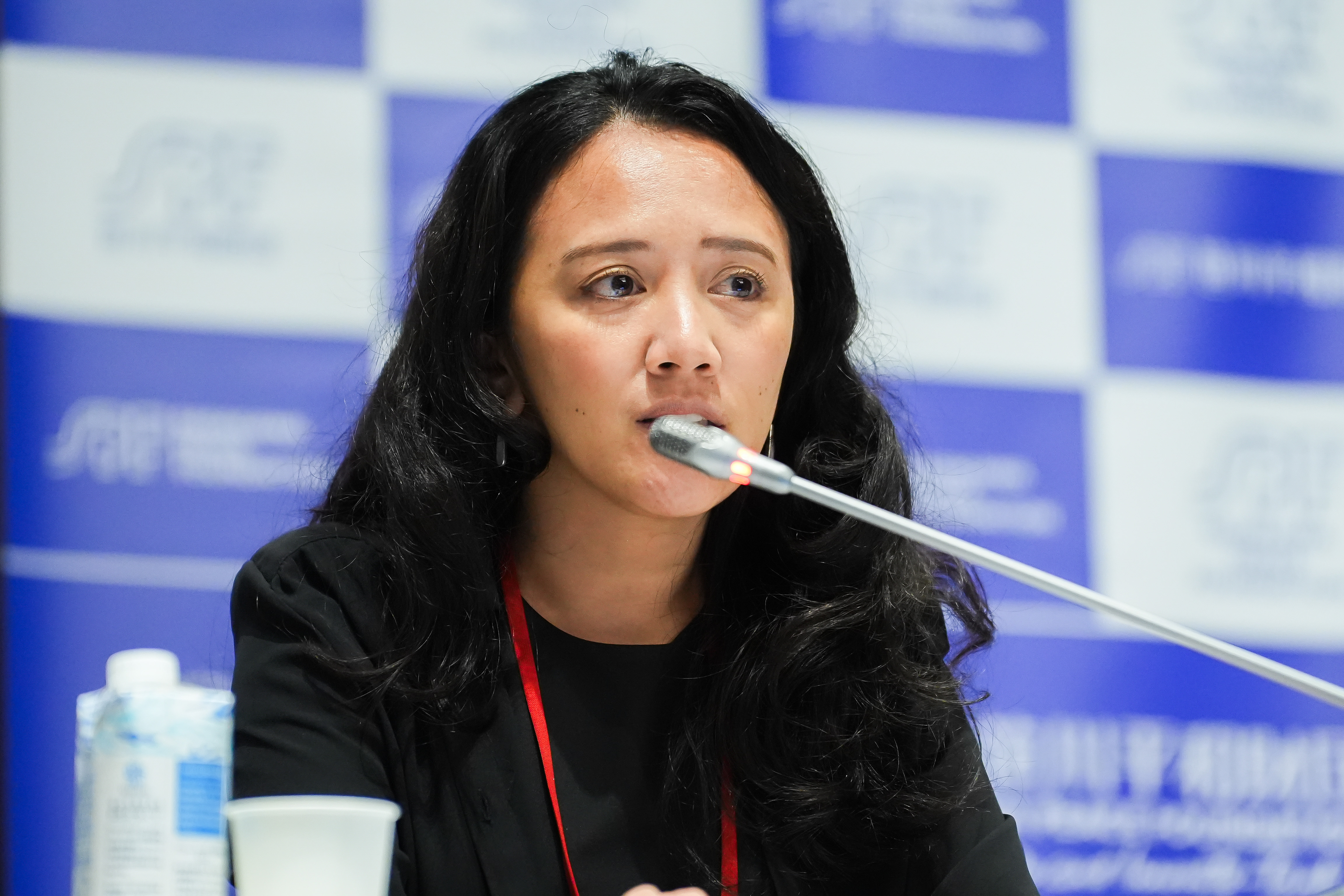
Dr. Razel Andrea Navalta, Programme Officer at the ASEAN-Japan Centre, presented on the participatory action research (PAR) project, conducted by BEBESEA and its partners, titled "Omitted from the Safety Net: How Migrant Workers Experience and Understand ‘Social Protection’ in East and Southeast Asia" which examined migrant social protection across four destinations: Taiwan, Japan, Malaysia, and Hong Kong. She highlighted that the PAR approach inverted traditional top-down analysis by treating migrant workers and grassroots community organizations—such as SPA in Taiwan and Kakehashi in Japan—as equal co-researchers and co-authors who actively develops and shapes the research agenda. Through concrete case studies, she demonstrated that closing legal gaps does not automatically resolve access barriers, as migrant workers still face persistent obstacles in practice due to complex procedures, language barriers, employer resistance, and a lack of information. Ultimately, she shared how these research findings successfully fueled direct policy dialogues with key institutions like Malaysia’s PERKESO, concluding that migration governance only becomes truly inclusive and sustainable when affected communities have a direct channel to shape policies rather than merely receiving them. (See attached PDF for details) 

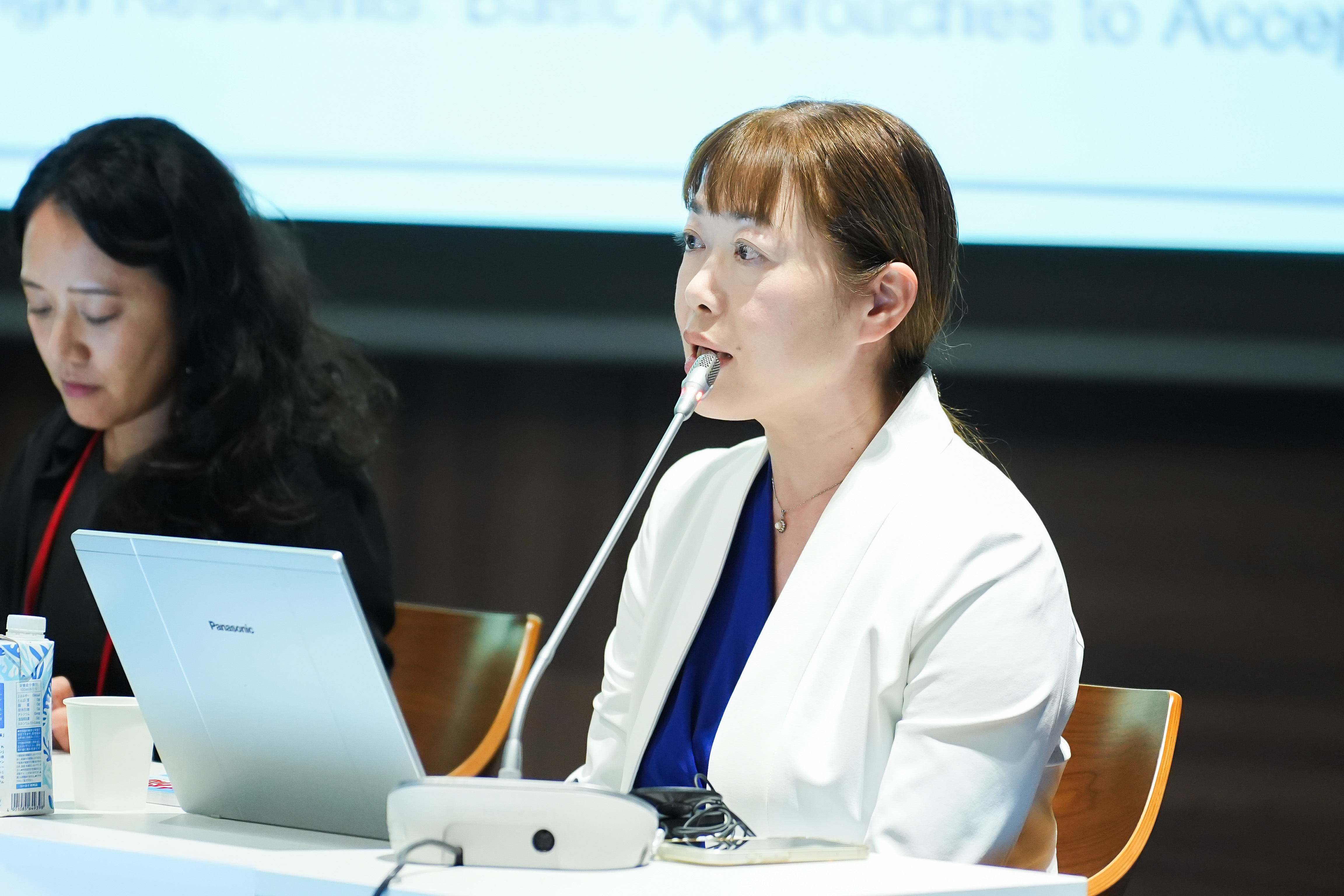
The Project ‘Building Models for Inclusive Societies in Asia’ (Ms. Masako Iwashina, Program Officer at SPF)

Ms. Iwashina presented on the project titled "Building Models for Inclusive Societies in Asia," outlining systemic improvement initiatives achieved through collaboration with migrants, governments, civil society, and businesses. Drawing on insights from SPF's partnership with BEBESEA, she illustrated the diverse challenges international migrants face across their entire lifecycle, including pre-departure information gaps, post-arrival adaptation issues, and reintegration hurdles upon return. As a response, she introduced a locally driven co-creation model established since 2020 in partnership with "Kakehashi"—a Japanese-Filipino community group—which developed multilingual guides and daily life orientations with the support of the Philippine Embassy in Tokyo and the Commission on Filipinos Overseas (CFO). Ultimately, she highlighted the policy impact of these interactive orientations, which became official Japanese government programs with expanded target countries starting in 2026, while emphasizing the importance of viewing foreign residents not just as labor but as families, and addressing their needs throughout their life courses. (See attached PDF for details) 

In his closing remarks, Mr. Ken Aoo, Director of the Social Innovation Group at the Sasakawa Peace Foundation, expressed deep gratitude to all speakers, co-organizers, and participants, highlighting the significance of openly sharing concrete, cross-border experiences of multi-stakeholder collaboration to co-create sustainable and inclusive migration governance in Southeast and East Asia. 


Social Innovation Program Realizing Inclusive Societies
Share

Related Articles

Latest News

Events

【Report】Symposium: Co-creating Sustainable and Inclusive Migration Governance: Lessons from Multi‑Stakeholder Collaboration across East and Southeast Asia

The Sasakawa Peace Foundation (SPF) and Human Rights Working Group (HRWG) co-organized the symposium “Co-creating Sustainable and Inclusive Migration Governance: Lessons from Multi‑Stakeholder Collaboration across East and Southeast Asia” on August 6, 2026.

August 27, 2026
News

Tea, Traffic, and Turkish Delight: A Cross-Cultural Business Trip to Türkiye

Between May 19-26, we were assigned to travel to Türkiye on an official business trip. Our mission was twofold: to facilitate a Japanese Taiko performance at the 8th Ethnosport Cultural Festival, and to explore how the new West Asia and Islam Unit can initiate future collaborations within Türkiye and other West Asian countries. By meeting stakeholders and learning about local social challenges firsthand, we aimed to help lay the groundwork for these potential partnerships.

August 20, 2026
News

Solving Social Issues Through Entrepreneurship Vol. 10 – The Growth of a Cambodian Local Food Brand Fueled by Resilience

The Cnai Accelerator Program—developed by SPF and its partners—supports entrepreneurs who apply a gender‑responsive approach to business. For this series, we interviewed the finalist entrepreneurs from the program’s third cohort to learn about their entrepreneurial journeys, the challenges they have faced, and how their businesses aim to address social issues. In this article, we interviewed Tailim Heang and Chanthy Thun, co-founders of Khema Nutrinut Co., Ltd—known under the brand name Tofee Nuts—one of the finalists of the 3rd Cnai Accelerator Program.

March 23, 2026
Browse Latest News

pagetop

Video Title

Footer

Sasakawa Peace Foundation

  • About SPF
  • News
  • Experts
  • Events
  • Programs
  • Access
  • Research & Analysis
  • Contact Us

Latest Updates

Receive regular updates about news, events, and research from the Sasakawa Peace Foundation

Sign Up to Our Newsletter

Satellite Sites

  • From the Oceans
  • The Friends of WMU Japan
  • Asia Women Impact Fund
  • Insights into Japan–U.S. Relations
  • International Information Network Analysis (IINA)
  • The OPRI Center of Island Studies
  • Asia Peacebuilding Initiatives (APBI)
  • History of the Sasakawa Japan-China Friendship Program (Japanese language)
  • Japan-China Relations Data Graph (Japanese language)
  • Third Pole Project
  • PRIVACY POLICY
  • SITE POLICY
  • SOCIAL MEDIA POLICY
  • SITE MAP
  • WEB ACCESSIBILITY POLICY

Copyright © 2021 The Sasakawa Peace Foundation. All Rights Reserved.