Sasakawa Peace Foundation

日本語
  • About SPF
    • About Us
      • About Us
      • History
      • Program Policy and Five Priority Goals
      • Board Members
      • Diversity and Inclusion
      • Financial Position
      • Honorary Chair's Message Archive
      • Activities Before 2017
    • President's Message
    • Integrated Report
    • Access
    • Idea Submission
    • Careers
    • Contact Us
  • Experts
  • Programs
    • Japan-U.S. and Security Studies Unit
    • General Affairs and Networking Program
    • National Security and Japan-U.S. Program
    • Strategy and Deterrence Program
    • Asia Unit
    • Strategic Dialogue and Human Resource Development Program
    • Peacebuilding Program
    • Sasakawa Japan-China Friendship Program
    • West Asia and Islam Unit
    • West Asia and Islam Program
    • Social Innovation Program
    • Ocean Policy Research Institute
    • Division of Ocean Vision and Action
    • Division of Island Nations
    • Scholarship Unit
    • Sasakawa Scholarship Program
    • Center for Mediation Support
    • Center for Mediation Support
  • Research & Analysis
    • Reports and Publications
    • Essays and Commentary
    • SPF Now Interviews
    • Videos
    • Podcasts
    • Browse by Regions
    • Regions
    • Americas
    • Northeast Asia
    • Southeast Asia
    • South Asia
    • Middle East
    • Oceania
    • Europe and Eurasia
    • Arctic
    • Africa
    • Satellite Sites
    • International Information Network Analysis
    • SPF China Observer
    • Asia Women Impact Fund
    • The OPRI Center of Island Studies
    • The Friends of WMU, Japan
    • SPF Insights into Japan–U.S. Relations
    • From the Oceans
    • Asia Peacebuilding Initiatives (APBI)
    • History of the Sasakawa Japan-China Friendship Program
      (Japanese language)
    • Japan-China Relations Data Graph (Japanese language)
    • Third Pole Project
  • News
    • News
    • Press Releases
    • SPF Newsletter
    • Media Coverage
  • Events
Social Innovation Program

Tea, Traffic, and Turkish Delight:
A Cross-Cultural Business Trip to Türkiye

Ratikorn Norasethaporn and Nana Hashimoto
Social Innovation Program, West Asia and Islam Unit
Sasakawa Peace Foundation
 

August 20, 2026
Between May 19-26, we were assigned to travel to Türkiye on an official business trip. Our mission was twofold: to facilitate a Japanese Taiko performance at the 8th Ethnosport Cultural Festival, and to explore how the new West Asia and Islam Unit can initiate future collaborations within Türkiye and other West Asian countries. By meeting stakeholders and learning about local social challenges firsthand, we aimed to help lay the groundwork for these potential partnerships.
 
This journey was particularly significant as it marked our very first official mission after joining the West Asian and Islam Unit. Since it was also the first time either of us had visited the West Asian region, the experience was incredibly eye-opening. Through this article, we would like to share our unique experiences, insights, and heartfelt impressions as first-time Thai and Japanese visitors to this fascinating country

Tea, Traffic, and Turkish Delight

Introduction: A Leap into the Unknown 
Gail: This past April, my career took an exciting turn that pushed me completely out of my comfort zone when I was assigned to the newly established “West Asia and Islam Unit” at the Sasakawa Peace Foundation (SPF) in Japan. My name is Ratikorn Norasethaporn, though you can call me by my nickname, Gail. As a Thai professional who has been navigating life and work in Tokyo for over a year and a half, stepping into this role felt like a leap into the unknown. I had no academic or professional background in West Asia, and my understanding of the region was limited to media portrayals, which are often heavily associated with war and conflict. Yet, I was eager to embrace the challenge.
 
Nana: I joined SPF as a new graduate, and the past April marked my seventh year in the workforce. I originally joined the foundation out of an interest in its ocean-related projects, and later I worked in the department responsible for promoting Diversity & Inclusion (D&I) within the organization. From April this year, I had the opportunity to take on a new role as an assistant for the West Asia and Islam Unit, where I now support its operations. With the U.S. having attacked Iran just a month prior to my transition, I have a very strong interest in how we will carry out our projects amidst such an unstable situation.

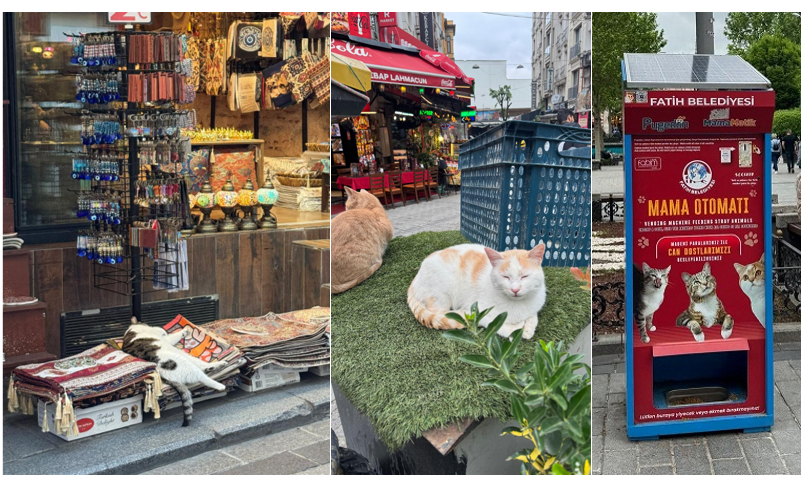
Cat and cat food machine can be found in the city.

Gail: Just one month later, in May, my willingness to step into unfamiliar territory was put to the test when I embarked on a week-long business trip to Türkiye. One of my missions was to connect with local organizations and assess the social challenges faced by marginalized populations. This groundwork is essential for planning future foundation projects that will contribute to social development and strengthen the ties between Japan and West Asia.

Aside from a brief airport transit in Abu Dhabi years ago, this was my very first time setting foot in the region. To my surprise, I found myself feeling quite nervous and unprepared, something that rarely happens to me when I travel. Before this business trip, my knowledge of Türkiye was mostly pieced together from YouTube vlogs. I knew about the Hagia Sophia, kebabs, Turkish delight (lokum), hamam (Turkish bath), the notorious heavy traffic, and, of course, the street cats. But despite my anxieties, I was determined to go with an open mind, ready to absorb as many firsthand experiences as possible without any preconceived notions. It was the perfect starting point to bridge the gap between perception and reality. 

Nana: Speaking of Turkish cuisine, kebabs—which you can easily grab on the street—are famous, but I wasn’t very familiar with other Turkish dishes. However, I will never forget the thrill I felt when I bought Turkish ice cream for the first time as a child, and based on that experience, I had always imagined Türkiye as a country full of cheerful people.This time, I traveled to Türkiye to provide on-site support for the dispatch of Japanese taiko drummers at a major cultural exchange event there. I had never traveled to West Asia before, and given the current global situation, I felt quite anxious before my departure.
The Ethnosport Cultural Festival: Bringing Japan’s Taiko to Istanbul
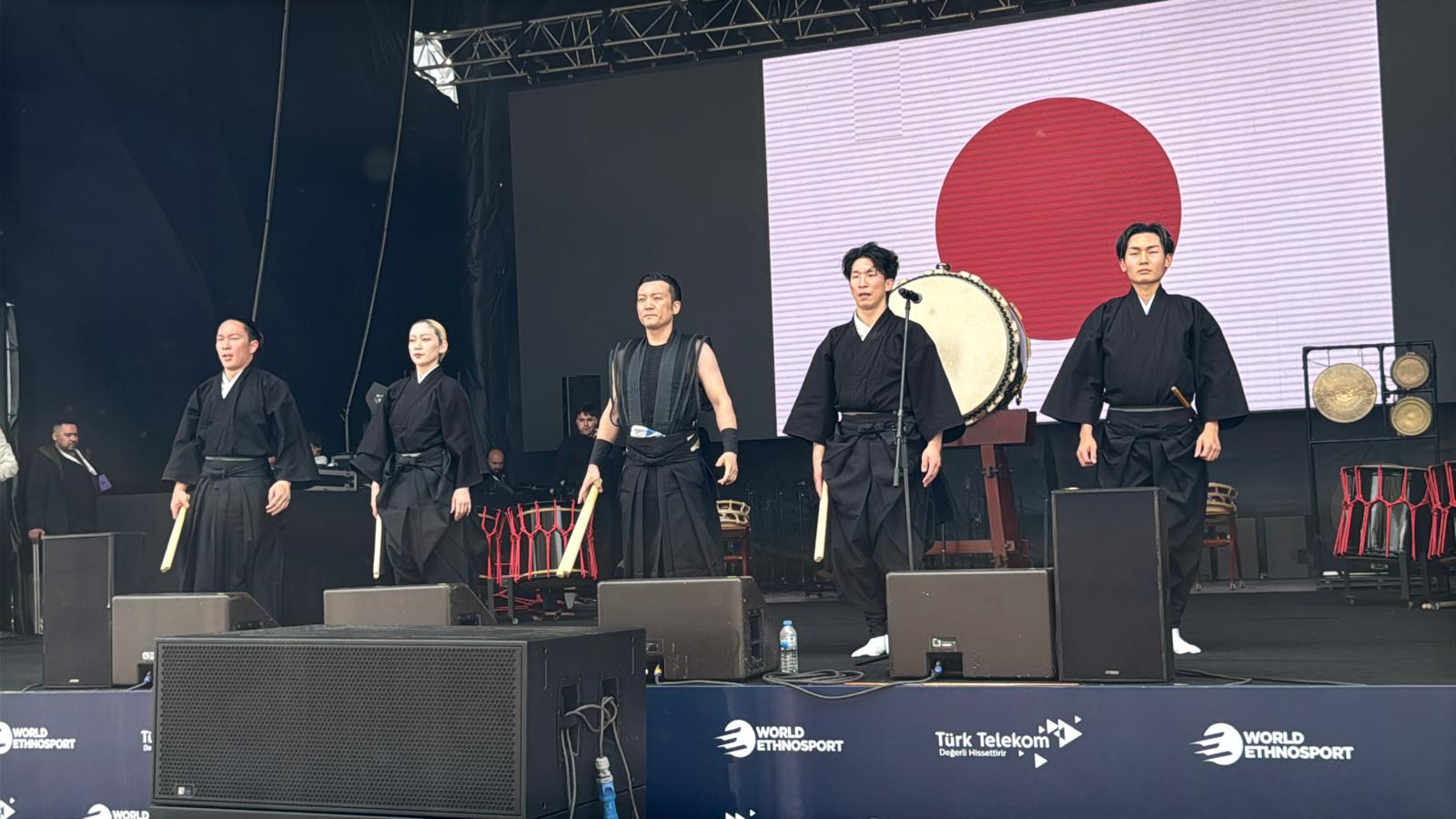
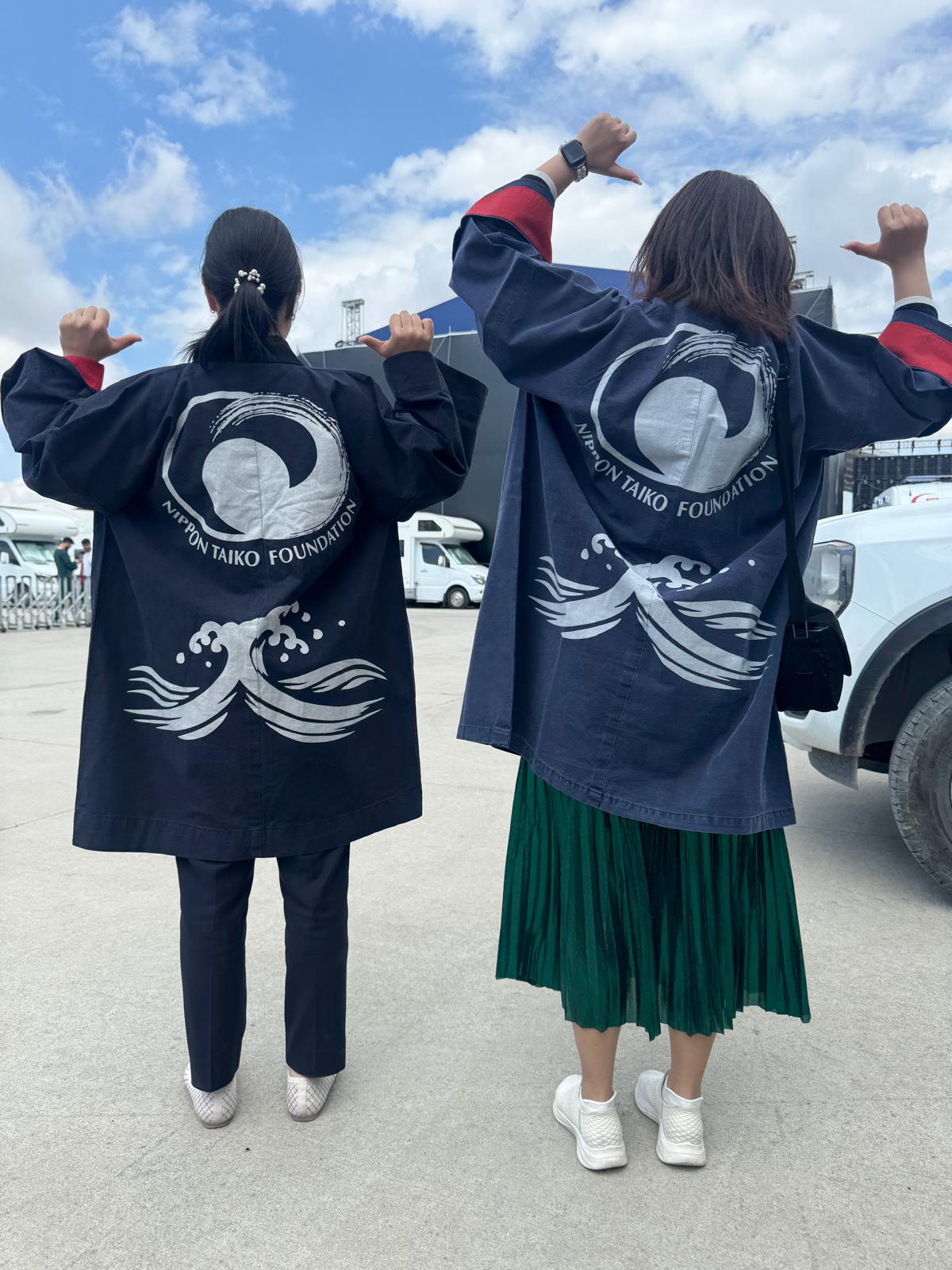
Gail and Nana: The centerpiece of our business trip—and our primary mission—was coordinating the Japanese Taiko (traditional drum) performance in collaboration with the Nippon Taiko Foundation. This took place at the Ethnosport Cultural Festival, organized by the World Ethnosport Union in Istanbul from May 21–24, 2026. Under the festival's theme, “The World is Here,” it was a tremendous honor for the Japanese performers to be invited to this cross-cultural event, where representatives from 35 nations gathered to showcase their beautiful ethnic music, arts, and sports.

Taiko Performers at the 8th Ethnosport Cultural Festival

While we were eager to gain firsthand experience in West Asia throughout this trip, our core professional task was to promote strong relations and a deeper understanding of Japanese culture among the audiences in Türkiye. Watching the crowds react to the Taiko drums reminded us of a beautiful truth: through art and music, people can instantly understand and connect with one another, entirely bypassing the language barrier.

First Impressions: Fast Cars, Warm Hearts, and Picturesque View
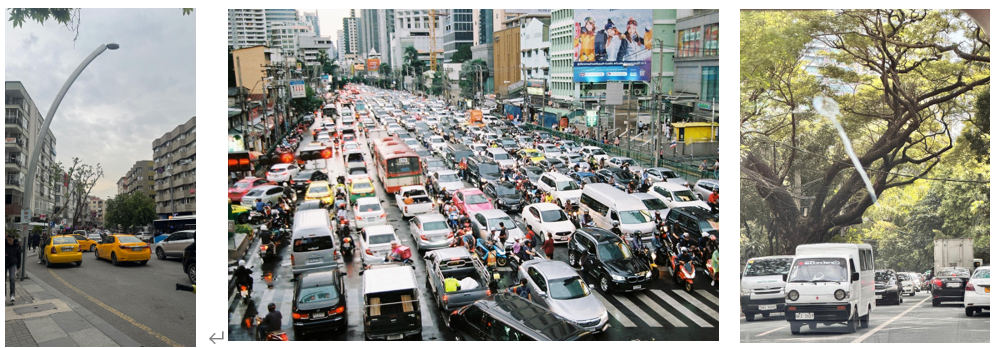
Gail and Nana: With this mission ahead of us, once we stepped out of Istanbul Airport, our first taste of reality was the heavy traffic. Every time we commuted between the hotel and event venues or appointments, the car rides were fast and (quite) furious which contrast sharply to the orderly streets we have grown used to in Japan.
 
Nana: In the city center, traffic is heavily congested, partly due to the trams running through the streets. However, once you get on the highway and the traffic thins out, the cars suddenly accelerate to the point where you would be thrown around in your seat if you weren't holding tightly to the grab handle.
 
Gail: I had somewhat anticipated this, as it reminded me of the driving style in Thailand and other Southeast Asian countries, perhaps just a bit more extreme. If you are sensitive to motion sickness, be cautioned ahead!
 

Common Traffic Condition in Turkey, Thailand, and the Philippines

Gail and Nana: Yet, in sharp contrast to the aggressive driving, we were immediately struck by the incredible kindness of the Turkish people.
 
Nana: The on-site support team from the Ethnosport Union listened carefully to our requests and accommodated us to the best of their ability, even while busy managing the stage schedule. Furthermore, because they responded to every situation with a smile, we were able to entrust them with our performance adjustments with complete peace of mind.
 
Gail: I received a warm welcome everywhere I went from local stakeholders I met, drivers who thoughtfully offered me drinks before long rides (not just once, but four times!), passersby, to a hotel staff member who remembered my name and greeted me with a cheerful "Ratikorn" every time we crossed paths.
 
Nana: Even while Gail was temporarily away on a business trip to Ankara, the hotel staff was asking me, “Where is Ratikorn?” I truly feel that it is a country full of very friendly people who quickly open up and strike up a conversation with you.
 
Gail and Nana: Just like in any country, navigating public transportation can be a challenge for first-time travelers. Despite our years of experience surviving the notoriously complicated train systems in Japan, during our very first attempt to catch a tram in Istanbul, we (un)successfully managed to get completely lost on the way to our meeting point! It takes time, trial and error until you get used to it. Yet, even with the language barrier, we never hesitated to ask for help. The locals eagerly communicated with us, whether through Google Translate or expressive hand gestures. I quickly learned that Turkish people are more than willing to assist strangers—and even if they occasionally pointed us in the wrong direction, we deeply appreciated their genuine kindness and eagerness to help.
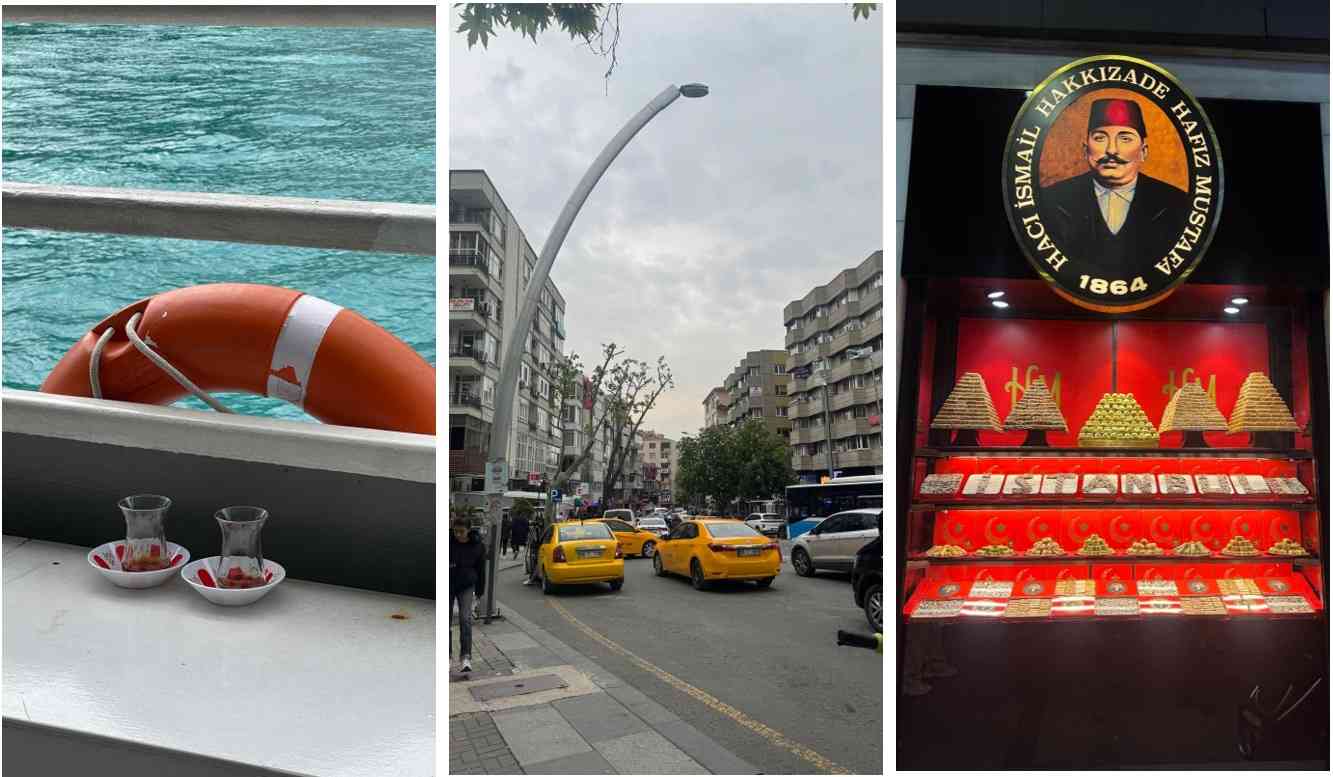
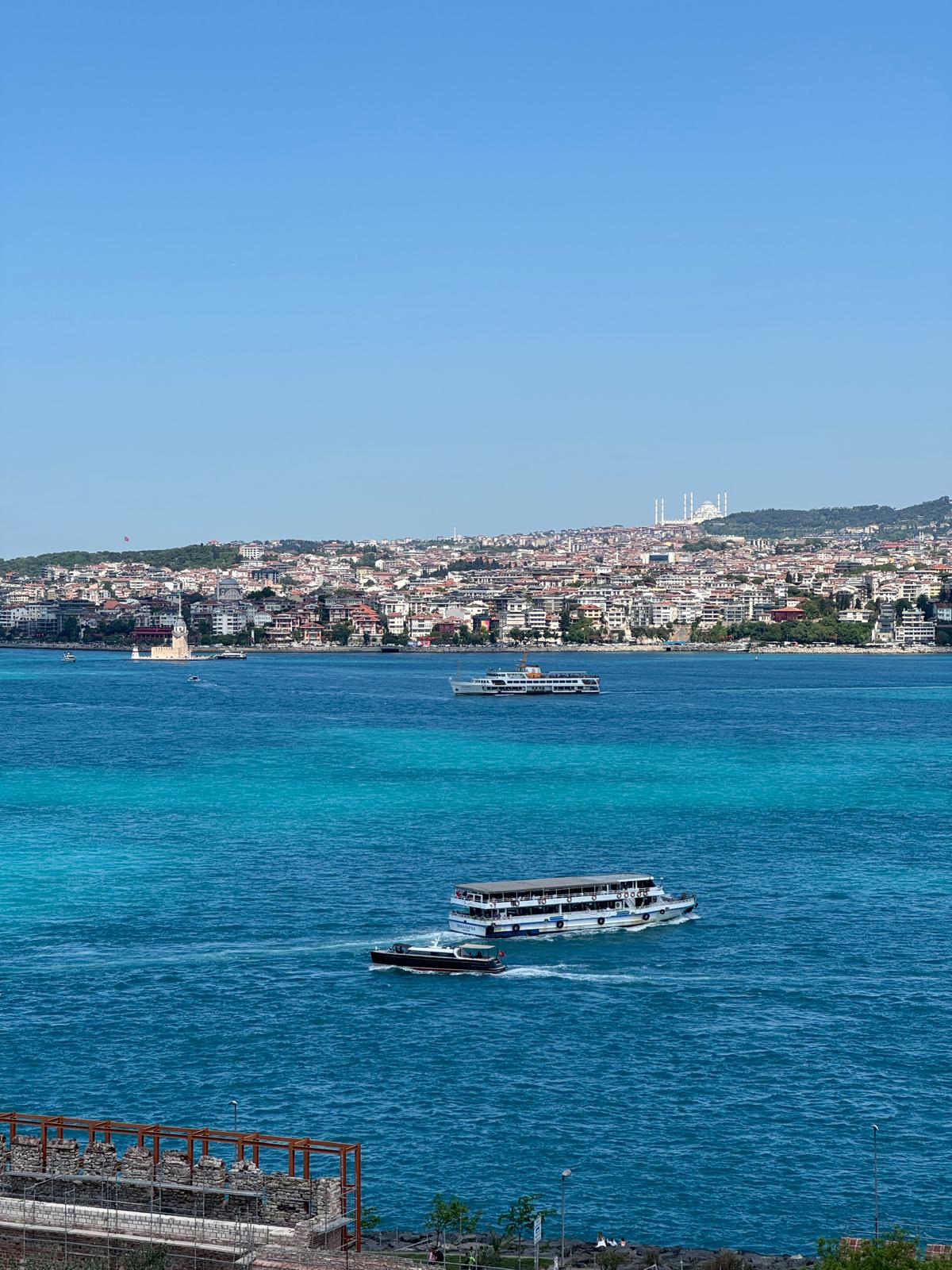
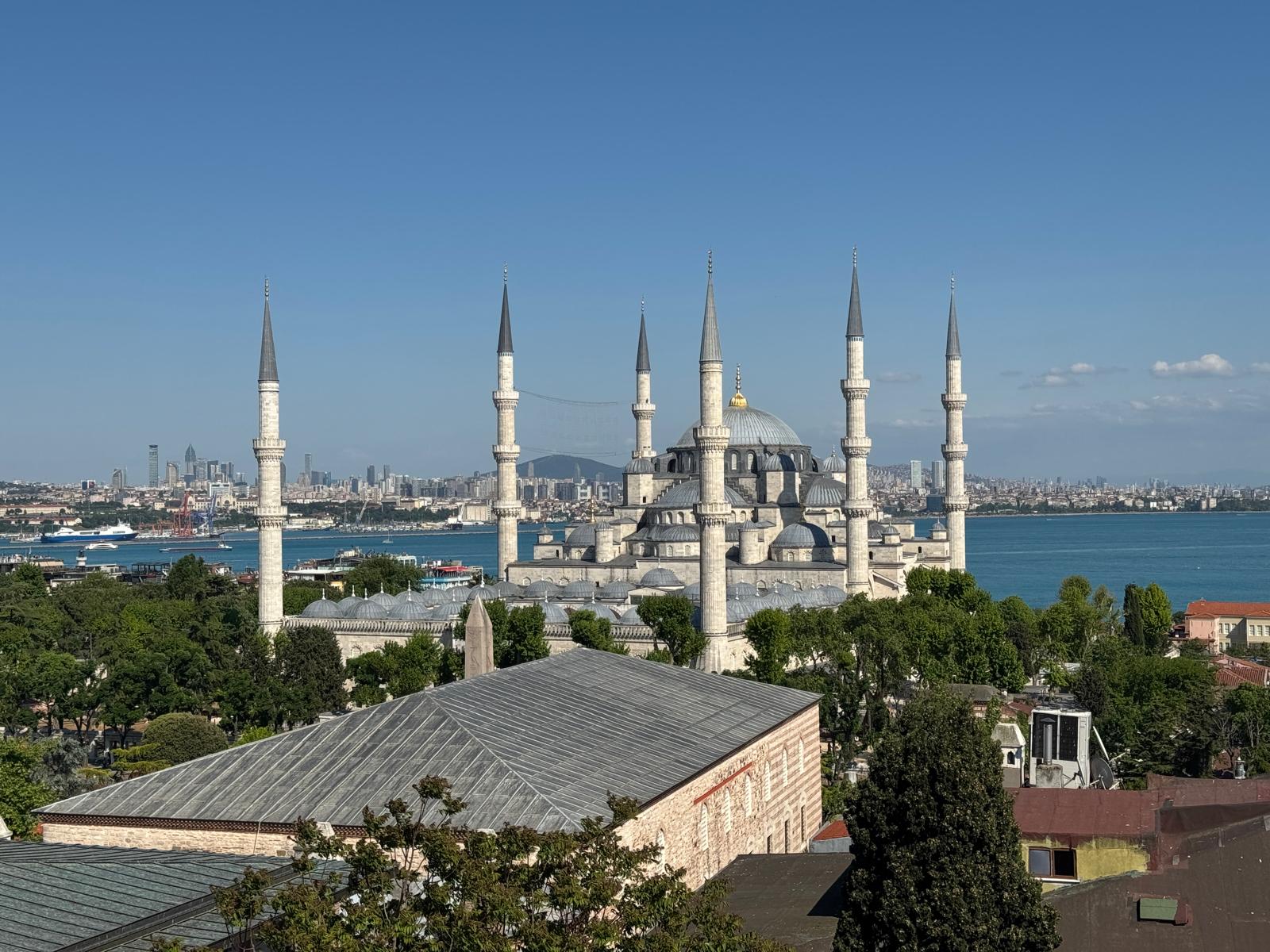
Gail: Even amid the fast-paced, bustling life of this massive city, Istanbul offers moments of profound stillness. There are countless picturesque spots where you can simply sit and take in the magnificent backdrop of majestic, historic mosques, passing boats, and the shimmering sea. Amid a packed work schedule, these quiet moments spent simply gazing at the water’s surface were exactly what I needed to calm my mind and savor the beauty of this region.

Nana: The streets of Türkiye are free of skyscrapers, feature consistent color palettes, and are very well maintained. While on a business trip, I stopped by a rooftop café, as shown in the photo, and the blue hues of the sea, sky, and buildings were stunningly beautiful. Since it coincided with prayer time, the call to prayer could be heard, and I had a wonderful, exotic experience.
 

Finding My Pace in Ankara (by Gail) 
Gail: During this business trip, I had the opportunity to visit both Istanbul and Ankara, and the contrast between the two cities was striking. Istanbul, as the largest city, is bustling with heavy traffic and dense crowds, with its city planning, buildings, and historical sites all tightly packed together.

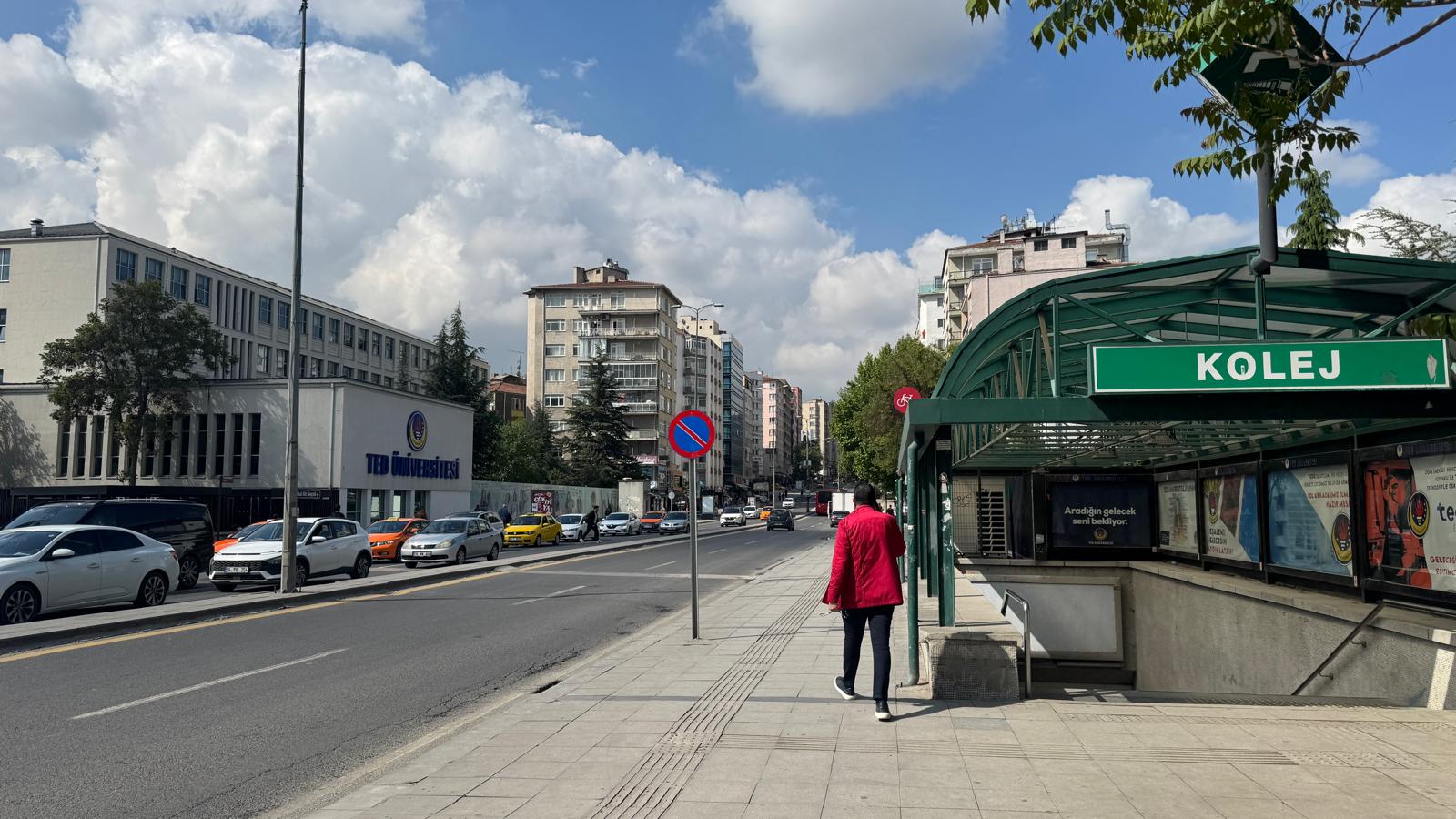
Calm and organized city area around a university in Ankara

On the other hand, Ankara, the capital city, offered a much calmer and more organized atmosphere, with wider spaces and noticeably less traffic (though still somewhat heavy during peak hours). The cost of living is also comparatively slightly lower than in Istanbul; for instance, I was able to enjoy a lovely café breakfast for only about 500 yen.

Although my time in Ankara lasted only two days and was packed with back-to-back meetings, I truly enjoyed the discussions with local stakeholders to learn the current social challenges facing Türkiye and the Syrian refugee communities there. These intensive discussions were crucial for understanding how SPF can meaningfully contribute in the future. I also had an opportunity to explore the university spaces dedicated to promoting social innovation and social entrepreneurship. After the academic part ended, I had time to myself, strolling along streets and observing the locals. I found that the city’s rhythm fit perfectly with my own living pace.

The Surprising Moment ①: A Universal Rule of Hospitality 

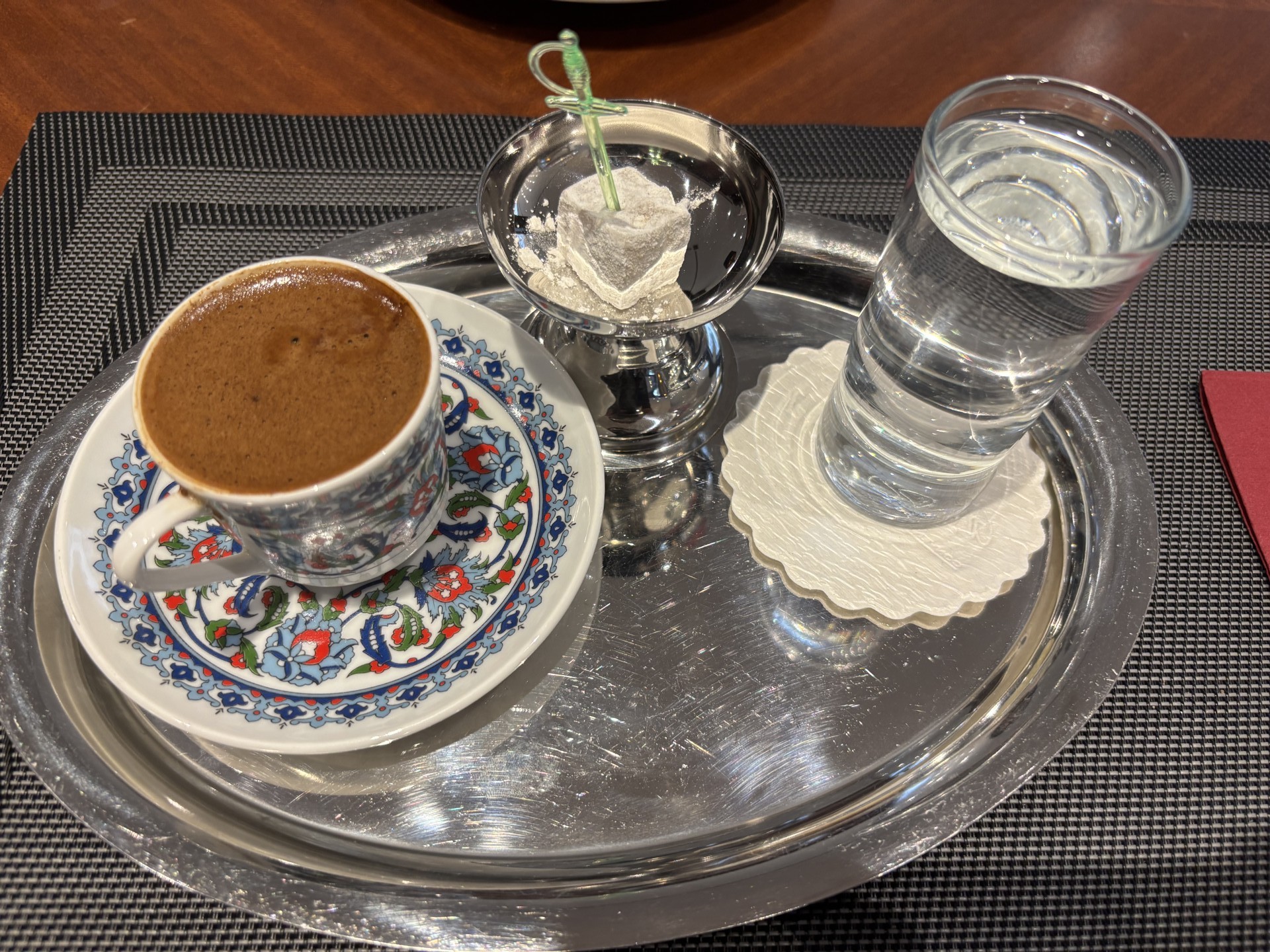
Turkish coffee with Turkish delight

Gail: Perhaps the most memorable impression that remains with me is the sheer depth of Turkish hospitality (Misafirperverlik in Turkish or おもてなし, omotenashi in Japanese, and น้ำใจ, NamJai in Thai). It was during these meetings with local stakeholders that I experienced a staple of this culture: the continuous flow of  çay  (tea) and Turkish coffee. I ended up drinking around four cups a day, which was certainly more than my usual caffeine intake! I quickly noticed that offering tea or coffee is a heartfelt way for hosts to welcome their guests and a critical foundation for building relations and trust.

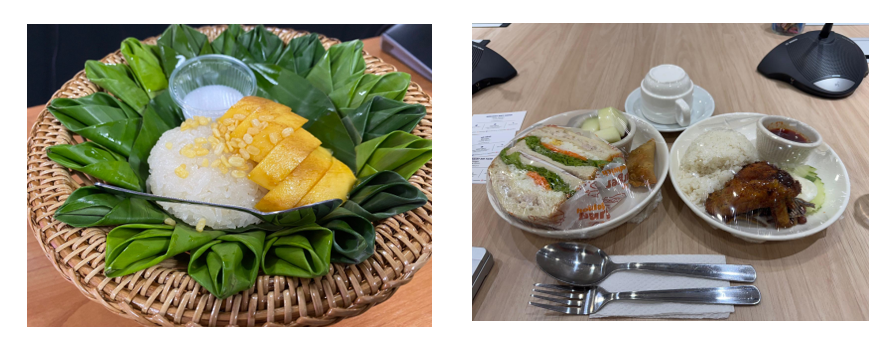
Thai dessert at meeting with Thai government / Full meal at meeting with Malaysian government

It reminded me so much of home, where Thai people will always offer a full spread of desserts and tea even during formal official meetings. It also brought back memories of a business trip to Malaysia, where my hosts served a full feast of fried chicken and rice, sandwiches, desserts, milk tea, and hot coffee during a morning meeting, right after we had just eaten breakfast at our hotel!

Upon returning to Istanbul from Ankara, during my taxi ride back to the hotel, the driver kindly used Google Translate to ask if I wanted some çay  (yet again!) during a brief stop at a gas station. Even though I politely declined, he surprised me by returning to the car with a bottle of water and a delicious lemonade. Buying tasty food for the people around me is my personal love language, so I was incredibly touched by this level of generosity from a complete stranger. Turkish kindness has certainly raised my standards.

Clearly, whether in West Asia or Southeast Asia, there is one universal rule of hospitality: "we must make sure our guests never go hungry."
 

The Surprising Moment: ⓶: "Everything Will Work Out in the End" — A Perspective on Daily Life Learned from a Relaxed Mindset
Nana: Through my work, I often find myself anticipating the vague expectations of others and acting accordingly. I believe this has sometimes served as a demonstration of sincerity and careful planning, rather than mere efficiency. On the other hand, what I observed while working with our Turkish counterparts was their attitude of doing their very best and moving forward toward their goals with flexibility. While it is true that I initially felt uneasy about this difference in approach, in the end, they successfully brought all of our intentions to fruition.
 
They love conversing with people, and I frequently saw them enjoying coffee with friends on the side of the road. Rather than worrying about what others might think, they dedicate their time to themselves and their companions. And to me, they seemed like geniuses at finding small joys in everyday life. There must be so many moments of happiness that we tend to overlook when we are immersed in our everyday routines. This experience made me feel that I, too, would like to start paying closer attention to these modest joys.
 

Cross-Cultural Lens: Japan, Thailand and Türkiye 
Gail: Another standout moment occurred during a meeting with a local stakeholder. Even though it was our first time meeting, she warmly told me that we were already friends and that I could reach out for help whenever I needed. This deeply resonated with Thai culture, where people quickly embrace each other as "friends," and the "friend of a friend is also my friend" mentality is very common. I quickly learned that in this region, building this kind of genuine, warm personal connection is the absolute prerequisite to any successful professional partnership. This offers a fascinating contrast to Japanese culture, where it typically takes much more time and shared experience for an acquaintance (shiriai, 知り合い) to become a true friend (tomodachi, 友達). 
 
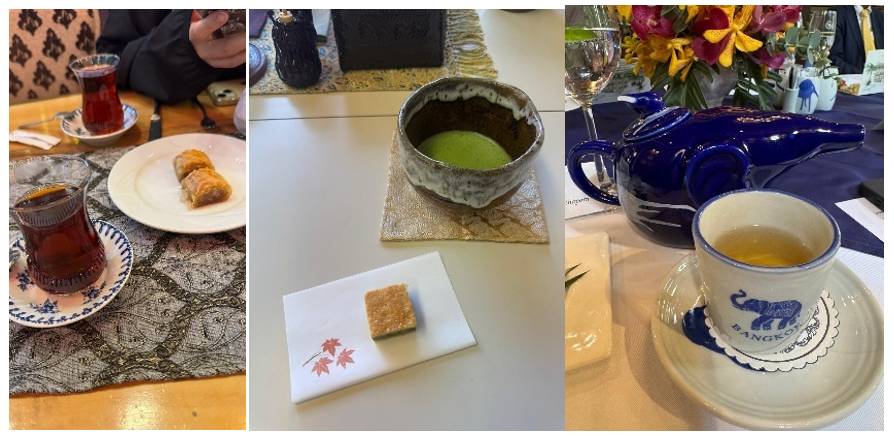
Another beautiful cultural thread that binds all three countries— Türkiye, Thailand, and Japan—together is tea culture. In each of these places, tea is never simply a beverage. Instead, it is a profound symbol of hospitality, a welcoming gesture for guests, and a dedicated time to sit, converse, and truly connect with one another.

Turkish çay, Japanese matcha, Thai lemongrass tea

Of course, where there is tea, there are sweets. At my first bite of a Turkish sweet, like Turkish delight (lokum) and baklava, the sugar level was almost overwhelming, especially compared to the delicate, 'not too sweet' flavor profile of the Japanese confections I have grown accustomed to in Tokyo. However, this intense sweetness quickly made me feel right at home. Traditional Thai desserts are also famously sweet, so my palate adjusted in no time! In the end, I enjoyed them so much that I made sure to buy several boxes of Turkish treats to bring back to Japan with me.
 
Nana: In recent years, with the increase in inbound tourists visiting Japan, Japanese “omotenashi” has been attracting a great deal of attention. However, throughout our one-week stay, I also experience a great deal of heartwarming acts of hospitality from the people of Türkiye. The çay offered to us by the driver of the vehicle that helped us get around; the people who carefully helped us transport the taiko drums before the performance; the interpreter who worked tirelessly to ensure everything ran smoothly; and the restaurant waiter who treated us complimentary dessert. The thoughtful consideration and kind hospitality shown to us by the locals we encountered at every turn left a deep and lasting impression on us.
 

Conclusion: The Verdict on West Asia 
Gail: Adapting to an absolute new culture and environment certainly takes time. It can be scary at the beginning of your journey out of comfort zone. However, I learned that it is essential to be as open-minded as a blank canvas. By doing so, you will gradually enjoy life in its new rhythm more and more, just as I did in Türkiye within a week. This business trip is definitely not the last time for me to learn more about the region, but rather an open door that will lead me to better understanding of people, society, culture, and so on. I hope that with my deeper knowledge, I can contribute more as a connector among Japan, West Asia, and Southeast Asia, leading to meaningful cross-border collaboration and sustainable development. I am excitedly looking forward to my next chance to visit West Asia.

Nana: We visited Türkiye for our group’s first business trip since its launch in April, and thanks to the tremendous support of the local community, we were able to successfully conclude the entire itinerary. At this event, a Japanese taiko drumming performance was showcased on the largest stage. The enthusiasm of the audience strongly conveyed a high level of interest in traditional Japanese culture. What was particularly memorable was a moment during the performance when a local DJ spontaneously joined in with an impromptu beat. This flexible form of expression—fusing traditional performing arts with the sensibilities of the moment without being bound by conventional frameworks—was truly an eye-opening experience that overturned my preconceptions.
Our group is working to build mutually beneficial relationships by serving as a bridge between Japan and West Asia. Fueled by a local energy we experienced firsthand during this business trip and the sense of connection we felt in those moments of cross-cultural resonance; we will continue to expand our two-way, creative exchange programs. Building on the insights and network we gained in Türkiye, we hope to deepen mutual understanding between the two regions even further.

Social Innovation Program Realizing Inclusive Societies
Share

Related Articles

Latest News

News

Tea, Traffic, and Turkish Delight: A Cross-Cultural Business Trip to Türkiye

Between May 19-26, we were assigned to travel to Türkiye on an official business trip. Our mission was twofold: to facilitate a Japanese Taiko performance at the 8th Ethnosport Cultural Festival, and to explore how the new West Asia and Islam Unit can initiate future collaborations within Türkiye and other West Asian countries. By meeting stakeholders and learning about local social challenges firsthand, we aimed to help lay the groundwork for these potential partnerships.

August 20, 2026
News

Solving Social Issues Through Entrepreneurship Vol. 10 – The Growth of a Cambodian Local Food Brand Fueled by Resilience

The Cnai Accelerator Program—developed by SPF and its partners—supports entrepreneurs who apply a gender‑responsive approach to business. For this series, we interviewed the finalist entrepreneurs from the program’s third cohort to learn about their entrepreneurial journeys, the challenges they have faced, and how their businesses aim to address social issues. In this article, we interviewed Tailim Heang and Chanthy Thun, co-founders of Khema Nutrinut Co., Ltd—known under the brand name Tofee Nuts—one of the finalists of the 3rd Cnai Accelerator Program.

March 23, 2026
News

Solving Social Issues Through Entrepreneurship Vol.9 – Sustainable Tourism from Cambodia: Protecting Nature and Local Communities

The Cnai Accelerator Program—developed by SPF and its partners—supports entrepreneurs who apply a gender‑responsive approach to business. For this series, we interviewed the finalist entrepreneurs from the program’s third cohort to learn about their entrepreneurial journeys, the challenges they have faced, and how their businesses aim to address social issues. In this article, we spoke with Vanda Horn, Co‑Founder and CEO of Solo Landscapes.

February 25, 2026
Browse Latest News

pagetop

Video Title

Footer

Sasakawa Peace Foundation

  • About SPF
  • News
  • Experts
  • Events
  • Programs
  • Access
  • Research & Analysis
  • Contact Us

Latest Updates

Receive regular updates about news, events, and research from the Sasakawa Peace Foundation

Sign Up to Our Newsletter

Satellite Sites

  • From the Oceans
  • The Friends of WMU Japan
  • Asia Women Impact Fund
  • Insights into Japan–U.S. Relations
  • International Information Network Analysis (IINA)
  • The OPRI Center of Island Studies
  • SPF China Observer
  • Asia Peacebuilding Initiatives (APBI)
  • History of the Sasakawa Japan-China Friendship Program (Japanese language)
  • Japan-China Relations Data Graph (Japanese language)
  • Third Pole Project
  • PRIVACY POLICY
  • SITE POLICY
  • SOCIAL MEDIA POLICY
  • SITE MAP
  • WEB ACCESSIBILITY POLICY

Copyright © 2021 The Sasakawa Peace Foundation. All Rights Reserved.