40YEARS Sasakawa Peace Foundation

日本語
  • About SPF
    • About Us
      • About Us
      • Overview
      • History
      • Board Members
      • Diversity and Inclusion
      • Financial Position
      • Honorary Chair's Message Archive
      • Activities Before 2017
    • President's Message
    • Integrated Report
    • Access
    • Idea Submission
    • Careers
    • Contact Us
  • Experts
  • Programs
    • Japan-U.S. and Security Studies Unit
    • General Affairs and Networking Program
    • National Security and Japan-U.S. Program
    • Strategy and Deterrence Program
    • Asia Unit
    • Strategic Dialogue and Human Resource Development Program
    • Peacebuilding Program
    • Sasakawa Japan-China Friendship Program
    • West Asia and Islam Unit
    • West Asia and Islam Program
    • Social Innovation Program
    • Ocean Policy Research Institute
    • Division of Ocean Vision and Action
    • Division of Island Nations
    • Scholarship Unit
    • Sasakawa Scholarship Program
    • Center for Mediation Support
    • Center for Mediation Support
  • Research & Analysis
    • Reports and Publications
    • Essays and Commentary
    • SPF Now Interviews
    • Videos
    • Podcasts
    • Browse by Regions
    • Regions
    • Americas
    • Northeast Asia
    • Southeast Asia
    • South Asia
    • Middle East
    • Oceania
    • Europe and Eurasia
    • Arctic
    • Africa
    • Satellite Sites
    • International Information Network Analysis
    • Asia Women Impact Fund
    • The OPRI Center of Island Studies
    • The Friends of WMU, Japan
    • SPF Insights into Japan–U.S. Relations
    • From the Oceans
    • Asia Peacebuilding Initiatives (APBI)
    • History of the Sasakawa Japan-China Friendship Program
      (Japanese language)
    • Japan-China Relations Data Graph (Japanese language)
    • Third Pole Project
  • News
    • News
    • Press Releases
    • SPF Newsletter
    • Media Coverage
  • Events
Social Innovation Program

Solving Social Issues Through Entrepreneurship Vol.11

Carrying a Three-Generation Legacy into the Future: Spotlight Food Enterprise’s Journey from Tonle Sap Lake to Global Markets

Written by Etsuko Ito, Program Officer, Social Innovation Program


November 9, 2026

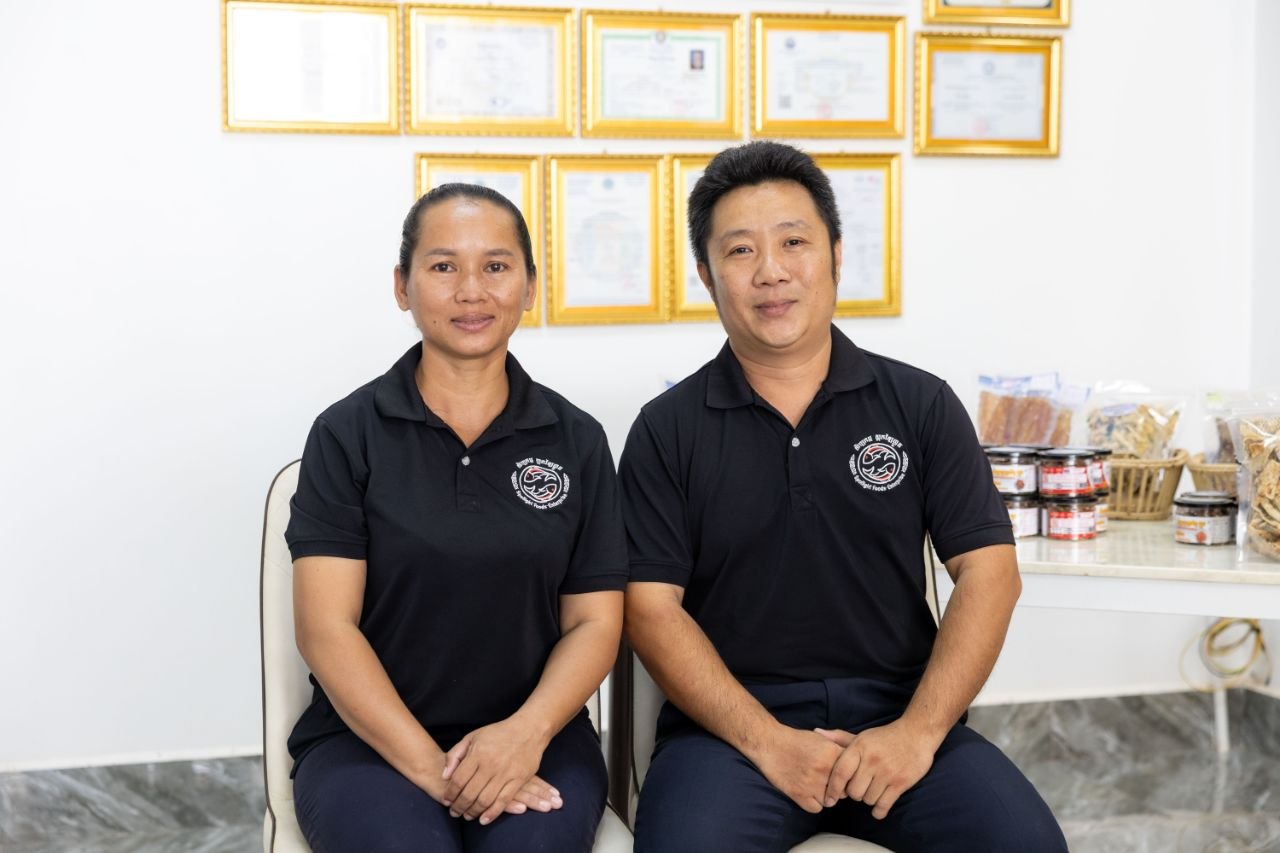
Mr. Po Eefa and Ms. Kim Sophors, co-founders of Spotlight Food Enterprise (Photo: provided by Spotlight Food Enterprise)

Since 2022, the Sasakawa Peace Foundation has been operating the “Cnai Accelerator Program” in Cambodia. This program is modeled after the Santhit Accelerator Program, which we developed and rolled out jointly with a Myanmar-based venture capital firm, Emerging Markets Entrepreneurs (EME) in 2021. Both programs incorporate the incubation curriculum of Village Capital, a globally renowned early-stage venture capital firm. 
  
“Cnai” – meaning “innovation” in Khmer – is a program which incorporates a gender lens, and is committed to creating an equitable learning environment where female entrepreneurs can participate on equal footing with male counterparts. Each phase entails the selection of a cohort of entrepreneurs, who receive funding and guidance towards the expansion of their businesses with ongoing support being provided by program partners. 

 Since the end of 2024, the program has been in its third phase. In addition to our initial partnership with ADB Frontier, we have collaborated with other partners such as Khmer Enterprise, a Cambodian government agency, Harvest III, USAID funded project (second cohort only), and CAPRED (Cambodia–Australia Partnership for Resilient Economic Development). These partnerships have further enhanced the community building capacity and overall strength of the curriculum.

This time, we interviewed Tailim Heang and Chanthy Thun, co-founders of Khema Nutrinut Co., Ltd—known under the brand name Tofee Nuts—one of the finalists of the 3rd Cnai Accelerator Program. 

Following the stories of finalists from the third cohort, this article features one of the finalists from the fourth cohort of the Cnai Accelerator Program. We spoke with Po Eefa and Kim Sophors, co-founders of Spotlight Food Enterprise, about their entrepreneurial journey, what they learned through Cnai, the challenges facing Cambodia’s fisheries sector, and their vision for the future.

A visit to a Cambodian market reveals rows of dried fish products displayed alongside fermented and salted fish. Dried fish is deeply embedded in Cambodian food culture and remains an important source of protein, particularly in rural communities. It is commonly grilled and served with rice, fried, stir-fried with vegetables, used to flavor soups, or mixed into chili pastes, making it a staple ingredient in everyday meals.

Founded in 2019, Spotlight Food Enterprise produces and sells dried fish products made from freshwater fish harvested from Tonle Sap Lake. Drawing on fish-processing knowledge passed down through three generations, the company creates products free from preservatives and artificial coloring while maintaining a strong commitment to food safety and quality. Spotlight Food is also working to strengthen food safety standards and quality control systems as it seeks to expand beyond the Cambodian market and enter international markets. In addition, the company contributes to local community development through partnerships with women engaged in fisheries and aquaculture around Tonle Sap Lake.

In this interview, the husband-and-wife team behind Spotlight Food shares the inspiration behind the business, their experiences in the CNAI Accelerator Program, the challenges facing Cambodia’s fisheries sector, and their aspirations for future growth.
 

―― What inspired you to establish Spotlight Food Enterprise?

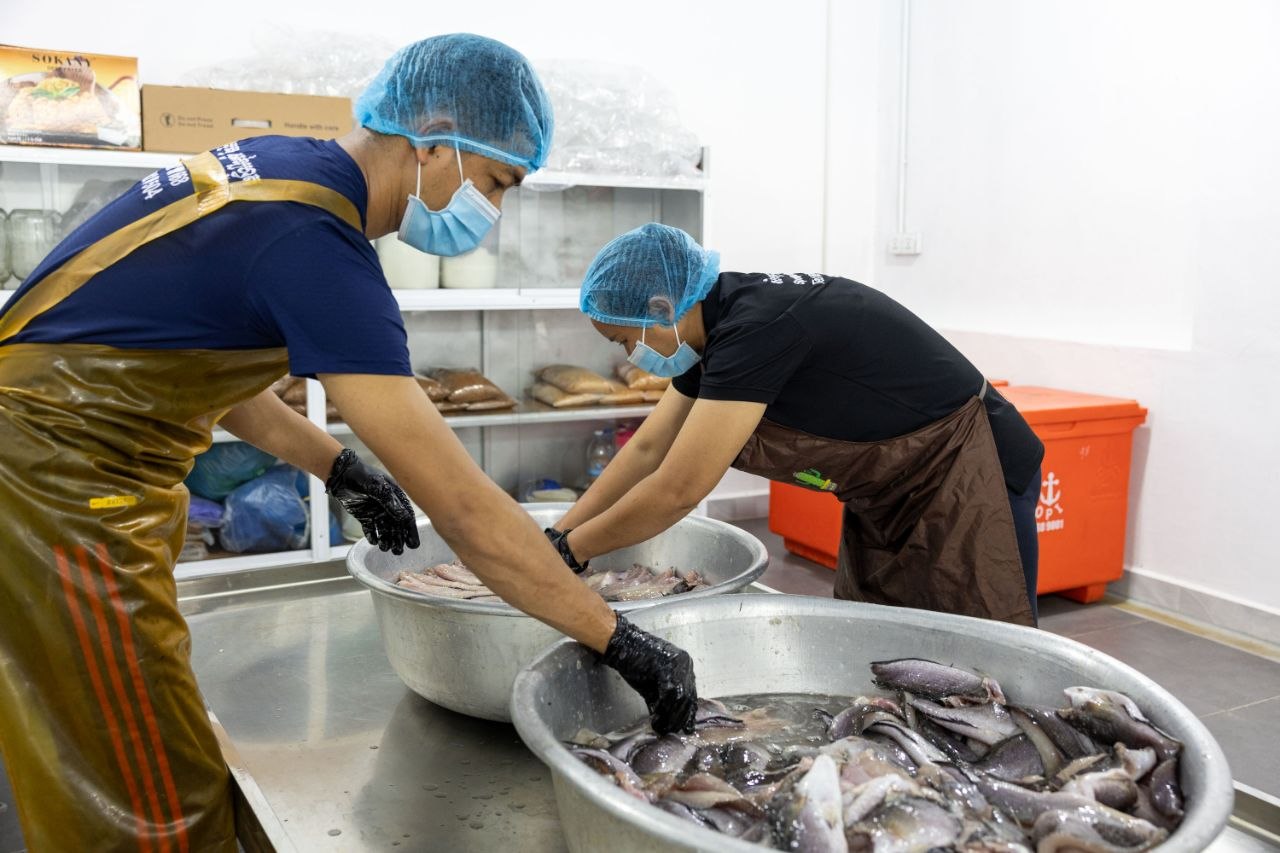
Factory employees at the company's manufacturing facility (Photo: provided by Spotlight Food Enterprise)

Before starting the business, I worked at a bank, while my wife, Sophors, was employed at an internet-related company. However, her family had been producing dried fish since her grandmother’s generation, and we became increasingly determined to preserve and pass this tradition on to future generations.

The fisheries sector is often regarded as a high-risk industry due to the challenges of maintaining freshness. Without proper preservation, fish are often sold at very low prices. We believed that by applying appropriate processing techniques and quality control measures, we could increase the value of fish and create higher-value products. At the same time, we wanted to contribute to improving the livelihoods of local fishers. With these goals in mind, we established Spotlight Food in 2019.

Today, Eefa oversees documentation and quality management, while Sophors leads production operations. By combining our respective experiences and strengths, we are working to integrate traditional fish-processing knowledge with modern quality management practices.
 

―― How did you come to participate in the Cnai Accelerator Program, and what have been some of the most valuable lessons you have learned?

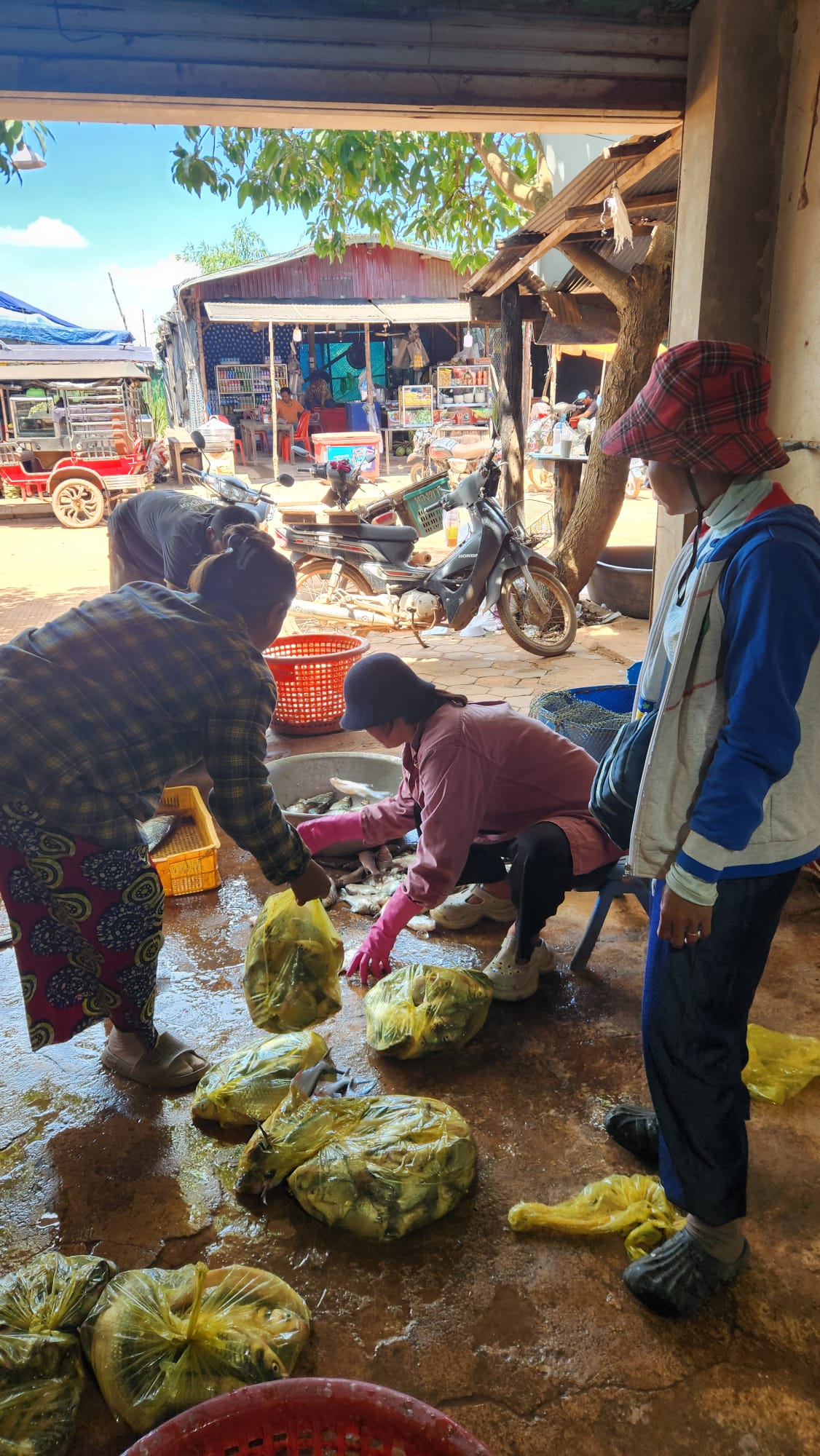
Women fish vendors at a market on Tonle Sap Lake

We decided to apply after being introduced to the program by VC Sausage, a company based in Battambang that is also participating in this year's Cnai program and was selected as one of the seven finalists.

What attracted us to Cnai was that it offered much more than grant funding. Many support programs focus primarily on providing financial assistance, with limited guidance on how businesses can effectively use those resources to grow. In contrast, Cnai provides training, mentoring, and hands-on support, helping entrepreneurs strengthen their businesses in a holistic way.

Our experience has exceeded expectations. While we had previously attended food safety training programs, we had never had the opportunity to systematically learn about business management topics such as marketing, sales, team management, and business strategy. Through Cnai, we have been able to build knowledge across a wide range of areas, from business fundamentals to practical implementation.

The program is not easy. There are many assignments and learning activities that require significant effort. However, since the lectures and materials are available online, businesses like ours that operate outside major cities can participate without difficulty. We often revisit the recorded sessions to deepen our understanding and apply what we learn to our daily operations.

―― Cnai places a strong emphasis on gender perspectives. Have you learned anything new in this area?

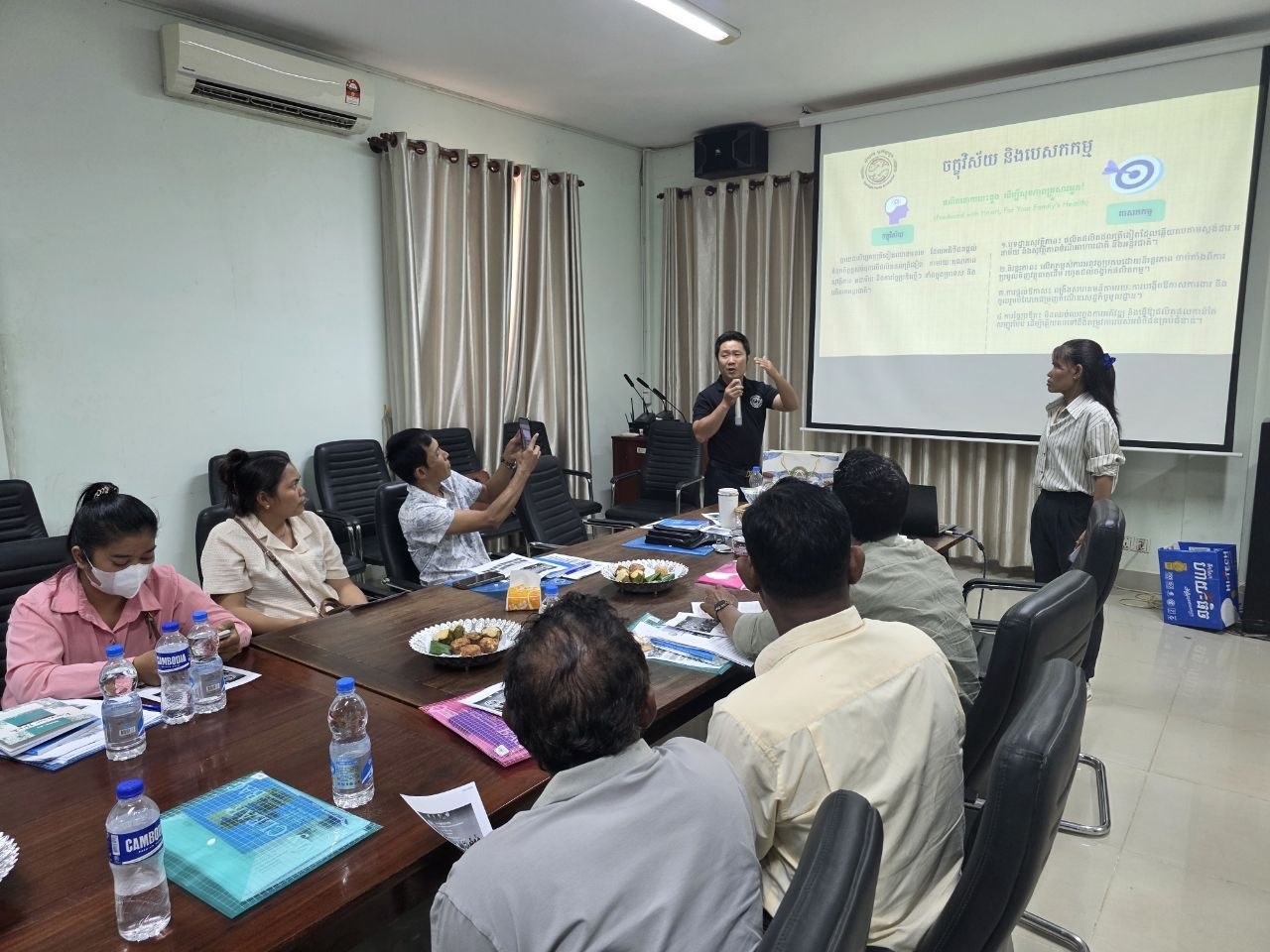
Eefa conducts training on food safety and hygiene management for fisheries stakeholders (Photo: provided by Spotlight Food Enterprise)

To be honest, we had given very little thought to topics such as gender and environmental sustainability before joining Cnai. Everything we know about these issues today has come through the program.

One of the most memorable experiences was attending a lecture on gender and workplace practices delivered by Professor Kasumi Nakagawa of Pannasastra University. The session had a significant impact on our organization. Immediately afterward, we developed and introduced an anti-harassment policy and established formal maternity leave regulations within our company. These measures have helped us create a more inclusive and supportive workplace for our employees.

We currently employ six staff members, with a nearly equal balance of men and women. One of our female employees recently gave birth and is currently on maternity leave while continuing to receive her salary. Beginning this year, we also plan to introduce annual health checkups for all employees. While these initiatives increase business costs, we believe they contribute to greater employee satisfaction and a stronger sense of well-being.

Our business is also deeply connected to the local community. I visit the Tonle Sap Lake area at least once a month and meet directly with producers. Some of these relationships date back to my wife's grandmother's generation, while others are new partnerships. By offering stable purchasing agreements, we help producers secure reliable markets for their products and improve their livelihoods. In the past, fish that could not be sold on the same day often had to be sold at heavily discounted prices. Today, sales can be planned more strategically.

We currently partner with eight aquaculture and fishing households around Tonle Sap Lake, most of which are led by women. Approximately 80 percent of the fresh fish we use is sourced from these households. Through stable purchasing agreements, we support women’s income generation and economic empowerment while also contributing to local economic development.

In addition, we have provided food safety and hygiene training for 25 women fishers and suppliers. These sessions cover topics such as proper storage techniques, maintaining nutritional value, and hygiene standards. Through these efforts, we are helping build a sustainable supply chain capable of meeting international food safety requirements.

Our efforts have also been recognized by the Fisheries Administration, which selected Spotlight Food Enterprise as a Lead Trainer to share practical knowledge and experience with local fishers and fish collection enterprises. Through training courses and workshops, we provide guidance on maintaining high standards of food safety and hygiene, managing product quality from harvest to consumption, and increasing the value of local fisheries products. By sharing these skills and experiences, we hope to contribute to community development and support the sustainable growth of Cambodia’s fisheries sector.

Before joining Cnai, we rarely thought about gender issues or creating a more inclusive workplace. By putting what we have learned into practice, we have come to realize that these efforts have positive impacts not only on our employees but also on our suppliers and the wider community.

―― How has your interaction with other Cnai participants benefited your business?

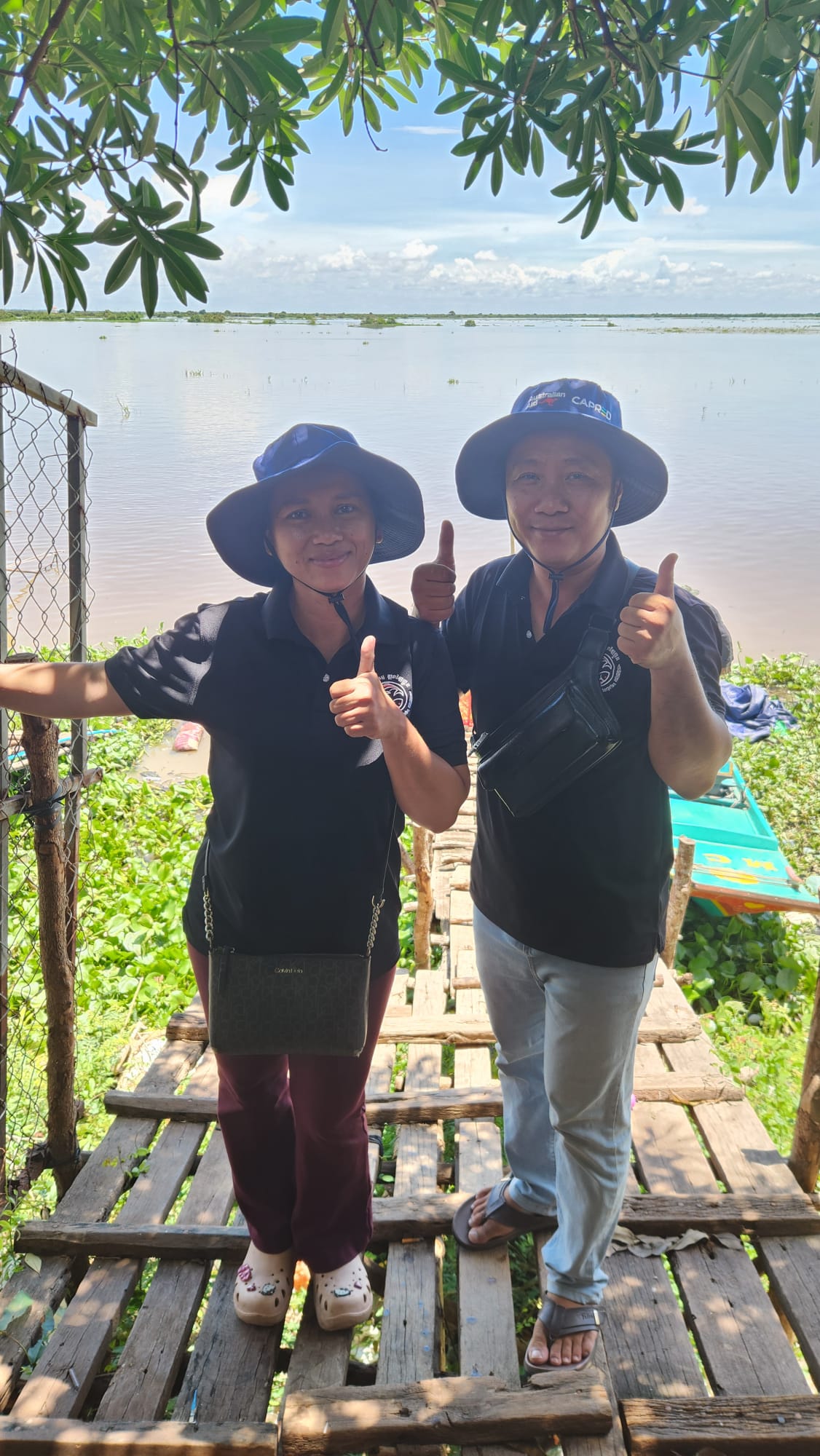
Sophors and Eefa standing in front of Tonle Sap Lake.

Through Cnai, we established a valuable relationship with Neaty Food Solution, another finalist company that provides quality management and certification support services for food-processing businesses.

As we aspire to export our products internationally, obtaining certifications such as GMP (Good Manufacturing Practices) and HACCP (Hazard Analysis and Critical Control Points) is essential. Neaty Food Solution has been supporting us through consulting services, including reviewing our factory layout, recommending necessary equipment, and providing employee training.

For example, we have introduced quality-control equipment such as moisture meters and salinity meters to strengthen production management. In particular, using a Japanese-made salinity meter has helped us maintain more consistent product quality and reduce variations between batches.

―― What are the next steps for Spotlight Food Enterprise?

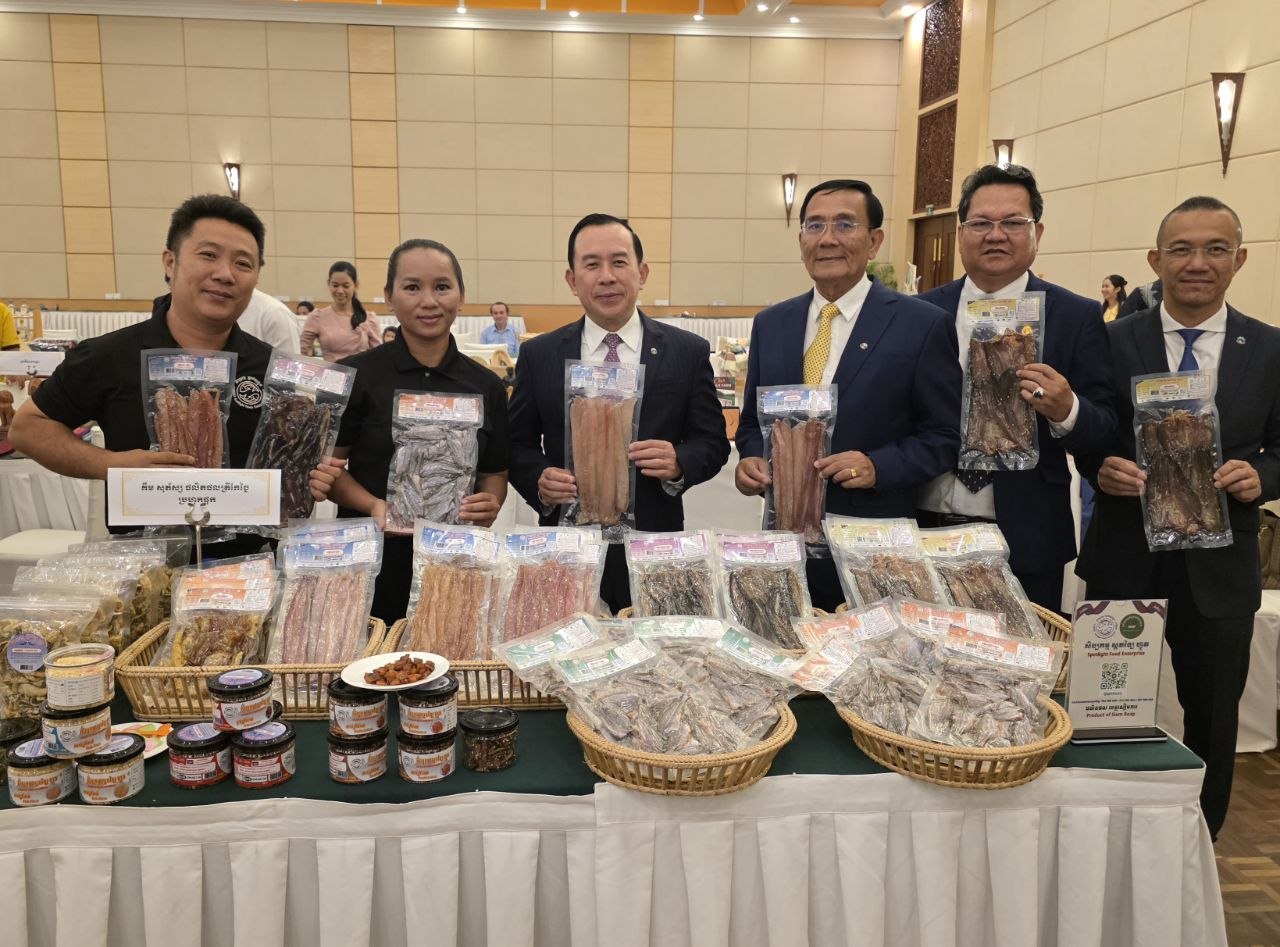
Sophors and Eefa attending event to promote their products (Photo: provided by Spotlight Food Enterprise)

We are currently working with Cambodia’s Ministry of Commerce and the Cambodia Chamber of Commerce to obtain GMP and HACCP certifications. These certifications will allow us not only to expand into the domestic hotel market but also to enter international export markets.

The certification process requires extensive documentation, facility improvements, and internal system development, making it a challenging undertaking. Nevertheless, we view it as a critical investment in our future growth.

We also hope to leverage export promotion programs offered by the Mekong River Commission (MRC) to expand into other countries across the Mekong region. In addition, through the Cambodia Chamber of Commerce network, we are exploring opportunities in markets such as Australia, Singapore, and Canada.

Our ambitions extend beyond growing our own business. We aim to expand training opportunities for fishers and aquaculture producers around Tonle Sap Lake, sharing knowledge related to quality management and food safety. In doing so, we hope to contribute to the overall improvement and sustainable development of Cambodia’s fisheries sector.

At the same time, we are committed to preserving Cambodia’s traditional fish-processing culture while creating products that can compete in international markets. Ultimately, our goal is to ensure that the benefits of our growth are shared with local producers and communities, allowing us to prosper together.

―― Editor's Postscript

During our visit, we had the opportunity to observe fishing operations on Tonle Sap Lake, local fish markets, and women engaged in aquaculture activities. While it was clear that many fishers continue to face challenges related to cold-chain management, equipment shortages, and difficult living conditions, we were equally struck by their determination to build sustainable livelihoods based on the lake’s abundant natural resources.

Against this backdrop, Eefa and Sophors are working to improve local livelihoods through training programs for women fishers and stable purchasing agreements. While Sophors’s mother and grandmother once produced small quantities of dried fish for sale in local markets, the family business has grown significantly and now supplies major retailers such as Lucky Supermarket, while also exploring opportunities in overseas markets.

Being selected as a finalist in the Cnai Accelerator Program was a source of great pride for the family and a recognition of the journey they have undertaken.

Spotlight Food’s story is about much more than the growth of a food-processing company. Through its contributions to fisheries development, women’s economic empowerment, and the creation of sustainable supply chains, the company is helping shape the future of the Tonle Sap Lake region. By preserving traditional fish-processing knowledge while striving to meet international quality standards, Spotlight Food demonstrates the potential of locally rooted entrepreneurship to create lasting social impact. Its journey is one that deserves continued attention in the years ahead.


Social Innovation Program
Share

Related Articles

Latest News

Social Innovation Program

Event Report: Impact Measurement and Management (IMM) for Gender Lens Investing (GLI)

2X Global, Brightlight Group, and the Sasakawa Peace Foundation hosted an Impact Measurement & Management (IMM) workshop designed for LPs and GPs to dive deeper into the IMM for gender lens investing and GLI+ strategy. We explored ways to build a GLI IMM framework, including designing and framing, integrating gender lens into the investment process, impact rating and risk analysis, manager engagement, and reporting.

March 25, 2024
Social Innovation Program

Event Report: Mainstreaming Gender Lens Investing in Northeast Asia

Gender Lens Investing (GLI), which evaluates potential value and risk while consciously incorporating a gender perspective into investment decisions, is gaining traction around the world as a ‘smart investment technique.’ Even investors who are not familiar with impact investing are starting to explore the potential of GLI. On the other hand, GLI is relatively underdeveloped in the Northeast Asia region.

January 11, 2023
Social Innovation Program

Event Report: Building Back Better by Empowering Women Entrepreneurs

Women entrepreneurs are reportedly finding it more difficult to access marketplaces and funding as a result of the Covid-19 pandemic. What kind of help does "Building Back Better" require from entrepreneur support organizations and investors for women entrepreneurs?

January 11, 2023
Browse Latest News

pagetop

Video Title

Footer

Sasakawa Peace Foundation

  • About SPF
  • News
  • Experts
  • Events
  • Programs
  • Access
  • Research & Analysis
  • Contact Us

Latest Updates

Receive regular updates about news, events, and research from the Sasakawa Peace Foundation

Sign Up to Our Newsletter

Satellite Sites

  • From the Oceans
  • The Friends of WMU Japan
  • Asia Women Impact Fund
  • Insights into Japan–U.S. Relations
  • International Information Network Analysis (IINA)
  • The OPRI Center of Island Studies
  • Asia Peacebuilding Initiatives (APBI)
  • History of the Sasakawa Japan-China Friendship Program (Japanese language)
  • Japan-China Relations Data Graph (Japanese language)
  • Third Pole Project
  • PRIVACY POLICY
  • SITE POLICY
  • SOCIAL MEDIA POLICY
  • SITE MAP
  • WEB ACCESSIBILITY POLICY

Copyright © 2021 The Sasakawa Peace Foundation. All Rights Reserved.