Sasakawa Peace Foundation

日本語
  • About SPF
    • About Us
      • About Us
      • History
      • Program Policy and Five Priority Goals
      • Board Members
      • Diversity and Inclusion
      • Financial Position
      • Honorary Chair's Message Archive
      • Activities Before 2017
    • President's Message
    • Integrated Report
    • Access
    • Idea Submission
    • Careers
    • Contact Us
  • Experts
  • Programs
    • Japan-U.S. and Security Studies Unit
    • General Affairs and Networking Program
    • National Security and Japan-U.S. Program
    • Strategy and Deterrence Program
    • Asia Unit
    • Strategic Dialogue and Human Resource Development Program
    • Peacebuilding Program
    • Sasakawa Japan-China Friendship Program
    • West Asia and Islam Unit
    • West Asia and Islam Program
    • Social Innovation Program
    • Ocean Policy Research Institute
    • Division of Ocean Vision and Action
    • Division of Island Nations
    • Scholarship Unit
    • Sasakawa Scholarship Program
    • Center for Mediation Support
    • Center for Mediation Support
  • Research & Analysis
    • Reports and Publications
    • Essays and Commentary
    • SPF Now Interviews
    • Videos
    • Podcasts
    • Browse by Regions
    • Regions
    • Americas
    • Northeast Asia
    • Southeast Asia
    • South Asia
    • Middle East
    • Oceania
    • Europe and Eurasia
    • Arctic
    • Africa
    • Satellite Sites
    • International Information Network Analysis
    • SPF China Observer
    • Asia Women Impact Fund
    • The OPRI Center of Island Studies
    • The Friends of WMU, Japan
    • SPF Insights into Japan–U.S. Relations
    • From the Oceans
    • Asia Peacebuilding Initiatives (APBI)
    • History of the Sasakawa Japan-China Friendship Program
      (Japanese language)
    • Japan-China Relations Data Graph (Japanese language)
    • Third Pole Project
  • News
    • News
    • Press Releases
    • SPF Newsletter
    • Media Coverage
  • Events
General Affairs and Networking Program

Event Report: Japanese Parliamentarians Discuss Youth Mental Health as a Shared Challenge in Japan and the United States

May 14, 2026
3 Min. Read
March 11 study session

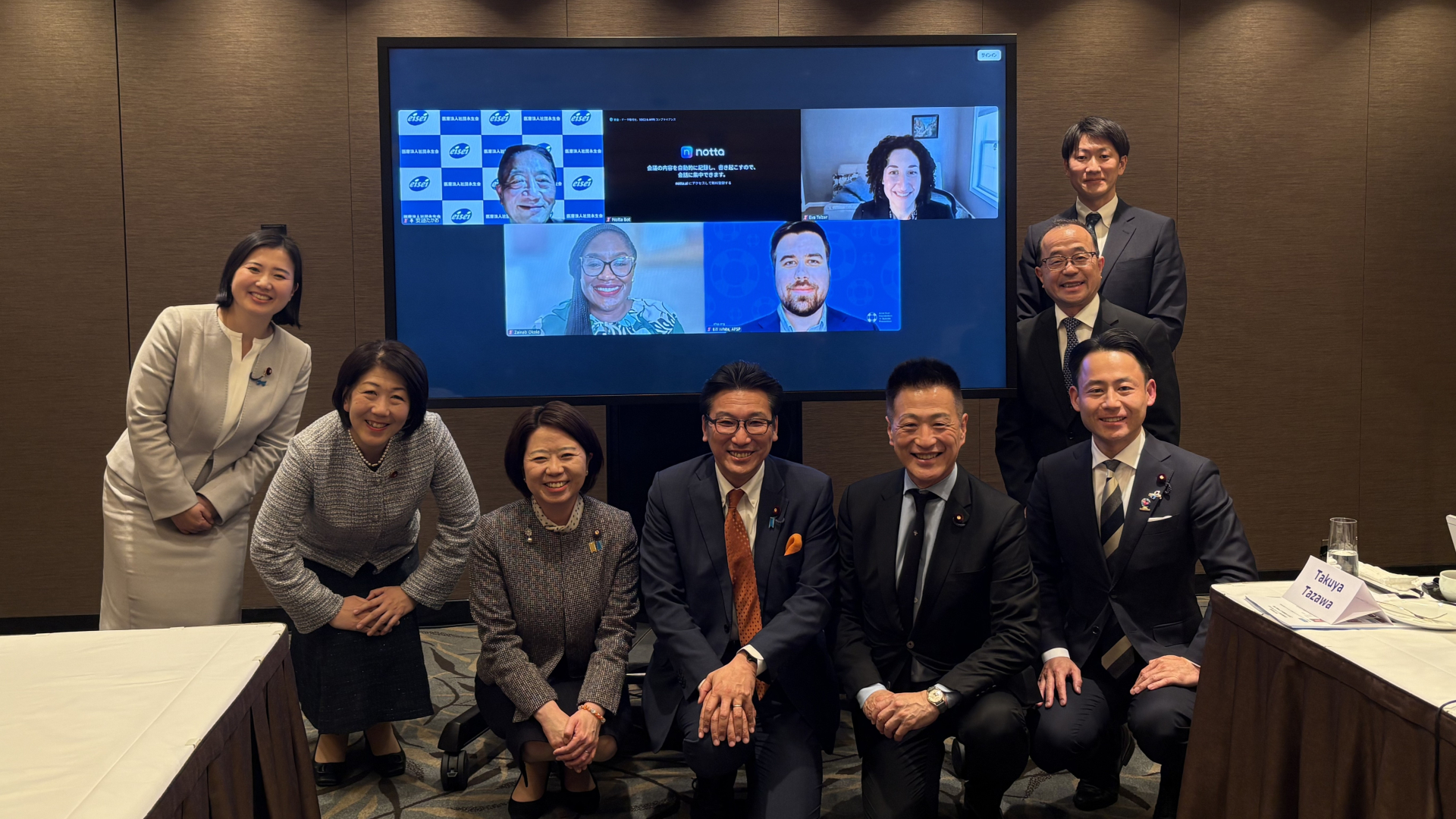
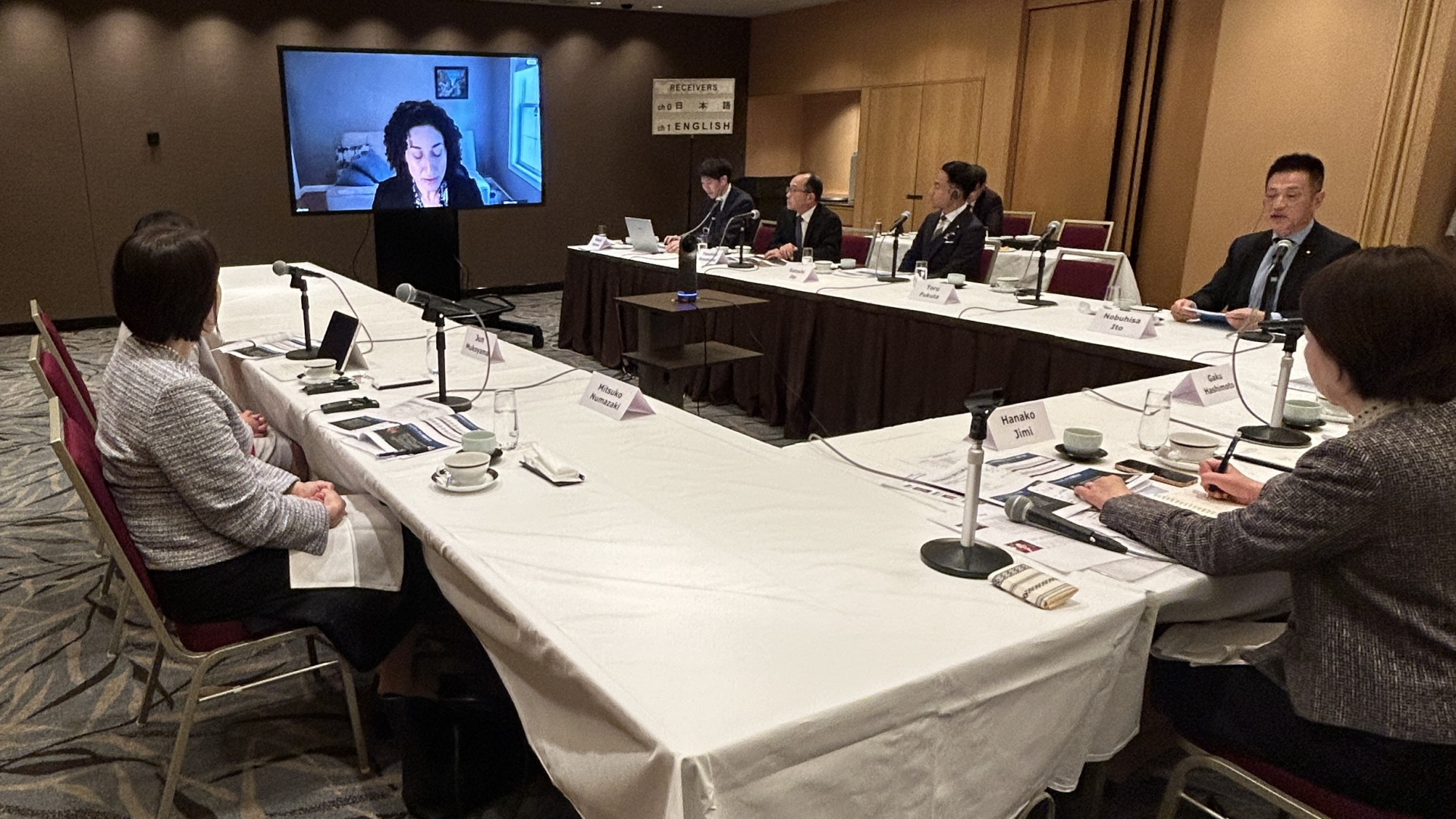
The Sasakawa Peace Foundation held a study session for members of the National Diet on March 11, 2026, focusing on youth mental health.
 
The session was conducted as part of an initiative aimed at advancing Japan-U.S. legislative dialogue on youth mental health, a social challenge shared by both countries. Looking ahead, the initiative aims to leverage such dialogue as a foundation for building face-to-face relationships among lawmakers, thereby fostering long-term connections grounded in mutual understanding and trust, and ultimately strengthening legislative networks between Japan and the United States.
 
The session was attended by cross-party members of the National Diet, including Hon. Hanako Jimi from the House of Councillors. From the United States, Dr. Mitch Prinstein (Professor at the University of North Carolina at Chapel Hill and former Chief of Psychology Strategy and Integration at the American Psychological Association) and Dr. Eva Telzer (Professor at the University of North Carolina at Chapel Hill) participated online. They presented the latest research findings and policy perspectives related to youth mental health.
 
During the discussion, participants exchanged views on the characteristics of brain development in children and adolescents, as well as the impact of digital environments, including social media and artificial intelligence, on mental health.
 
In particular, the discussion focused on the relationship between developmental stages and the design and use of digital technologies.
 
Key points included:

  • Adolescence is a period marked by heightened sensitivity to social evaluation and peer approval, while brain functions responsible for impulse control and decision-making are still developing
  • Features such as "likes," notifications, and algorithm-driven content delivery may influence self-esteem, anxiety levels, and social comparison
  • Digital device use can affect sleep and daily life, posing risks of excessive or addictive use
  • At the same time, digital technologies offer positive benefits, such as supporting learning and alleviating social isolation
  • Efforts are underway to develop safer social media platforms with enhanced privacy protections

 
Although institutional frameworks and social contexts differ between the two countries, participants noted that many challenges surrounding youth mental health are shared. The session underscored the importance of addressing these issues from a cross-national perspective and helped build momentum for future legislative dialogue between Japan and the United States.
General Affairs and Networking Program
Share

Related Articles

Latest News

News

Event Report: Japanese Parliamentarians Discuss Youth Mental Health as a Shared Challenge in Japan and the United States

On March 11, 2026, a study session for members of the National Diet was held on the theme of youth mental health. Cross-party members of the Diet and experts from the U.S. participated in the session. They shared insights on topics such as the impact of the digital environment on young people and deepened their awareness of the challenges in preparation for future legislative dialogue between the two countries.

May 14, 2026
Accepting Applications

SPF-APSA Congressional Fellowship Program

Since 2022, the Sasakawa Peace Foundation (SPF) has offered the SPF-APSA Congressional Fellowship Program to nurture professionals with strong expertise in U.S. politics and U.S.-Japan relations.

November 13, 2025
Essays and Commentary

IINA: 【Cooperation Between European and Indo-Pacific Powers in the U.S. alliance system project: Policy Paper Vol. 9】 Enhancing Euro-Atlantic and Indo-Pacific Theater Cooperation: What Is NATO’s Role?

The NATO alliance is adapting to operate effectively in a complex, contested and unpredictable security environment characterized by strategic competition, persistent contestation across the peace-crisis-conflict continuum and pervasive instability. To ensure the security and defense of Allies, NATO needs to be able to credibly tackle multiple, global and interconnected threats and challenges and to account for the impact that conflict, crises and instability in other regions of the world could have on the Euro-Atlantic, its area of responsibility.

March 28, 2025
Browse Latest News

pagetop

Video Title

Footer

Sasakawa Peace Foundation

  • About SPF
  • News
  • Experts
  • Events
  • Programs
  • Access
  • Research & Analysis
  • Contact Us

Latest Updates

Receive regular updates about news, events, and research from the Sasakawa Peace Foundation

Sign Up to Our Newsletter

Satellite Sites

  • From the Oceans
  • The Friends of WMU Japan
  • Asia Women Impact Fund
  • Insights into Japan–U.S. Relations
  • International Information Network Analysis (IINA)
  • The OPRI Center of Island Studies
  • SPF China Observer
  • Asia Peacebuilding Initiatives (APBI)
  • History of the Sasakawa Japan-China Friendship Program (Japanese language)
  • Japan-China Relations Data Graph (Japanese language)
  • Third Pole Project
  • PRIVACY POLICY
  • SITE POLICY
  • SOCIAL MEDIA POLICY
  • SITE MAP
  • WEB ACCESSIBILITY POLICY

Copyright © 2021 The Sasakawa Peace Foundation. All Rights Reserved.