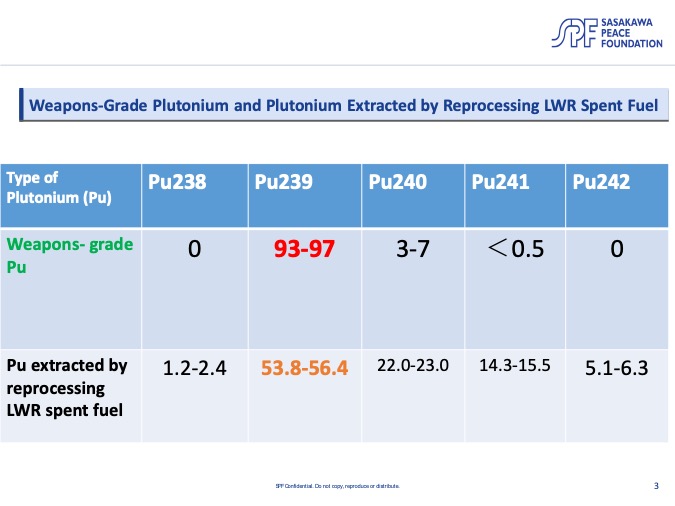
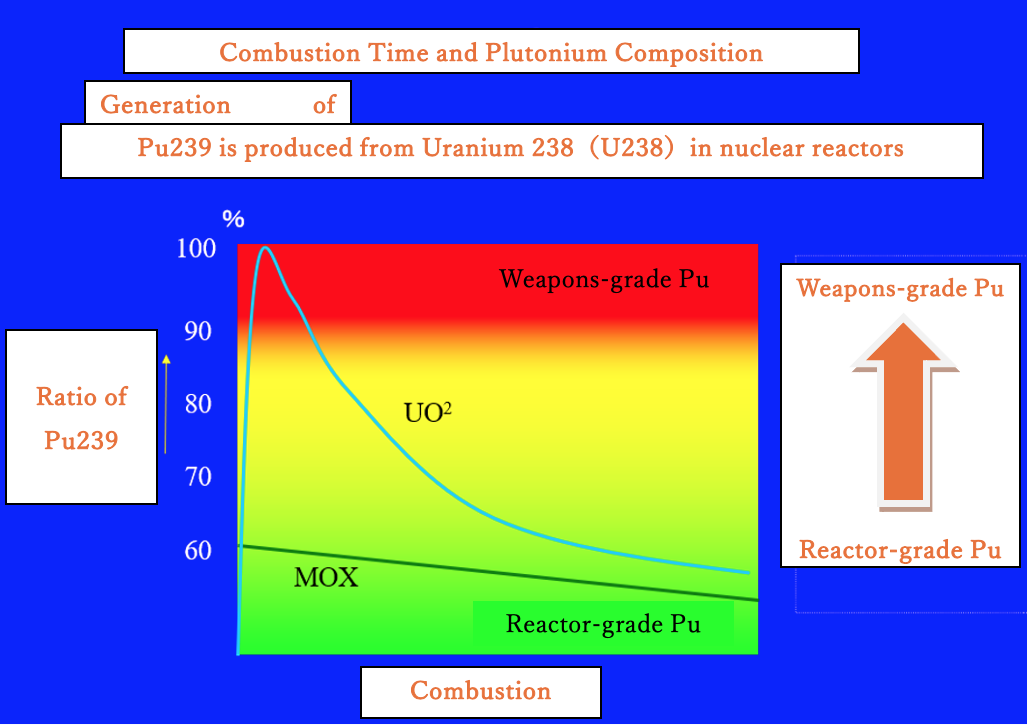
Nuclear armament using plutonium extracted from LWR spent fuel not only damages the detonator due to the presence of heat-emitting isotopes, but also runs the risk of self-destruction, so this process is barred by many restrictions, such as the difficulty of assembling. There are also many technical issues in producing weapons-grade plutonium from LWR fuel. For example, this will require pulling out still combustible fuel, which runs the risk of massive leakage of radioactive substances. If despite such obstacles, North Korea still intends to extract plutonium from LWRs for military purposes, the international community needs to investigate the underlying reasons.
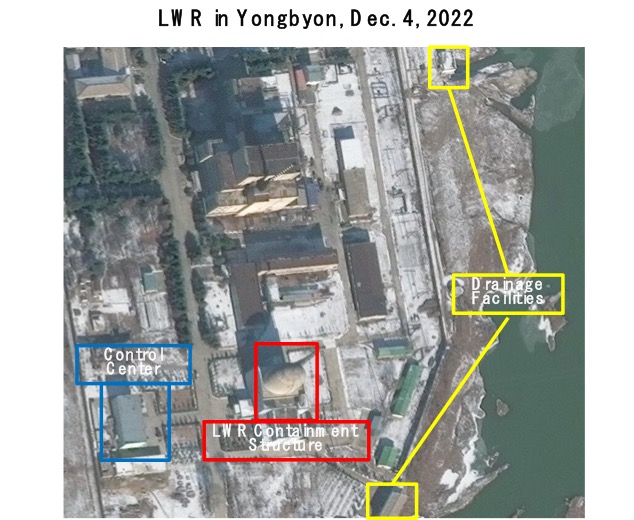
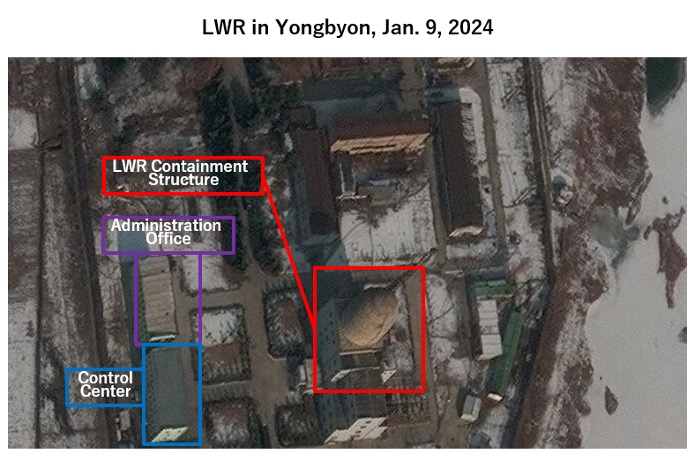
First, it is possible that North Korea wants to accelerate the nuclear arms race. SIPRI Yearbook 2023 published by the Stockholm International Peace Research Institute estimates that North Korea has 30 nuclear warheads. It is possible that in addition to graphite reactors, it wants to upgrade its capacity to produce nuclear warheads by using LWRs to extract plutonium. Second, the operation of its graphite reactors is reaching their limit. The construction of the nuclear facilities in Yongbyon started in the 1960s, and the graphite reactors were built in the 1980s with the cooperation of the former Soviet Union.[5] It is possible that North Korea is experimenting with extracting plutonium with LWRs to replace the graphite reactors in anticipation of the reduced capacity or termination of plutonium production after these reactors have been in operation for nearly 40 years. In any case, it is necessary to closely watch developments from now on, discern North Korea's intent, and consider responses.
Considering LWRs are the dominant type of reactor in the world at present, the events in Yongbyon raise questions about the peaceful use of atomic energy. The fact that nuclear armament with plutonium derived from LWRs cannot be ruled out means that the peaceful use of atomic energy can only be guaranteed if the inspection regime of IAEA, the nuclear watchdog, thoroughly covers all countries of the world. With more and more countries expected to introduce new LWRs as part of their effort to deal with climate change, how will the IAEA enhance its inspection regime? How should the international community cooperate to increase its budget and manpower?
Japan is a country authorized to extract plutonium by reprocessing spent fuel for reuse in nuclear reactors. It has a history of fully cooperating with IAEA in the establishment of monitoring technology and inspection of nuclear facilities. It has great potential to contribute to the international community in guaranteeing the peaceful use of nuclear energy.