Sasakawa Peace Foundation

日本語
  • About SPF
    • About Us
      • About Us
      • History
      • Program Policy and Five Priority Goals
      • Board Members
      • Diversity and Inclusion
      • Financial Position
      • Honorary Chair's Message Archive
      • Activities Before 2017
    • President's Message
    • Integrated Report
    • Access
    • Idea Submission
    • Careers
    • Contact Us
  • Experts
  • Programs
    • Japan-U.S. and Security Studies Unit
    • General Affairs and Networking Program
    • National Security and Japan-U.S. Program
    • Strategy and Deterrence Program
    • Asia Unit
    • Strategic Dialogue and Human Resource Development Program
    • Peacebuilding Program
    • Sasakawa Japan-China Friendship Program
    • West Asia and Islam Unit
    • West Asia and Islam Program
    • Social Innovation Program
    • Ocean Policy Research Institute
    • Division of Ocean Vision and Action
    • Division of Island Nations
    • Scholarship Unit
    • Sasakawa Scholarship Program
    • Center for Mediation Support
    • Center for Mediation Support
  • Research & Analysis
    • Reports and Publications
    • Essays and Commentary
    • SPF Now Interviews
    • Videos
    • Podcasts
    • Browse by Regions
    • Regions
    • Americas
    • Northeast Asia
    • Southeast Asia
    • South Asia
    • Middle East
    • Oceania
    • Europe and Eurasia
    • Arctic
    • Africa
    • Satellite Sites
    • International Information Network Analysis
    • SPF China Observer
    • Asia Women Impact Fund
    • The OPRI Center of Island Studies
    • The Friends of WMU, Japan
    • SPF Insights into Japan–U.S. Relations
    • From the Oceans
    • Asia Peacebuilding Initiatives (APBI)
    • History of the Sasakawa Japan-China Friendship Program
      (Japanese language)
    • Japan-China Relations Data Graph (Japanese language)
    • Third Pole Project
  • News
    • News
    • Press Releases
    • SPF Newsletter
    • Media Coverage
  • Events

Introducing SPF Reports on the Rohingya Refugee Crisis

By Sasakawa Peace Foundation and Independent University Bangladesh


December 4, 2025
The Rohingya refugee crisis, now in its eighth year, represents one of the world’s most protracted humanitarian emergencies. With over 1.1 million stateless Rohingyas sheltering in Bangladesh—primarily in Cox’s Bazar and Bhasan Char—the crisis has evolved beyond a humanitarian issue into a multidimensional challenge involving regional security, diplomatic deadlock, and livelihood vulnerabilities.
To address these complexities, the Sasakawa Peace Foundation (SPF) has published two key reports:

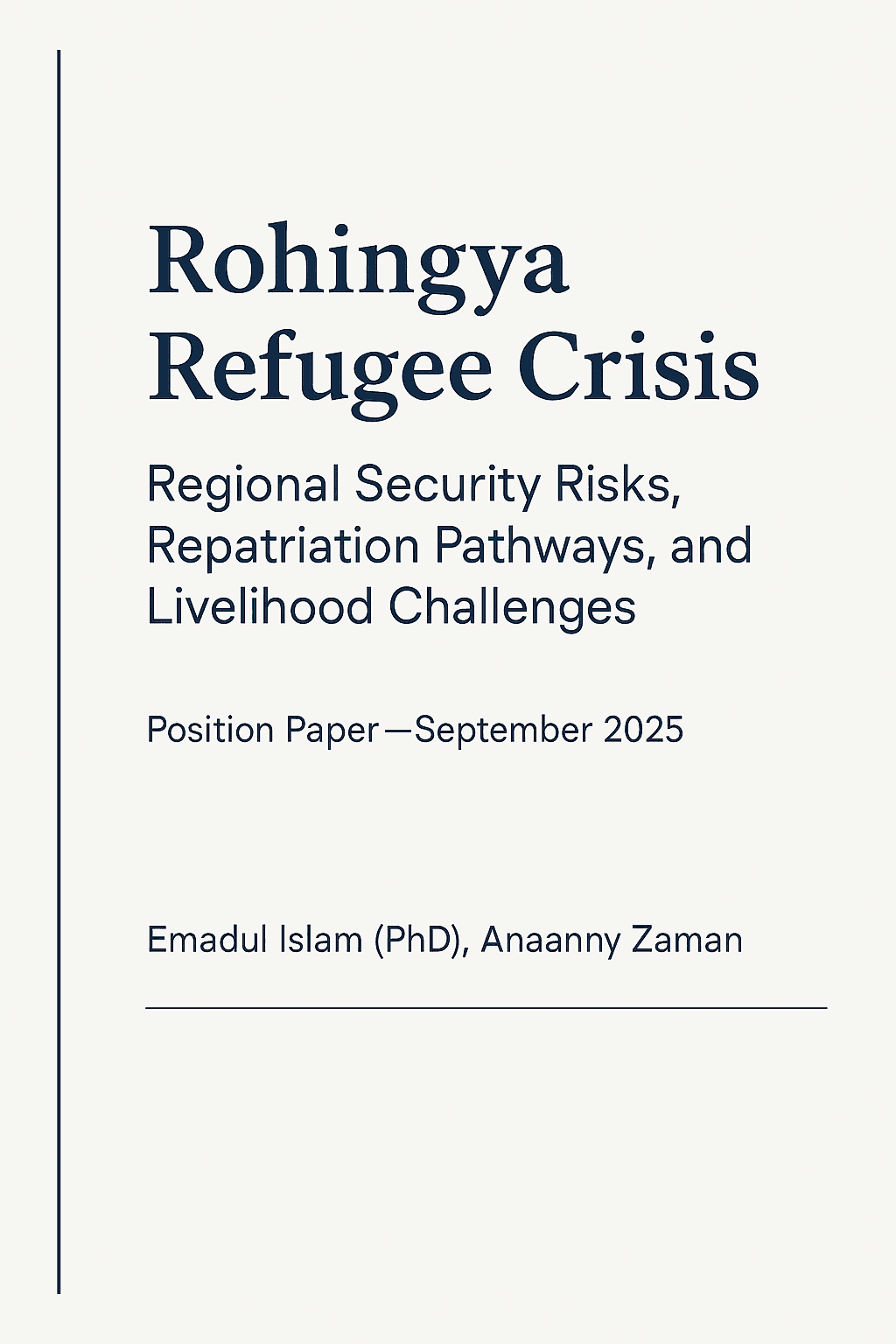
Position Paper

Rohingya Refugee Crisis—Regional Security Risks, Repatriation Pathways, and Livelihood Challenges

This paper analyzes the historical roots and current dynamics of the crisis, presenting comprehensive policy recommendations on regional cooperation, justice mechanisms, and ICT-driven livelihood solutions.

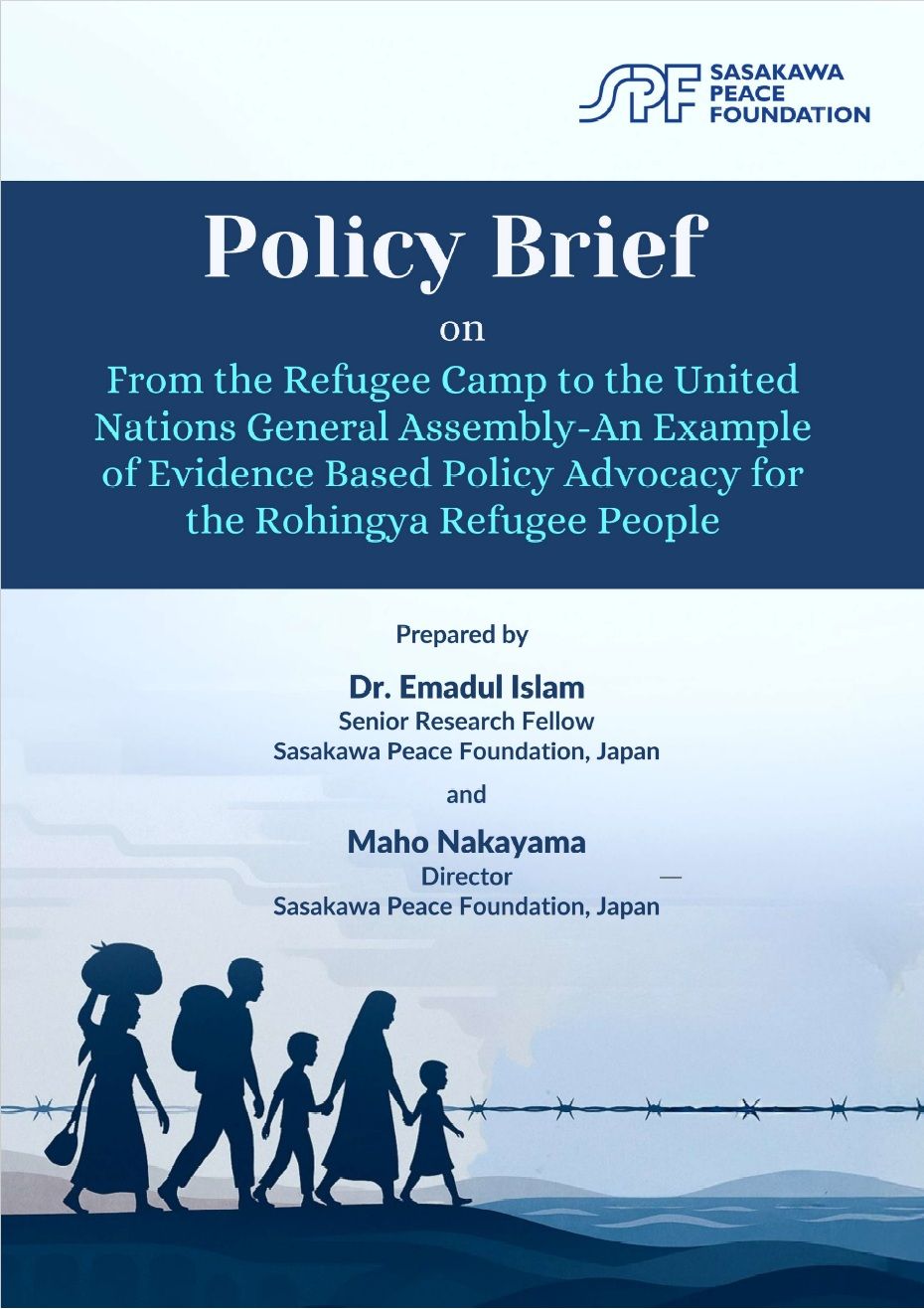
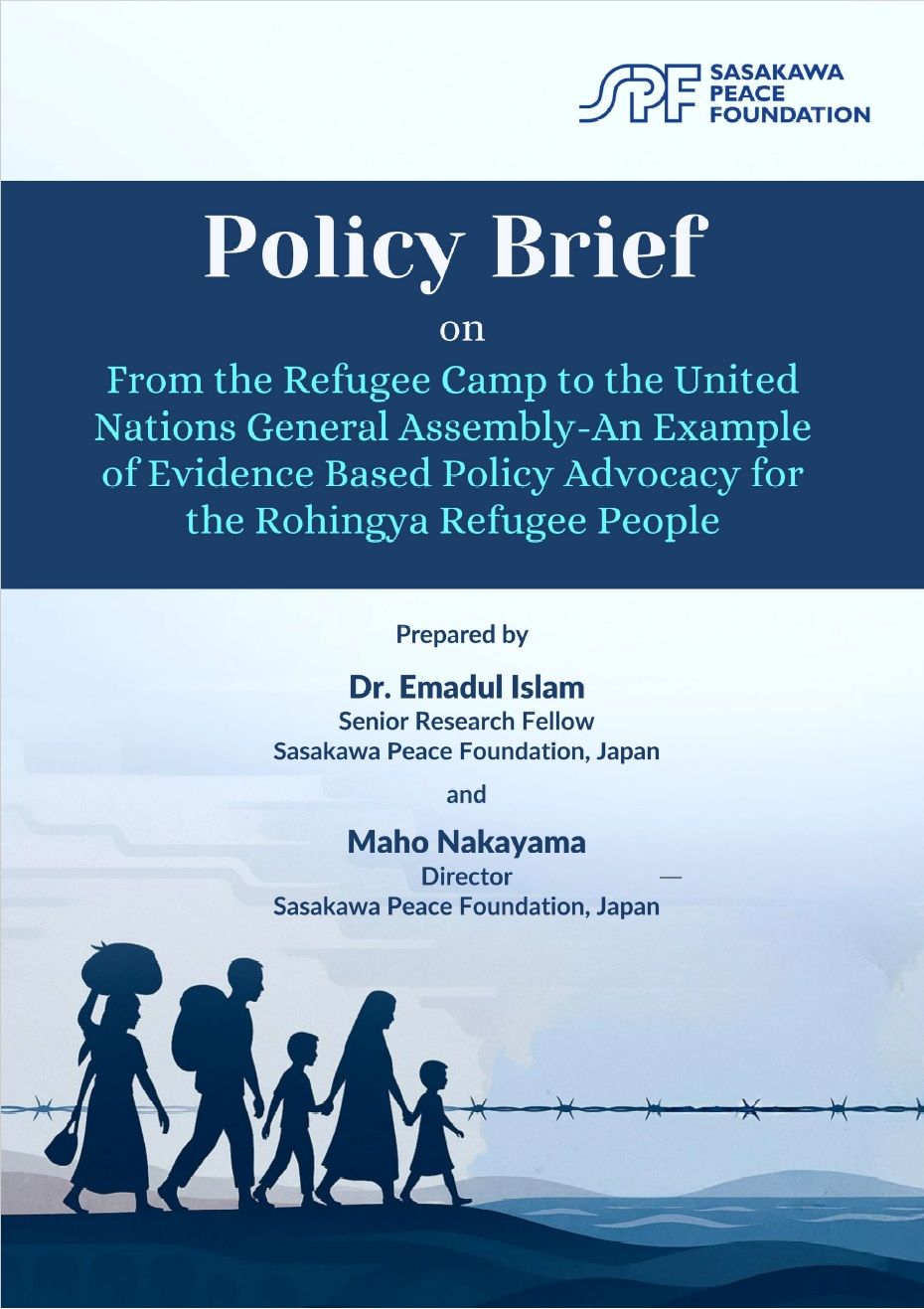
Policy Brief

From the Refugee Camp to the United Nations General Assembly—An Example of Evidence-Based Advocacy for the Rohingya People

Based on field research and international dialogues (including the UN General Assembly and the Bengal Delta Conference), this brief highlights SPF's role in shaping global policy discussions.
Both reports emphasize four core policy pillars:
  1. Addressing Regional Security Risks
  2. Ensuring Safe and Dignified Repatriation
  3. Leveraging ICT and Livelihood Support for Sustainable Solutions
  4. Embedding Justice and Accountability
SPF connects on-the-ground research with high-level advocacy to foster cooperation and long-term stability for the Rohingya people and host communities.

Share
Download the PDF
Download the PDF

Recent Publications

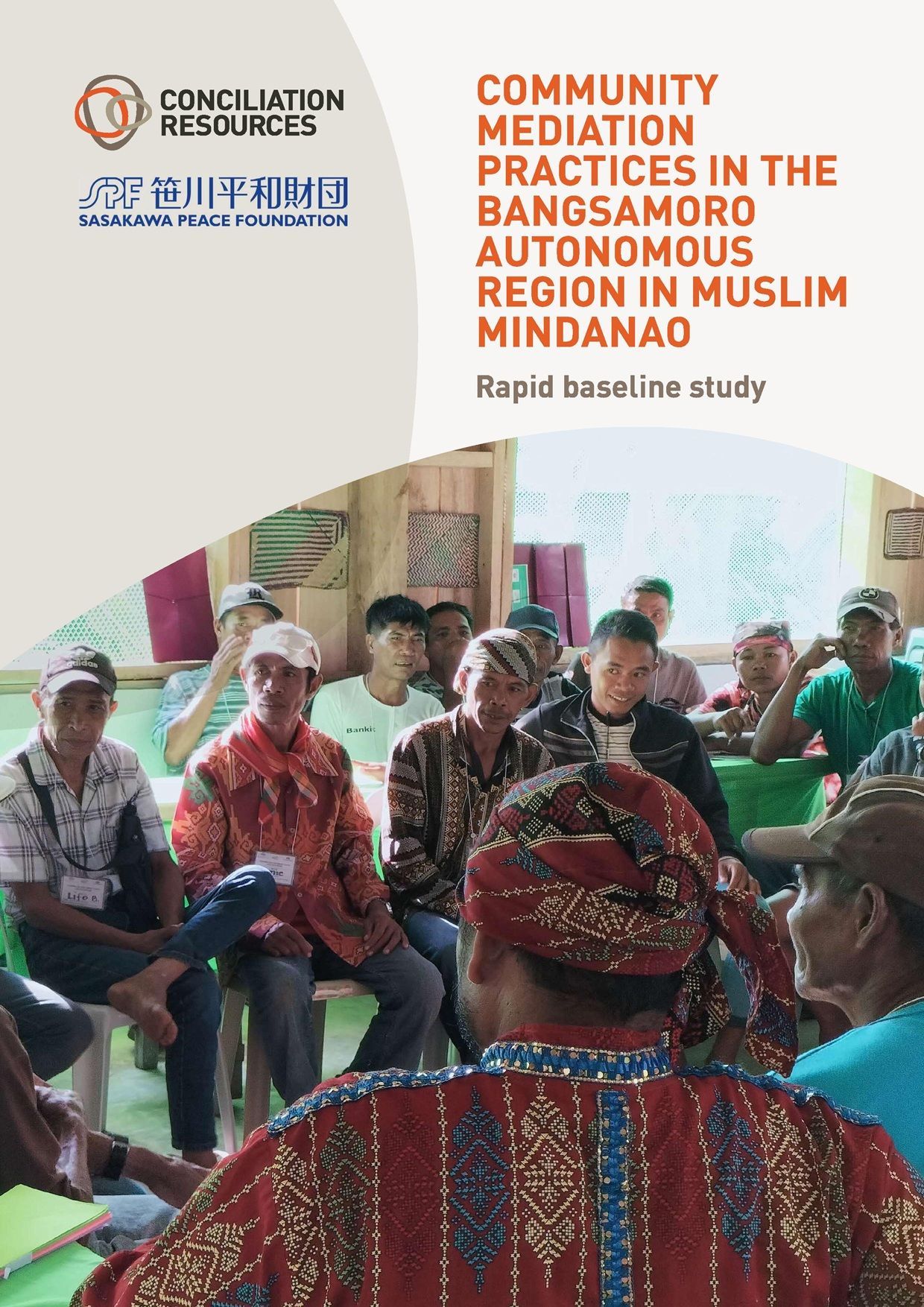
Rapid baseline study – Community mediation practices in the Bangsamoro Autonomous Region in Muslim Mindanao

Rapid baseline study – Community mediation practices in the Bangsamoro Autonomous Region in Muslim Mindanao

Community mediation serves as a cornerstone of conflict prevention and management in the Bangsamoro Autonomous Region in Muslim Mindanao (BARMM), offering a culturally grounded approach to addressing family disputes, clan feuds, and other locally driven tensions. This report presents findings from a rapid baseline study conducted by the Sasakawa Peace Foundation in partnership with Conciliation Resources, examining how a diverse range of actors practice mediation across the region. By mapping community-based mediation as it operates in practice, the study offers a foundational reference for peacebuilding efforts and informs policy development in BARMM.
March 23, 2026
Introducing SPF Reports on the Rohingya Refugee Crisis

Introducing SPF Reports on the Rohingya Refugee Crisis

The Rohingya refugee crisis, now in its eighth year, represents one of the world’s most protracted humanitarian emergencies. With over 1.1 million stateless Rohingyas sheltering in Bangladesh—primarily in Cox’s Bazar and Bhasan Char—the crisis has evolved beyond a humanitarian issue into a multidimensional challenge involving regional security, diplomatic deadlock, and livelihood vulnerabilities. To address these complexities, the Sasakawa Peace Foundation has published two key reports.

December 4, 2025
Explore Our Reports and Publications

pagetop

Video Title

Footer

Sasakawa Peace Foundation

  • About SPF
  • News
  • Experts
  • Events
  • Programs
  • Access
  • Research & Analysis
  • Contact Us

Latest Updates

Receive regular updates about news, events, and research from the Sasakawa Peace Foundation

Sign Up to Our Newsletter

Satellite Sites

  • From the Oceans
  • The Friends of WMU Japan
  • Asia Women Impact Fund
  • Insights into Japan–U.S. Relations
  • International Information Network Analysis (IINA)
  • The OPRI Center of Island Studies
  • SPF China Observer
  • Asia Peacebuilding Initiatives (APBI)
  • History of the Sasakawa Japan-China Friendship Program (Japanese language)
  • Japan-China Relations Data Graph (Japanese language)
  • Third Pole Project
  • PRIVACY POLICY
  • SITE POLICY
  • SOCIAL MEDIA POLICY
  • SITE MAP
  • WEB ACCESSIBILITY POLICY

Copyright © 2021 The Sasakawa Peace Foundation. All Rights Reserved.