Violent Extremism and De-Radicalization
FY2025
| Implementing Agency | Sasakawa Peace Foundation |
|---|---|
| Partner(s) | The Science of P/CVE, Centre for ALTERNATIVES, LPMS (Institute for Strengthening Civil Society), and others |
| Year | Single-year project |
| Project Type | Self Operated |
| Budget | 39,500,000 yen |
Project Outline
Experiences of conducting measures to combat violent extremism, including deradicalization and social reintegration programs for former combatants, have been accumulated in many parts of the world. While questions remain about the overall efficacy of these initiatives, their importance is increasingly apparent in light of recent conflict and war in Gaza and the Middle East. SPF has been engaged with deradicalization and social reintegration programs for former combatants in Indonesia and Bangladesh, based on in-depth analyses of radicalization processes at play in each target communities and close consultation with local communities and researchers. This has provided SPF an opportunity to collaborate with grassroots-level organizations, government agencies, and international organizations. Our work in Bangladesh and Indonesia seeks to help inform domestic and international policy debates on violent extremism in conjunction with feedback from experts in the field.
Program Officer
Program Report
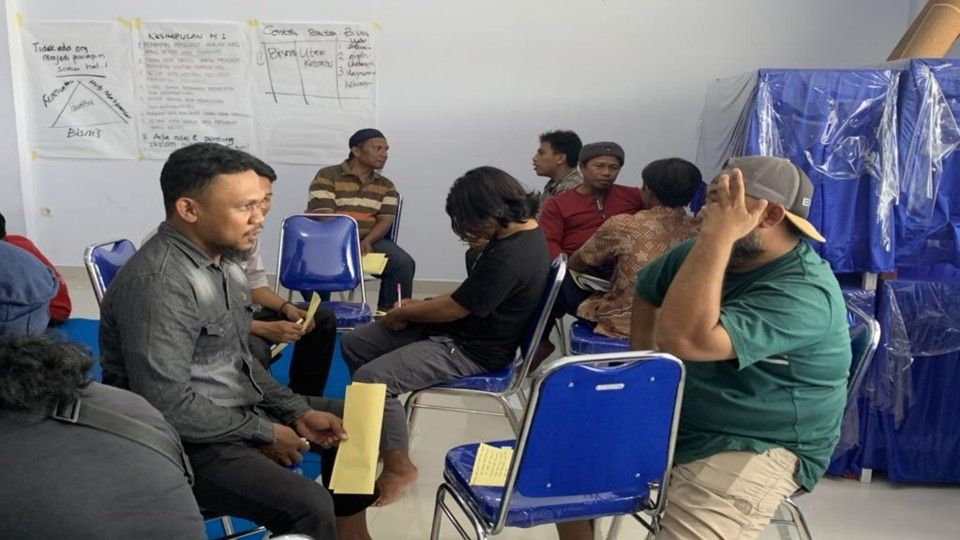
Support for Disengagement from Violent Extremism in Poso, Indonesia: The PROPOSOKU Program
In Central Sulawesi, Indonesia, we are implementing the “PROPOSOKU” program to support disengagement from violent extremism and facilitate social reintegration. This comprehensive initiative targets former combatants and their families, aiming to build sustainable peace through psychosocial support and the rebuilding of relationships with local communities.
We invite you to learn more about this program and its efforts to foster inclusive and lasting peace.
[Learn more here]
In Central Sulawesi, Indonesia, we are implementing the “PROPOSOKU” program to support disengagement from violent extremism and facilitate social reintegration. This comprehensive initiative targets former combatants and their families, aiming to build sustainable peace through psychosocial support and the rebuilding of relationships with local communities.
We invite you to learn more about this program and its efforts to foster inclusive and lasting peace.
[Learn more here]
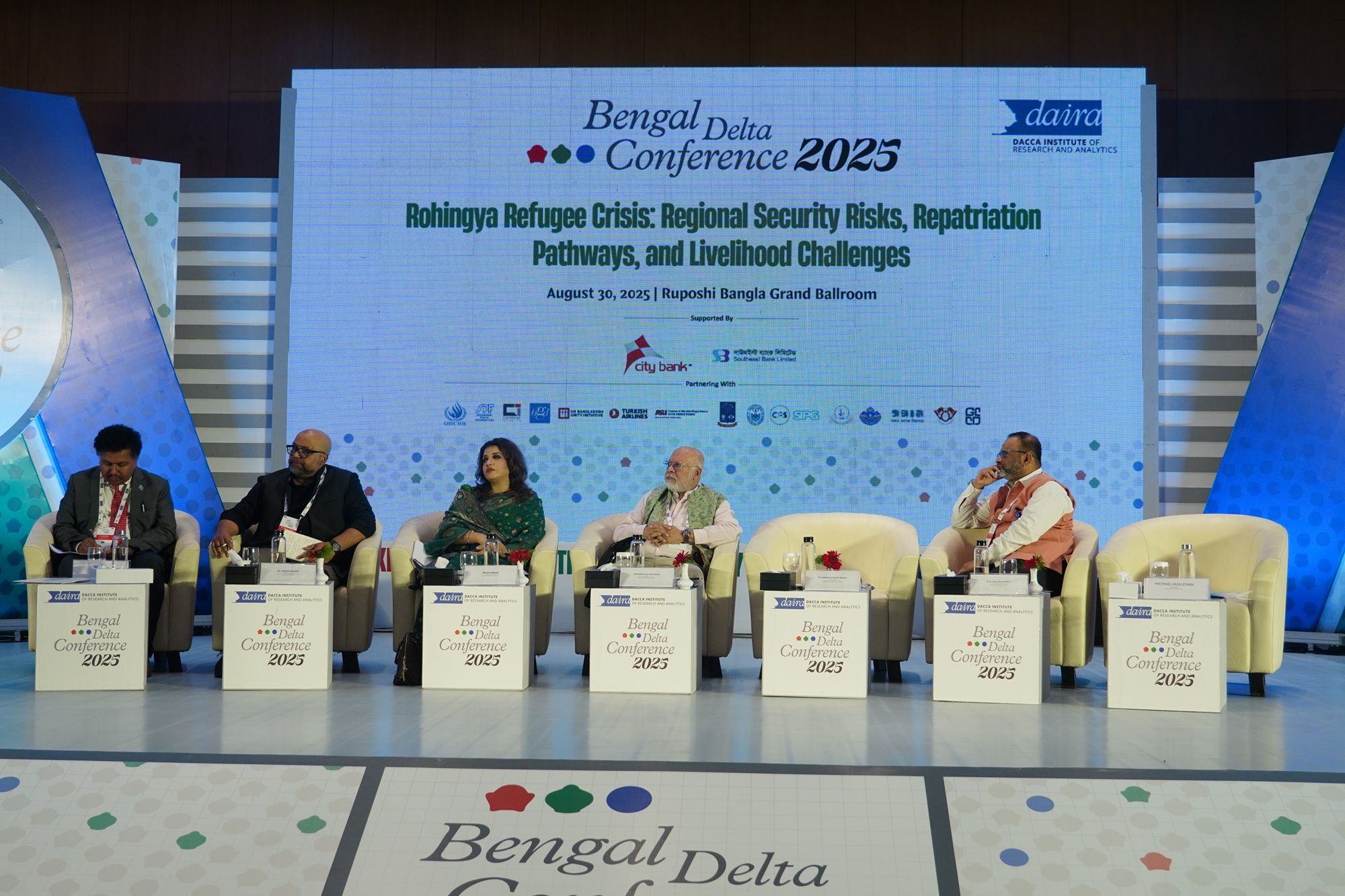
Special Session at the Bengal Delta Conference
In August 2025, The Sasakawa Peace Foundation hosted a special session on the Rohingya refugee crisis at the Bengal Delta Conference in Dhaka, Bangladesh. The session highlighted the multidimensional nature of the crisis—including security, diplomacy, counter-extremism, and livelihood challenges—and emphasized the need for regional and international cooperation. As an outcome, the Foundation submitted a policy brief to the interim government of Bangladesh and called for renewed global attention to the issue.
[Learn more here]
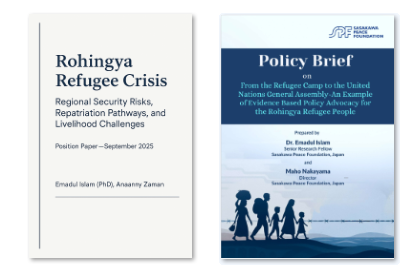
Publication of Reports on the Rohingya Refugee Crisis
The Sasakawa Peace Foundation has released two key reports addressing the Rohingya refugee crisis—one of the world’s most protracted humanitarian emergencies. These reports outline four core policy pillars: regional security risks, safe and dignified repatriation, ICT-driven livelihood support, and justice and accountability. They connect on-the-ground research with global advocacy to promote sustainable solutions.
[Learn more here]
The Sasakawa Peace Foundation has released two key reports addressing the Rohingya refugee crisis—one of the world’s most protracted humanitarian emergencies. These reports outline four core policy pillars: regional security risks, safe and dignified repatriation, ICT-driven livelihood support, and justice and accountability. They connect on-the-ground research with global advocacy to promote sustainable solutions.
[Learn more here]