Sasakawa Peace Foundation

日本語
  • About SPF
    • About Us
      • About Us
      • History
      • Program Policy and Five Priority Goals
      • Board Members
      • Diversity and Inclusion
      • Financial Position
      • Honorary Chair's Message Archive
      • Activities Before 2017
    • President's Message
    • Brochure and Annual Report
    • Access
    • Idea Submission
    • Careers
    • Contact Us
  • Experts
  • Programs
    • Japan-U.S. and Security Studies Unit
    • General Affairs and Networking Program
    • National Security and Japan-U.S. Program
    • Strategy and Deterrence Program
    • Asia and Middle East Unit
    • Strategic Dialogue and Exchange Program
    • Peacebuilding Program
    • Social Innovation Program
    • Sasakawa Japan-China Friendship Program
    • Ocean Policy Research Institute
    • Division of Ocean Vision and Action
    • Division of Island Nations
    • Scholarship Unit
    • Sasakawa Scholarship Program
  • Research & Analysis
    • Reports and Publications
    • Essays and Commentary
    • SPF Now Interviews
    • Videos
    • Podcasts
    • Browse by Regions
    • Regions
    • Americas
    • Northeast Asia
    • Southeast Asia
    • South Asia
    • Middle East
    • Oceania
    • Europe and Eurasia
    • Arctic
    • Africa
    • Satellite Sites
    • International Information Network Analysis
    • SPF China Observer
    • Asia Women Impact Fund
    • The OPRI Center of Island Studies
    • The Friends of WMU, Japan
    • SPF Insights into Japan–U.S. Relations
    • From the Oceans
    • Asia Peacebuilding Initiatives (APBI)
    • History of the Sasakawa Japan-China Friendship Program
      (Japanese language)
    • Japan-China Relations Data Graph (Japanese language)
    • Third Pole Project
  • News
    • News
    • Press Releases
    • SPF Newsletter
    • Media Coverage
  • Events
Peacebuilding Program

Special Session on the Rohingya Crisis at the Bengal Delta Conference

Turning Regional Voices into Policy Recommendations – Dialogue with Diverse Stakeholders


December 4, 2025
4 Min. Read

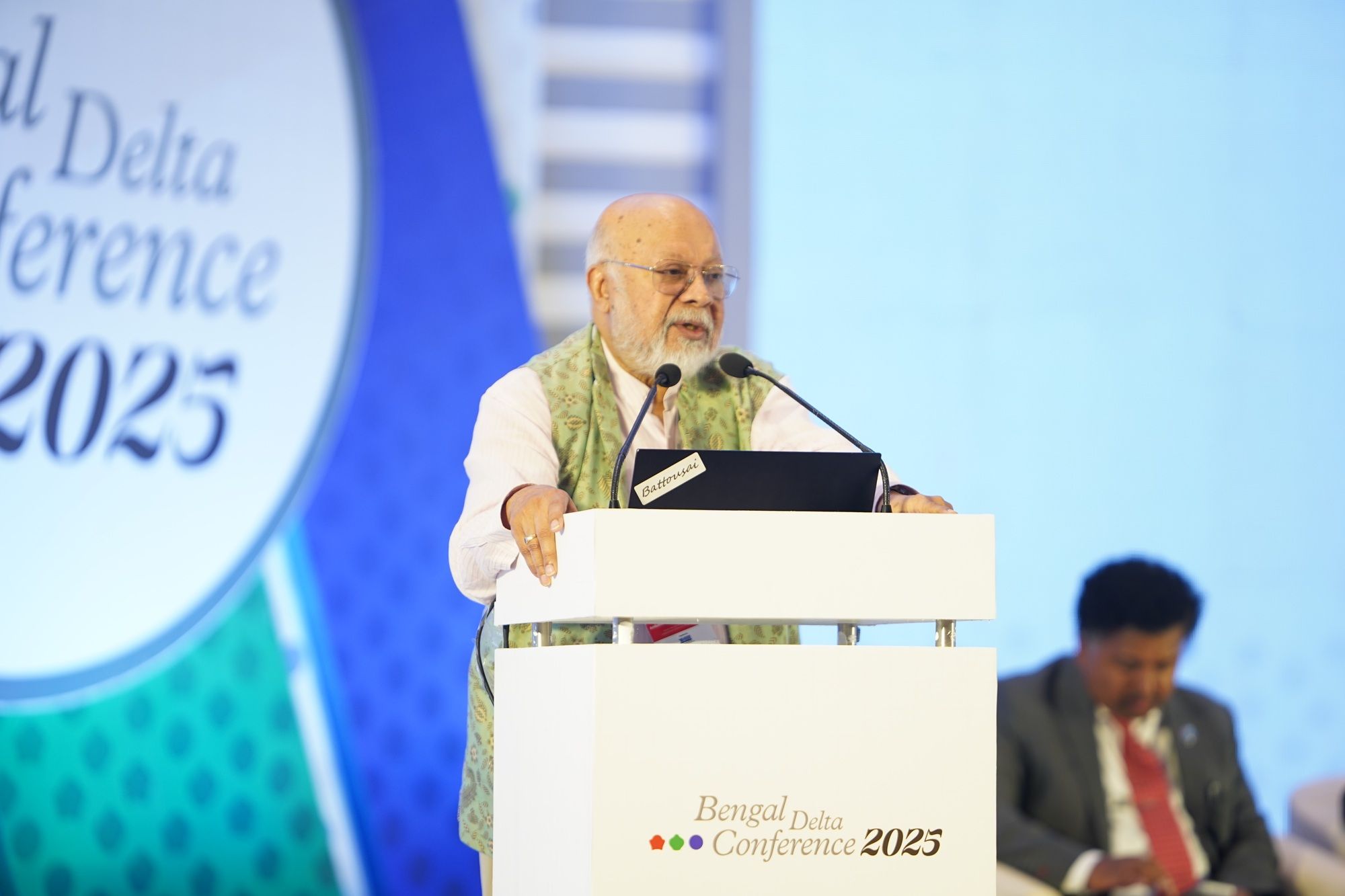
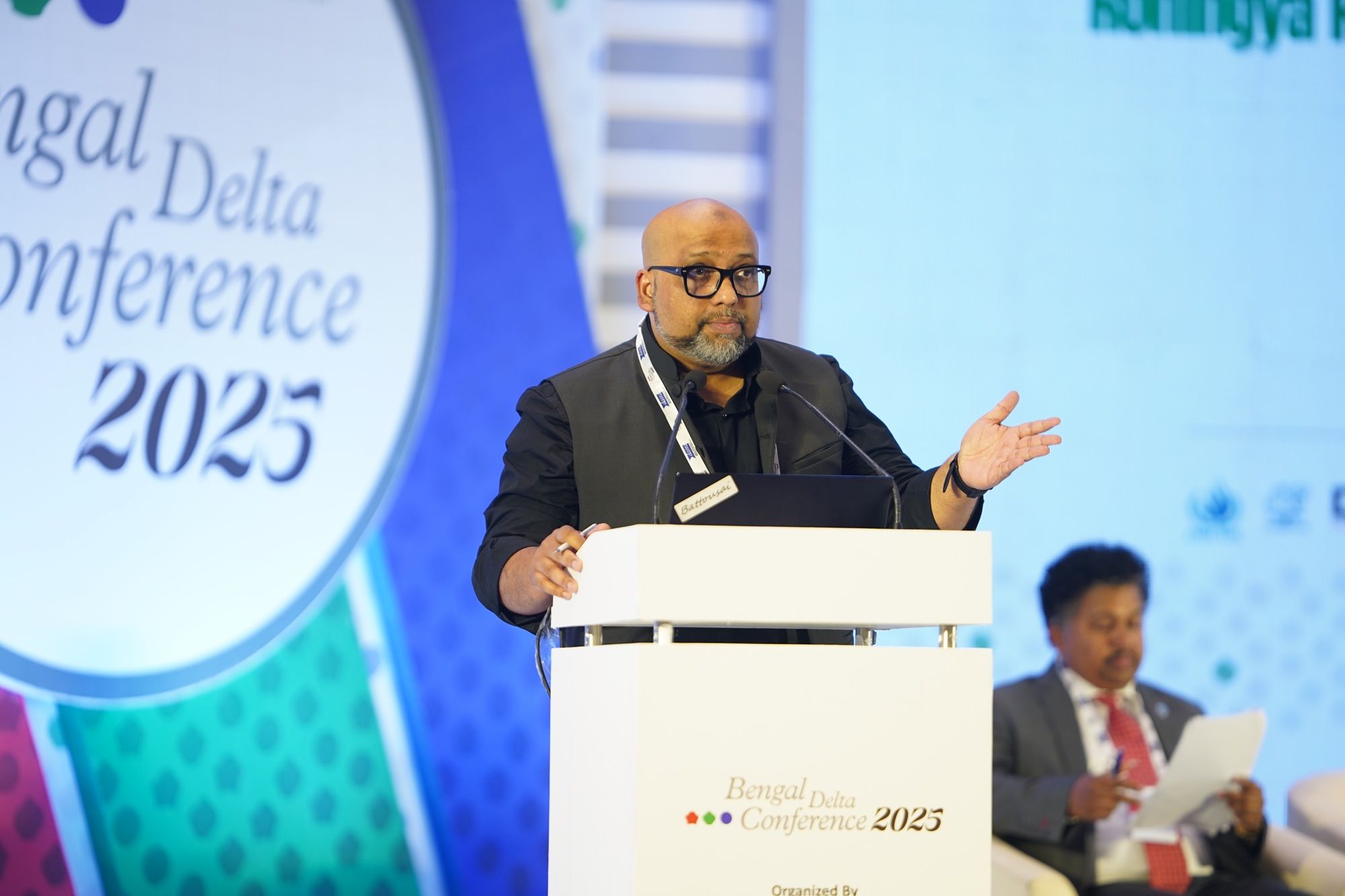
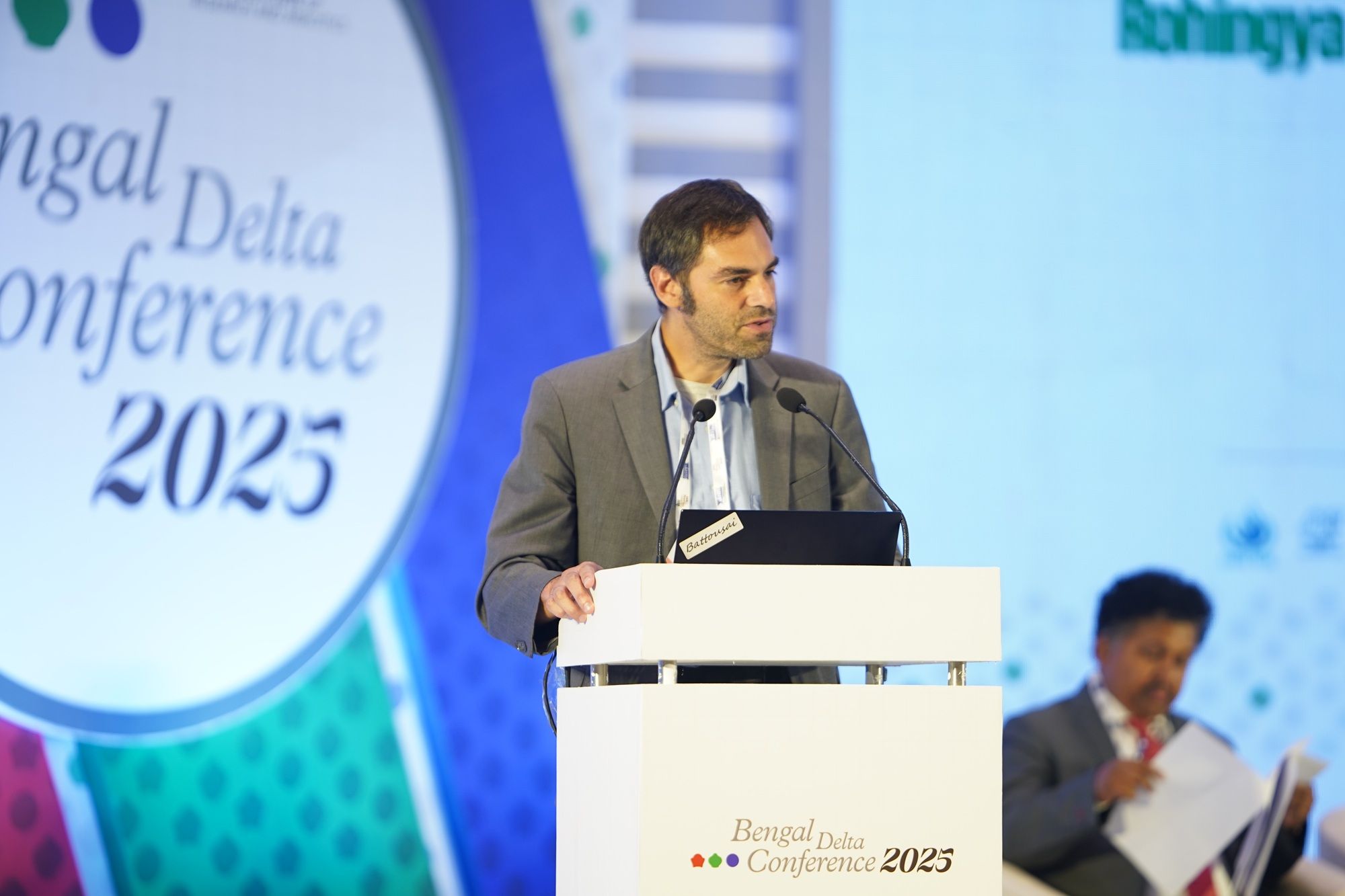
Panel discussion during the special session at the Bengal Delta Conference 2025


On August 30, 2025, the Sasakawa Peace Foundation hosted a special session titled “The Rohingya Refugee Crisis: Regional Security Risks, Repatriation Pathways, and Livelihood Challenges” during the Bengal Delta Conference in Dhaka, Bangladesh.

The Rohingya refugee crisis is among the world’s most protracted humanitarian emergencies. Today, more than 1.1 million Rohingya refugees have fled to Bangladesh, with approximately 77% being women and children. The situation has worsened due to limited access to education, shortages of food and healthcare, and a 70% reduction in international aid in 2024.

Complexity of the Crisis – Beyond Humanitarian Assistance

  • Regional Security Risks: Youth unemployment and lack of education heighten the risk of radicalization, human trafficking, and transnational organized crime.
  • Social and Environmental Impact: Hosting the world’s largest refugee camp has triggered land and job competition with host communities, while environmental issues—such as disruption of elephant migration routes—are emerging.
  • Digital Exclusion: Refugees lack legal access to mobile phones and the internet, leaving young people excluded from education and innovation opportunities, creating a ‘lost generation’ risk.

Key Discussion Points

The session brought together Bangladeshi politicians, academics, diplomats, and international policy analysts. Key perspectives included:
Diplomatic Perspective: Former Ambassador to USA Tariq A. Karim emphasized that ‘the root of the problem lies in post-partition identity politics,’ calling for stronger regional diplomacy.
Political Perspective: Bangladesh Nationalist Party (BNP) leader Shama Obaed asserted that ‘there can be no repatriation without accountability for Myanmar’s military,’ urging international legal action.
Academic Perspective: Dhaka University Vice Chancellor Professor Niaz Ahmed Khan warned that ‘livelihood support has become mere survival training due to funding shortages.’
Global Displacement Perspective: Professor of Arizona State University Dr. Faheem Hussain, linking the Rohingya experience to global displacement trends, emphasized that the digital divide has become a silent catastrophe. Without access to internet, mobile technology, or education, Rohingya youth risk becoming a lost generation, locked out of opportunity and innovation.
International Cooperation Perspective: Dr. Emadul Islam, Senior Research Fellow at the Sasakawa Peace Foundation, stressed the need for a comprehensive approach combining regional diplomacy and global cooperation, anchored in justice, accountability, and dignified repatriation.
U.S. Policy Perspective: Mr. Michael Kugelman, U.S. foreign policy analyst, urged balance in framing the crisis: “Over securitizing the Rohingya crisis may invite misguided interventions, while neglecting the security dimension risks losing international attention.” He praised Bangladesh’s leadership in international forums, including UNGA, but stressed that humanitarian imperatives—justice, education, and dignity—must anchor all policy responses.

Future Outlook

The Sasakawa Peace Foundation will continue to strengthen regional diplomacy and international cooperation to achieve a comprehensive solution to the Rohingya crisis. Through research, dialogue, and policy advocacy, we aim to build a sustainable future for both refugees and host communities.

Related Resources

Policy Brief

Policy Brief

Position Paper

Position Paper

Related Video

Related Articles

Latest News

Reports and Publications

Introducing SPF Reports on the Rohingya Refugee Crisis

The Rohingya refugee crisis, now in its eighth year, represents one of the world’s most protracted humanitarian emergencies. With over 1.1 million stateless Rohingyas sheltering in Bangladesh—primarily in Cox’s Bazar and Bhasan Char—the crisis has evolved beyond a humanitarian issue into a multidimensional challenge involving regional security, diplomatic deadlock, and livelihood vulnerabilities. To address these complexities, the Sasakawa Peace Foundation has published two key reports.

December 4, 2025
Reports and Publications

Reports on the Women, Peace and Security (WPS) Agenda in the Philippines

The Peacebuilding Program of the Sasakawa Peace Foundation promotes the Women, Peace and Security (WPS) agenda as one of its core pillars. In collaboration with PLCPD (Philippine Legislators' Committee on Population and Development), we have produced three reports aimed at deepening the understanding of the WPS agenda and its implementation in the Philippines. These reports aim to serve as valuable resources for policymakers, researchers, civil society organizations, academic institutions, and other stakeholders engaged in peacebuilding and gender equality.

September 29, 2025
Reports and Publications

Soft Recognition: Enabling Participation of Self-Determination Groups in Intergovernmental Organisations

This report examines the interrelationship between international affairs and domestic politics. In today's globalized world, challenges such as climate change, migration, and pandemics transcend national borders and influence domestic issues across countries. The report specifically focuses on "soft recognition" mechanisms that enable self-determining groups to participate in intergovernmental organizations, exploring both the benefits this participation offers and its potential for conflict resolution. The findings provide valuable insights for states and multilateral organizations alike.

March 24, 2025

pagetop

Video Title

Footer

Sasakawa Peace Foundation

  • About SPF
  • News
  • Experts
  • Events
  • Programs
  • Access
  • Research & Analysis
  • Contact Us

Latest Updates

Receive regular updates about news, events, and research from the Sasakawa Peace Foundation

Sign Up to Our Newsletter

Satellite Sites

  • From the Oceans
  • The Friends of WMU Japan
  • Asia Women Impact Fund
  • Insights into Japan–U.S. Relations
  • International Information Network Analysis (IINA)
  • The OPRI Center of Island Studies
  • SPF China Observer
  • Asia Peacebuilding Initiatives (APBI)
  • History of the Sasakawa Japan-China Friendship Program (Japanese language)
  • Japan-China Relations Data Graph (Japanese language)
  • Third Pole Project
  • PRIVACY POLICY
  • SITE POLICY
  • SOCIAL MEDIA POLICY
  • SITE MAP
  • WEB ACCESSIBILITY POLICY

Copyright © 2021 The Sasakawa Peace Foundation. All Rights Reserved.