Violence against women and children remains a severe and persistent social issue in the Philippines, prompting urgent calls for strengthened national responses. According to the
National Baseline Study on Violence Against Children conducted nationwide in 2022, 80% of surveyed youth aged 13–24 reported having experienced some form of violence, with 22.4% having suffered sexual violence. Yet fewer than 10% of those who had experienced violence sought help from public authorities, revealing the extent to which cases remain hidden and unaddressed
[1].
Police statistics paint a similarly alarming picture: in 2023 alone, 18,756 cases of violence against children were reported, including 7,933 cases of child abuse and 7,262 rape cases. Authorities acknowledge that the situation shows little sign of improvement
[2]. Furthermore, violence against women is widespread; the 2022 Demographic and Health Survey indicates that 18% of women have experienced physical or sexual violence by an intimate partner at some point in their lives
[3].
Together, these data reveal that violence—particularly against women and children—is deeply rooted and significantly underreported, and that existing support mechanisms remain insufficient. Building a comprehensive protection system is therefore essential.
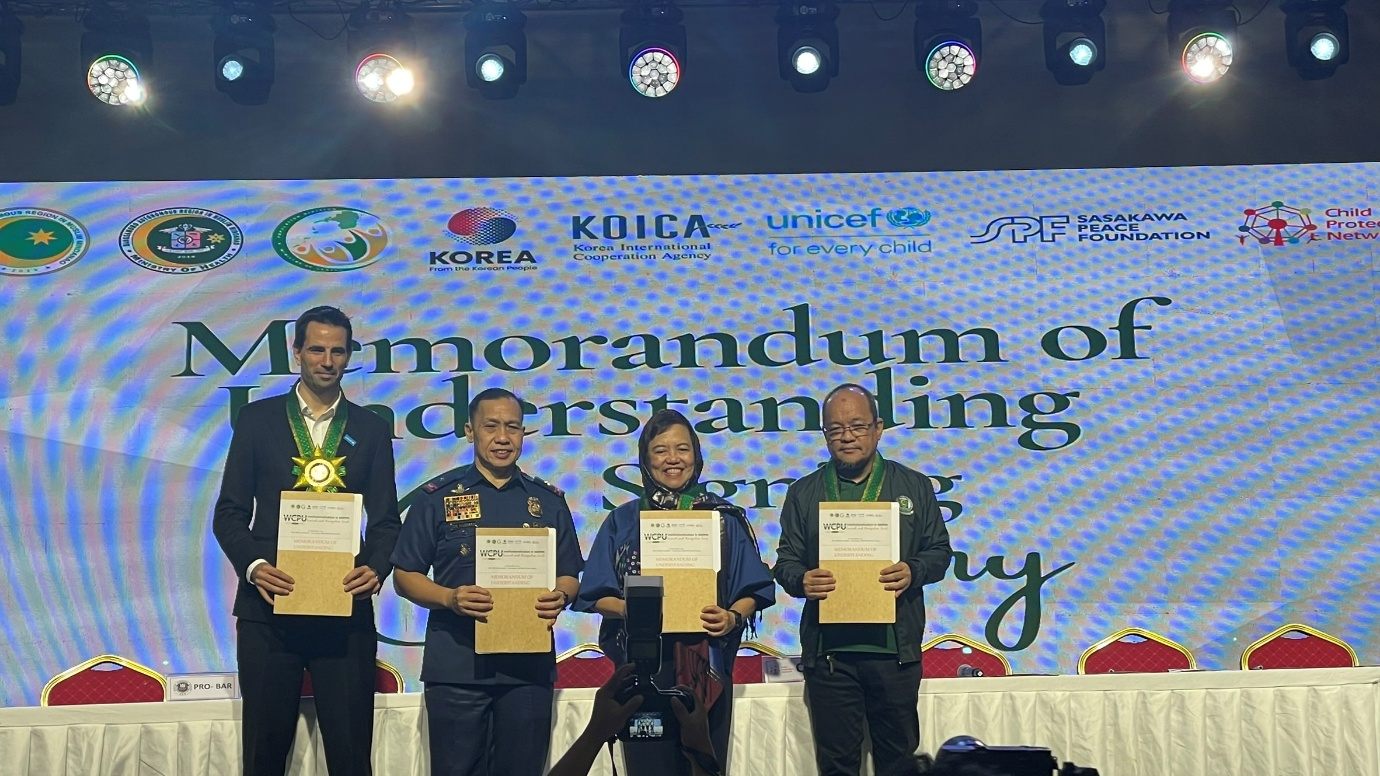
To address this need, the Philippine Department of Health issued Administrative Order 2013 0011 2013 0011 (Revised Policy on the Establishment of Women and Their Children Protection Units in All Government Hospitals), mandating the establishment of Women and Children Protection Units (WCPUs) in all government hospitals. As of March 2026, 101 WCPUs have been established nationwide, providing services to approximately 200,000
survivors.
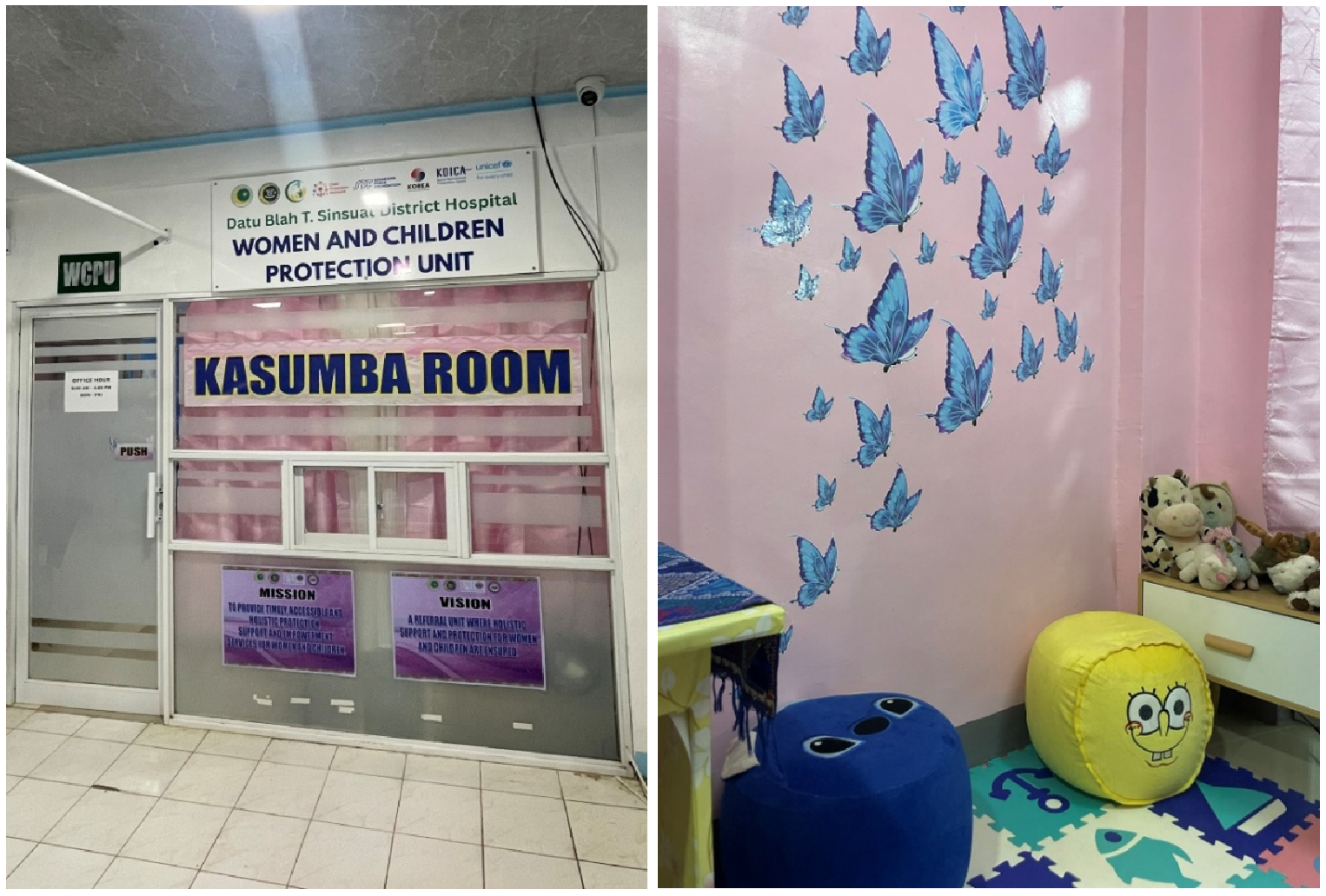
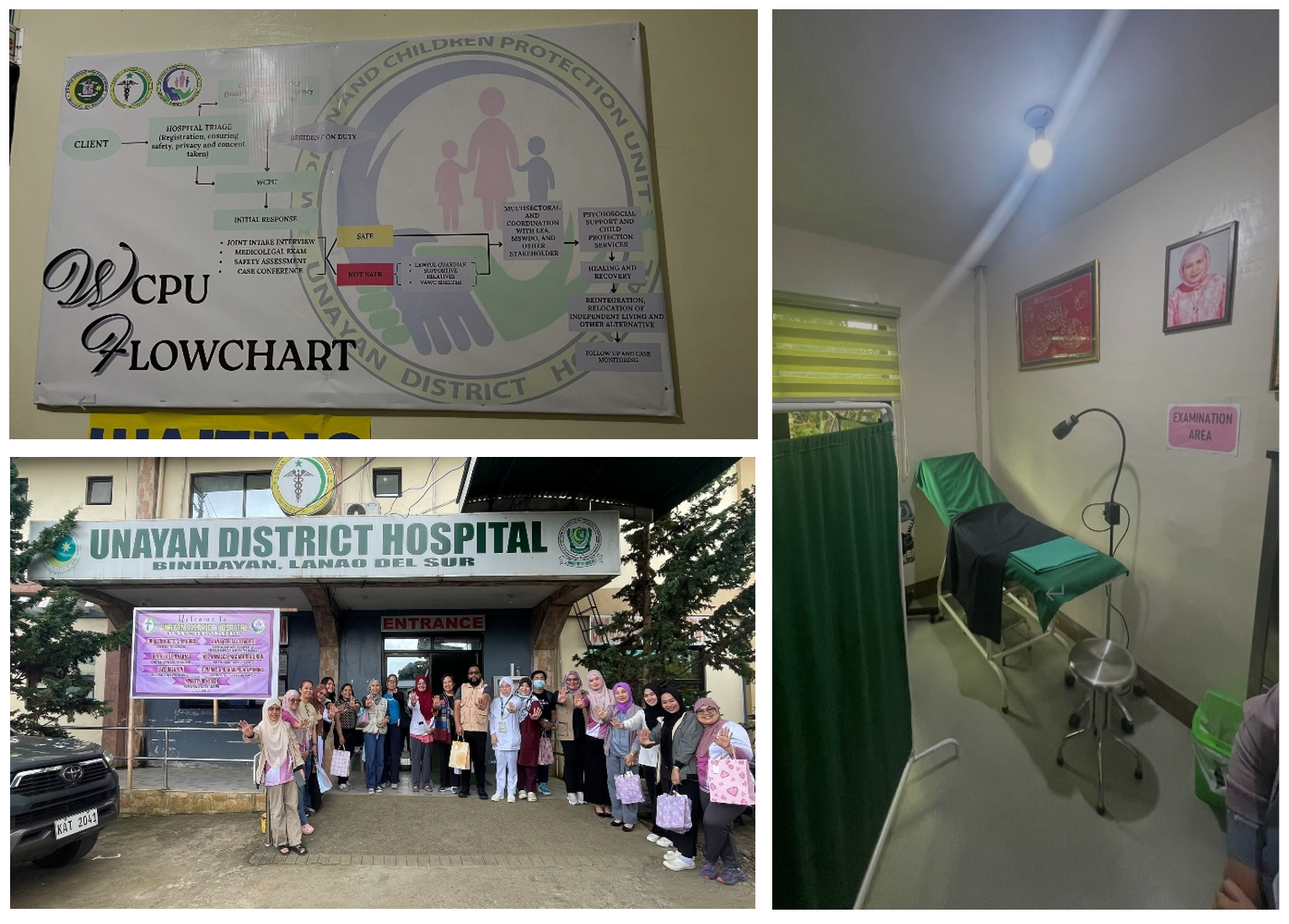
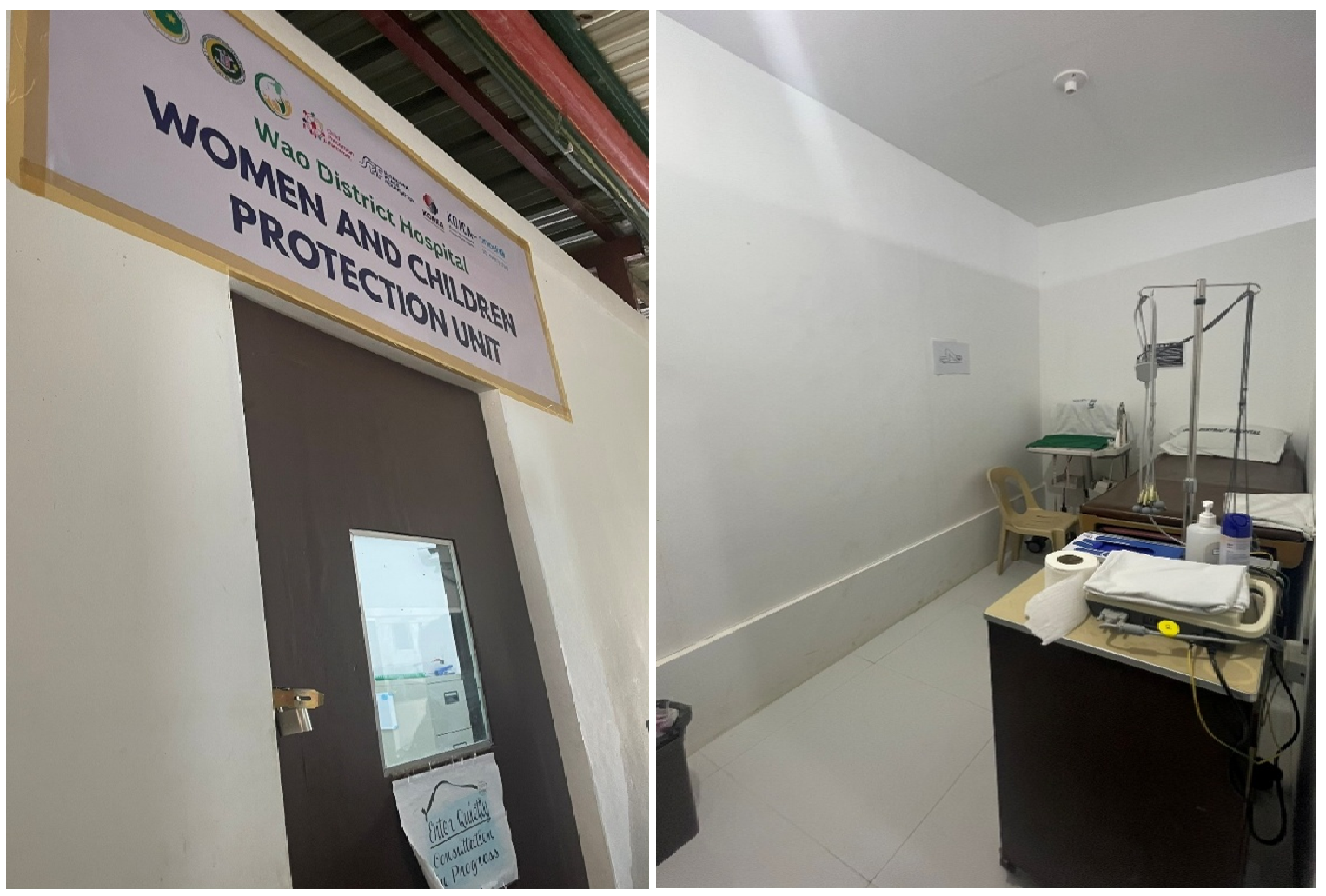
WCPUs serve as specialized hospital-based centers where survivors of abuse—women and children—can access comprehensive medical, psychological, social, and legal assistance. These units were developed by the Child Protection Network Foundation in partnership with the government and various developmental partners, with multidisciplinary teams of physicians, nurses, social workers, police officers, and others providing coordinated, trauma informed care based on shared protocols.
[1] Ramiro, L. S. et al. (2022). “National Baseline Study on Violence against Children and Youth (NBS VAC) in the Philippines.”
Acta Medica Philippina.
https://actamedicaphilippina.upm.edu.ph/index.php/acta/article/view/5062
[2] Panoringan, H. (2024). “Over 18,000 child violence cases in the Philippines in 2023.”
Smart Parenting.
https://www.smartparenting.com.ph/life/news/pnp-18k-child-violence-cases-2023-a6837-20241025
[3] Philippine Statistics Authority (PSA), & ICF. (2023). “Philippines Demographic and Health Survey 2022: Key Indicators Report (PR146).”
DHS Program.
https://www.dhsprogram.com/pubs/pdf/PR146/PR146.pdf