For many, the Middle East is often associated with conflict and instability. The people of this region continue to face immense difficulties caused by internal conflicts and regional disputes, which have often been exacerbated by the intervention of major powers. Recent examples include wars between Israel and the Arab nations, the Gulf War, the Iraq War, and the civil war in Syria, not to mention the unresolved situation in Gaza and the ongoing tensions involving Iran, the U.S., and Israel. Yet historically, the Middle East has long been a “region of connection,” where diverse cultures, religions, and trade have intersected and linked people together.
It was this richness born of human interaction that first sparked my interest in the Middle East. Admittedly, I am not a specialist in the Middle East and possess only limited knowledge. Even so, the world I encountered during university years through my mentor, the late cultural anthropologist Motoko Katakura (then a professor in the Department of International Relations at Tsuda University), completely overturned my preconceived image of the Middle East. The vibrant lives of women among the nomadic Bedouin of the Arabian Desert, and the fascinating history of cultural exchange along the Silk Road, stretching from Dunhuang in China through Central Asia, Türkiye and the Middle East to Europe—these experiences enabled me to see the Middle East not as a “place of conflict” but as a “vibrant crossroads” of cultures, peoples, and ideas.
The current tensions in Gaza and in Iran are having a major impact not only on those directly involved but also on the entire region, and the international community and global economy, which naturally includes Japan. Both situations remain fluid and unpredictable at the moment. At the same time, however, efforts toward reconstruction, regional stability, and the creation of a new future will likely be explored in various forms in the years ahead.
In this context, Japan—having engaged with the region from a neutral standpoint without being bound by historical engagements—may have the potential to contribute to peace and stability in the Middle East and help shape a new future together by working in partnership with countries in the region through international cooperation. Furthermore, at a time when the international order and development cooperation itself are undergoing transformation, the Middle East may represent a frontier where new models of cooperation beyond traditional “aid” can
be put into practice.
International development cooperation in a multipolar and multiplex world
The established international order is at a major turning point. As the relative power and influence of developed nations such as the U.S. decline, our world is becoming increasingly multipolar and shifting toward a "multiplex" structure in which diverse actors, values, and networks coexist and interact. International development cooperation is no exception, as we are seeing a rapid diversification of actors involved in development. In just over a year since the policy shifts of “Trump 2.0”—including dismantling the United States Agency for International Development (USAID) and imposing reciprocal tariffs—the international community is beginning to acknowledge these changes as the new baseline, sparking discussions on the future of international development cooperation.
Indeed, the Development Co-operation Directorate (DCD) at the Organisation for Economic Co-operation and Development (OECD) decided “The Future of International Development Co-operation” as the theme of its 2026 annual report and convened a multi-stakeholder conference in early May. In addition, several private and international initiative have emerged, including the “Future of Development Cooperation Coalition,” supported by the Gates Foundation and the Ford Foundation; the Global Future Council on “Reimagining Aid” at the World Economic Forum; and the “Accra Reset,” advocated by leaders such as the President of Ghana as an Africa-led initiative. Moreover, the governments of traditional donor nations such as the U.K. and Germany respectively have been hosting international conferences in an attempt to lead discussions on the future of international development cooperation.
A common thread across these recent developments is that the ongoing changes are not merely about the volume of financial resources; rather, they aim to build new models of development that incorporate a diverse range of partners and stakeholders. The Gulf nations of the Middle East and Türkiye are increasingly important players in this context.
The rising importance of the Middle East as a development actor
The term "traditional donors" generally refers to bilateral governments and organizations in developed countries that have been longstanding providers of official development assistance (ODA) and are members of the OECD Development Assistance Committee (DAC). Emerging economies, meanwhile, are also becoming active providers of foreign aid, and governments and organizations from these nations are often referred to as "emerging donors." Although Türkiye and Gulf nations (such as Saudi Arabia, the United Arab Emirates (UAE), Qatar and Kuwait) are considered as emerging donors, they have in fact been providing aid to other countries for many years, underpinned by religious, cultural or geopolitical considerations (see Table 1).
It should be also noted that, in addition to government agencies, foundations, charitable organizations, and humanitarian aid agencies rooted in Islamic philanthropy play important roles as development actors. In this sense, the label "emerging donors" is not necessarily appropriate.
Alongside bilateral donors, multilateral organizations such as the Islamic Development Bank (IsDB, established in 1975 and headquartered in Saudi Arabia) also play an important role. With 57 member nations, the IsDB provides financing across a wide range of sectors—including infrastructure, education, health, and agriculture—and has fostered a distinct development finance sphere within the Islamic world, centered primarily on its member nations.
Table 1. Major development cooperation organizations in the Middle East
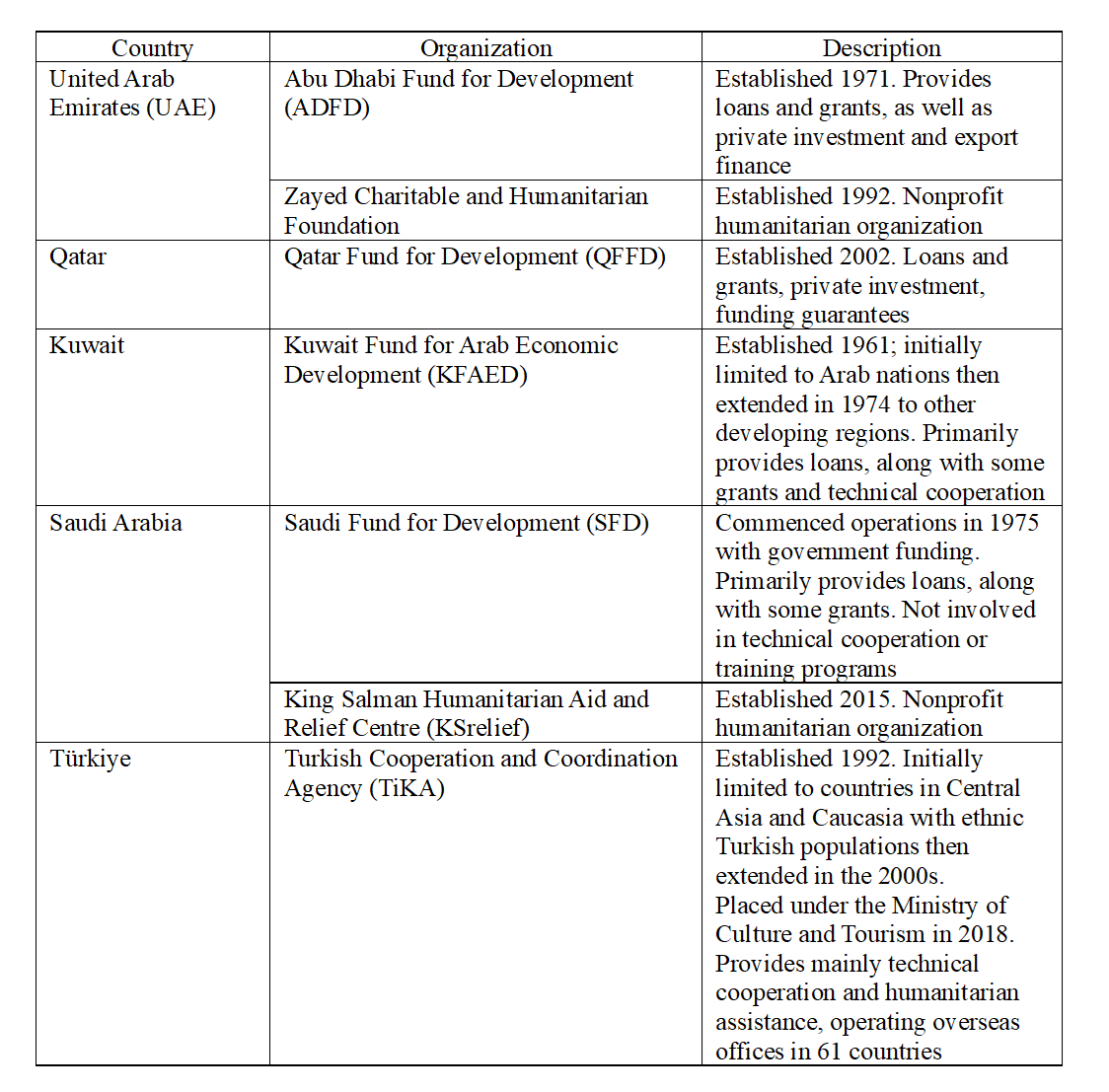
Source: Compiled by the author based on White Paper on Development Cooperation 2024 (Ministry of Foreign Affairs of Japan) and other publicly available sources
As such, the nations of the Middle East should be viewed as development actors operating in historical and institutional contexts distinct from those of traditional DAC donors. In particular, two points deserve attention.
The first is their growing presence as development cooperation actors. Türkiye and the Gulf nations are making contributions comparable to those of the traditional donors in terms of financial volume. Although they are not formal members of the OECD-DAC, they maintain close relationships with the DAC and regularly report their respective ODA contributions. (Note: They participate in multiple institutional frameworks; the UAE and Saudi Arabia are members of BRICS, while Türkiye has applied for memberships and is also a founding member of the OECD.) While their modalities vary by organization, they demonstrate a strong presence—particularly in the Islamic world and Africa—through concessional lending, grant aid, technical cooperation, and humanitarian assistance.
Based on the DAC statistics for 2025 (preliminary figures; see Figure 1), Türkiye’s ODA amounted to $7.52 billion. This figure places it seventh among the DAC bilateral donors, following Germany, the U.S., the U.K., Japan, France and the Netherlands, and ranking above G7 members such as Italy and Canada. (Note: Türkiye’s ODA includes a significant amount of spending on assistance for refugees hosted domestically). The UAE, meanwhile, provided $3.41 billion, roughly equivalent to South Korea ($3.87 billion) and Denmark ($3.43 billion). Another method of comparison is the ODA/GNI ratio, which measures aid relative to the overall size of the economy. The UAE has an ODA/GNI ratio of 0.61%, Türkiye 0.50% and Qatar 0.41%. These figures are all well above the DAC average of 0.26% and exceed that of Japan (0.35%). The latest available data on Saudi Arabia, from 2024, shows ODA totaling $5.55 billion and an ODA/GNI ratio of 0.45%.
Figure 1. ODA volume in 2025
(preliminary data, grant equivalent amount in $million)
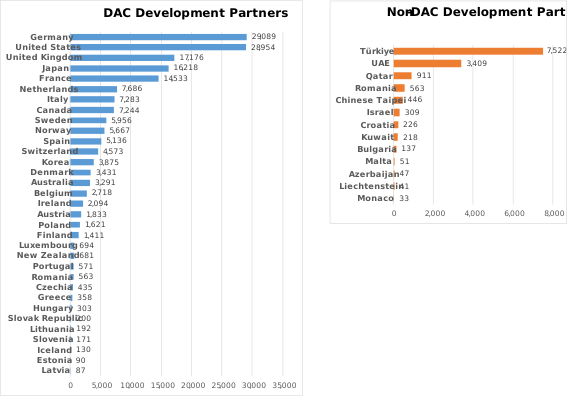
Source: Compiled by the author from OECD database
Among these actors, the Turkish Cooperation and Coordination Agency (TiKA) is said to have drawn on the experience of the Japan International Cooperation Agency (JICA). As an implementing agency under the Ministry of Culture and Tourism, TiKA operates in more than 170 countries, undertaking a wide range of activities—primarily technical cooperation, equipment provision, support for facility development—in areas such as social infrastructure, education, health and cultural heritage preservation. It is also a major provider of humanitarian assistance to Syria. TiKA maintains overseas offices in 61 countries across the Middle East, Central Asia, South Asia, the Balkans, and Africa (as of January 2025), reflecting its commitment to a field-oriented approach. Since the 1990s, JICA and TiKA have collaborated on third-country training programs for neighboring countries in areas such as disaster risk management and sustainable development. Building on this longstanding cooperation, the two agencies signed a Memorandum of Understanding in 2012 aimed at further strengthening their strategic partnership.
The second notable feature—especially among the Gulf nations—is their capacity for mobilizing large-scale financial resources, underpinned by abundant revenues from natural resources. Drawing on oil revenues, they channel funds through state-owned financial institutions and development funds into strategic sectors such as infrastructure, energy, water, and food security, both domestically and internationally. They have also used state-backed investment funds known as sovereign wealth funds (SWF) to invest in startups, AI and renewable energy both at home and abroad, while also actively operating in international financial markets.
In this way, the Gulf nations are expected to make distinctive contributions through religious and cultural networks (including those rooted in Islam), the scale of financial resources, innovative initiatives, and their role as hubs for blended finance that combines public and private capital. Türkiye, for its part, has also actively promoted business engagement in Africa through close public–private coordination, particularly since the early 2000s, supported by institutions such as its Export-Import Bank.
Partners in shaping the future—exploring a new model of development cooperation
So how should Japan respond? Partnerships with the Middle East are important for two respects and can serve as a foundation for the role Japan should play in the international community in the years ahead.
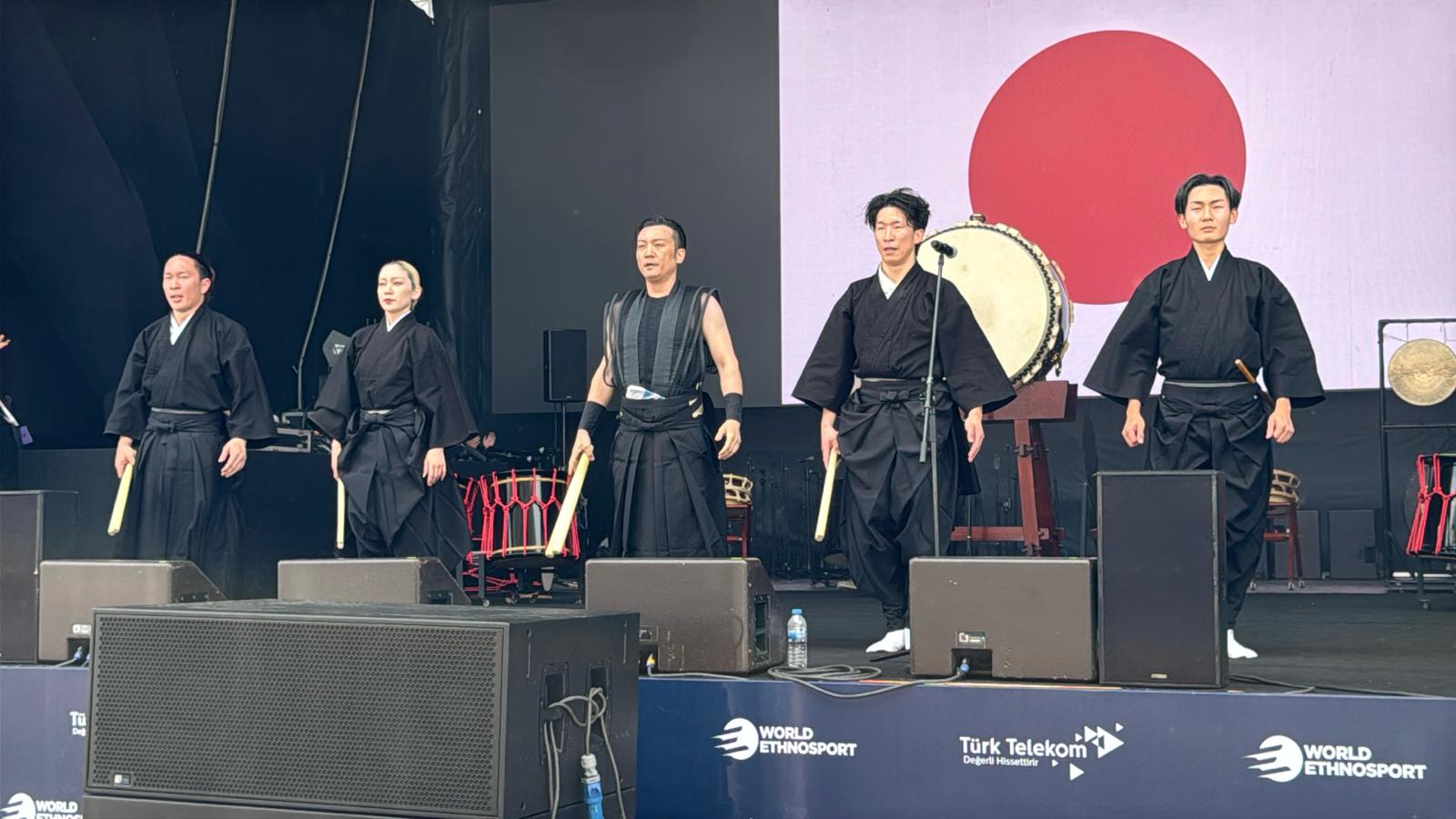
Firstly, Japan should capitalize on its own strengths and position Middle Eastern nations as “complementary” partners. Türkiye and the Gulf nations have distinctive advantages, including religious and cultural networks, economic and business linkages across the Middle East and Africa, geopolitical access, experience in supporting conflict-affected and fragile states, financial resources, and the ability to make swift decisions. Japan, on the other hand, brings strengths in its field-oriented approach, technological capabilities in infrastructure, renewable energy, and manufacturing, as well as expertise in institution building and human resource development, underpinned by long-standing relationships of trust cultivated through both public and private channels. These complementary strengths can generate significant synergies: Japan can provide context-sensitive cooperation that emphasizes institution building and capacity development, while leveraging Middle Eastern partners’ financial capacity, diverse funding and institutional frameworks—including Islamic finance—and geopolitical access to the Middle East and Africa.
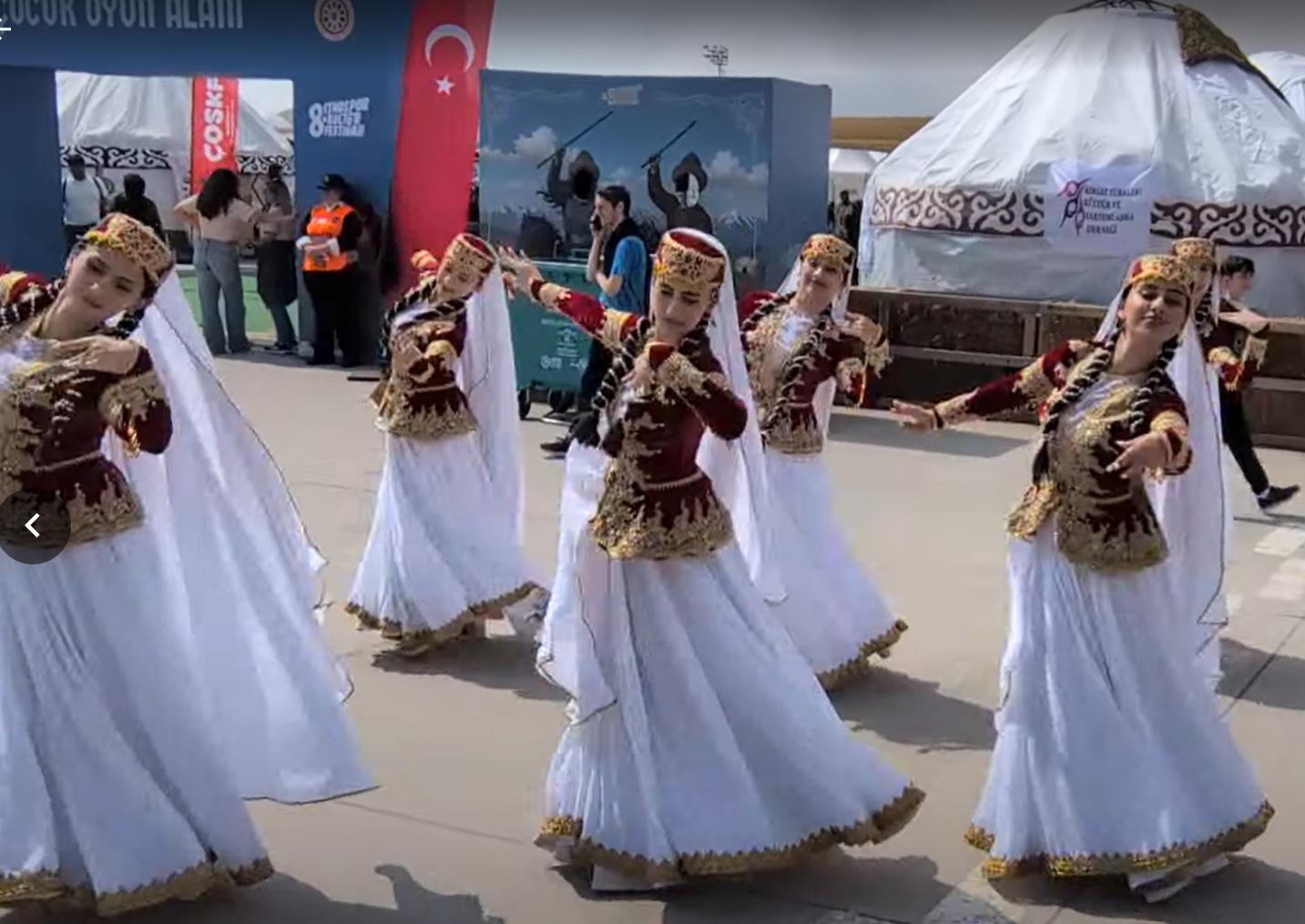
Secondly, collaboration with the Middle East offers an ideal opportunity to explore new approaches to development cooperation. Development cooperation is shifting from an “aid-centered” model toward one that embraces diverse partners and emphasizes investment and innovation. While ODA remains important, its role as a “catalyst” in addressing social challenges is increasingly prominent, particularly through South-South cooperation partners and emerging donors, the private sector, philanthropic organizations, and development finance institutions. The Gulf nations in particular are looking to position themselves as global innovation hubs, with substantial venture capital investments and the clustering of innovative enterprises. In this context, Middle Eastern partners are not merely sources of funding, but key actors in shaping and operationalizing new models of development cooperation.
Japan’s potential contribution to peace and development in the Middle East is by no means insignificant. Moreover, such engagement will contribute to strengthening Japan’s own standing within the international community. Partnerships with the Middle East present an opportunity to co-create new development approaches involving diverse stakeholders, and at the same time, serve as a testing ground for Japan’s own future. Now is the time for Japan to sharpen its strengths and translate them into action.
Izumi Ohno
Professor Emeritus and Adjunct Professor, National Graduate Institute for Policy Studies (GRIPS)