West Asia and Islam Program
News
West Asia and Islam Program
West Asia
Public panel session ”The Developments in the Middle East and the Future of Türkiye–Japan Relations”
May 1, 2026
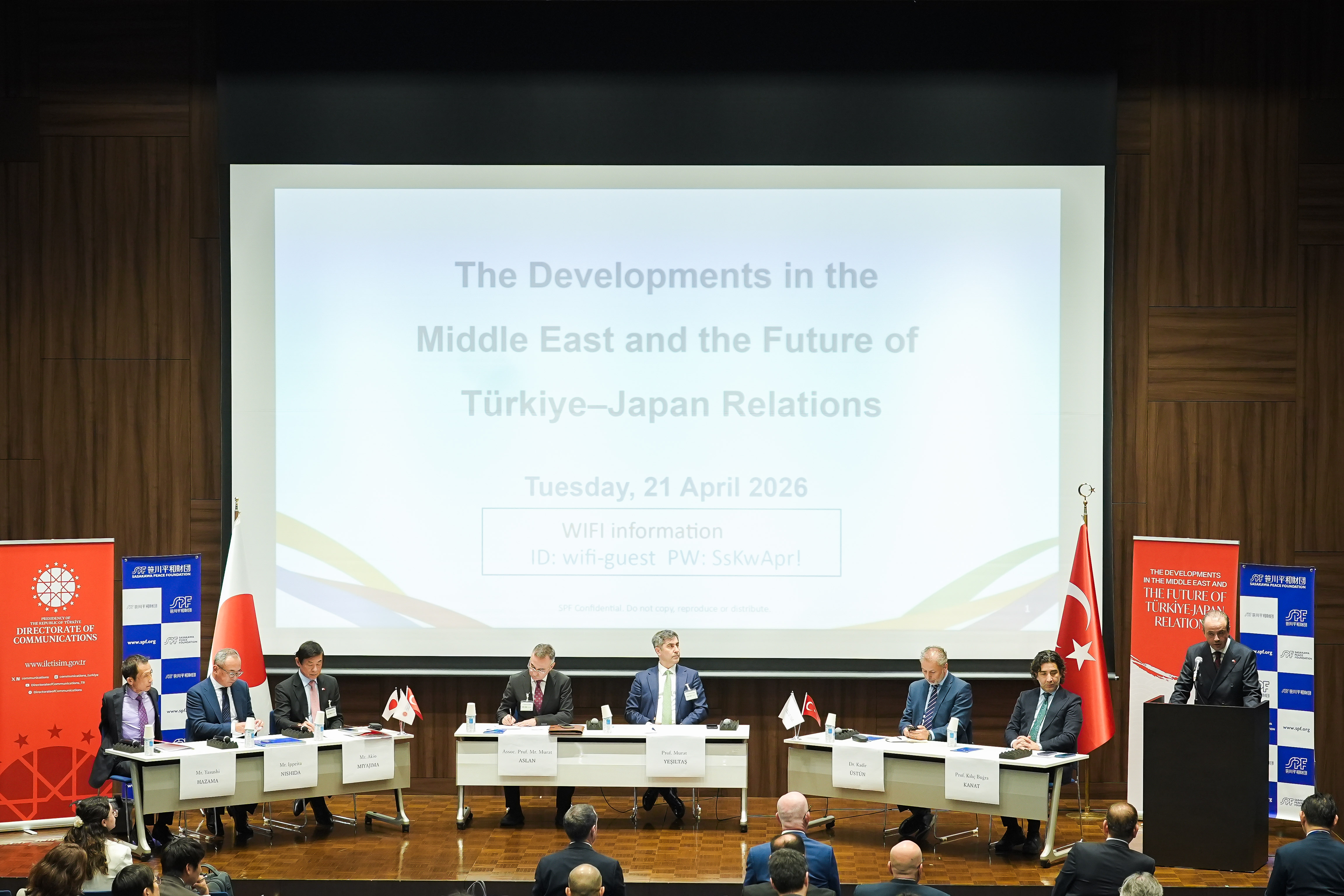
On 21 April 2026, the Sasakawa Peace Foundation (SPF) co-hosted a public panel session entitled “The Developments in the Middle East and the Future of Türkiye–Japan Relations” together with the Foundation for Political, Economic and Social Research (SETA) and the Directorate of Communications of the Presidency of the Republic of Türkiye.
SETA is a Turkish think tank that conducts research on global affairs as well as Türkiye’s foreign policy and security issues, and actively disseminates policy-oriented analyses to international audiences.
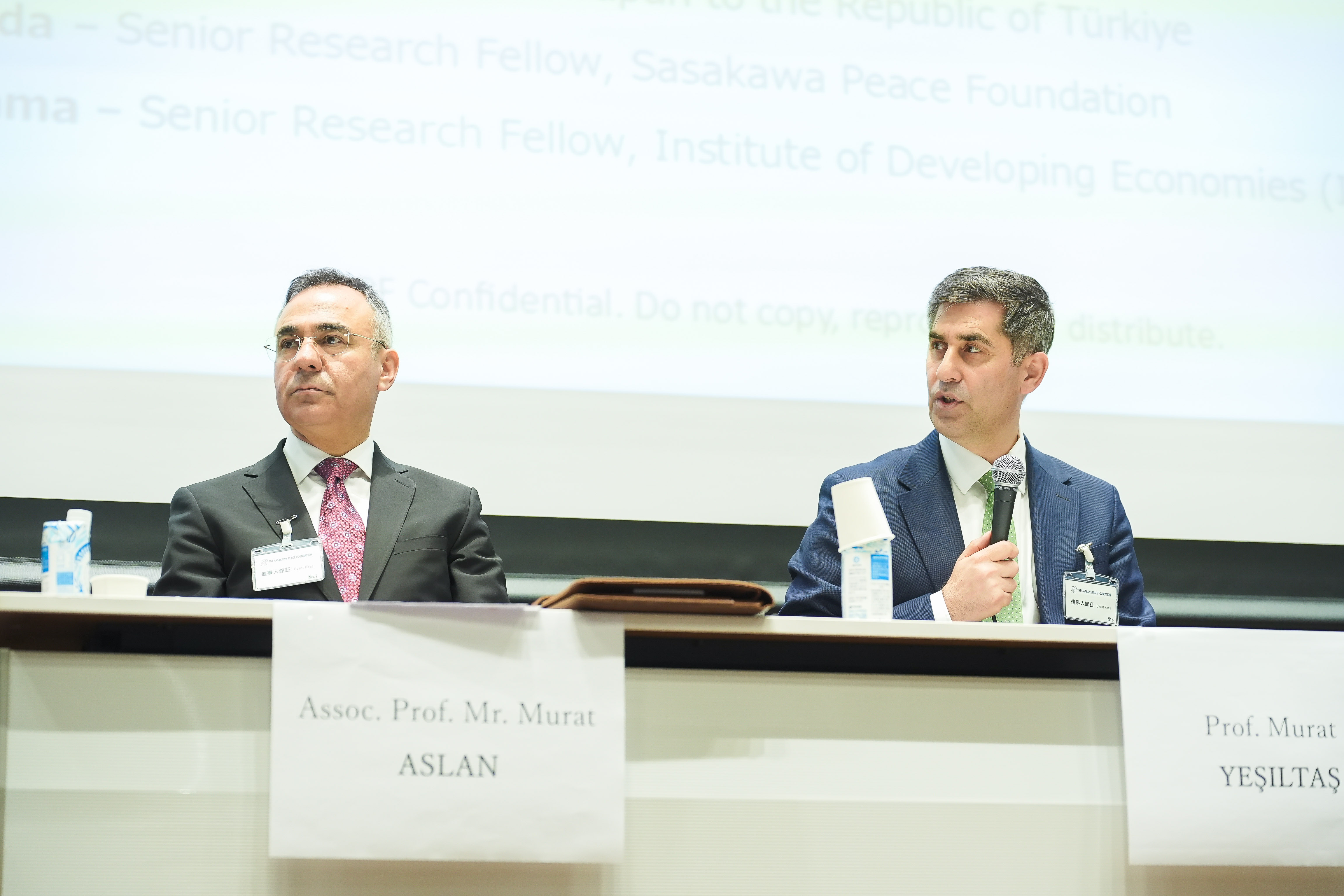
At the public panel session, researchers from SETA—two from its Washington, D.C. office and two from its headquarters in Ankara—engaged in discussions with Japanese participants, including Amb. Akio Miyajima, former Ambassador of Japan to the Republic of Türkiye; Dr. Yasushi Hazama, Senior Research Fellow at the Institute of Developing Economies (IDE-JETRO); and Mr. Ippeita Nishida, Senior Fellow at the Sasakawa Peace Foundation.
From the Turkish side, particular emphasis was placed on the perceived dysfunction of the existing international system, including the United Nations, and the resulting need for a new international order. Within this context, the role of middle powers was highlighted as increasingly important. Turkish participants stressed that stability in the Middle East cannot be ensured through temporary peace arrangements alone, but requires a more sustainable regional security framework. They expressed Türkiye’s interest in cooperating with Japan toward this end.
In response, Japanese participants highlighted the longstanding cooperative and friendly relationship between Japan and Türkiye, the significance of Türkiye’s role in the current Middle East context, and the importance of Japan’s proactive engagement in frameworks such as NATO. They also referred to issues such as UN reform, possibilities for cooperation in the reconstruction of Syria and Palestine, and the need to build a long-term relationship of trust between the two countries.
In addition, views were expressed on cooperation among like-minded countries toward reforming UN procedures, collaboration in technology and defense-related investments, and the continued importance of relations with the United States.
Discussions continued in a closed roundtable session following the panel. Throughout these exchanges, Turkish researchers presented clear and comprehensive perspectives on global developments and their vision of the international order. For Türkiye, instability in neighboring regions—such as Ukraine, Syria, Palestine, and Iran—poses direct challenges related to security and refugee flows. The discussions reflected Türkiye’s intention to address these challenges not through dependence on major powers, but through cooperation with other middle powers, including emerging countries.
The Sasakawa Peace Foundation remains committed to advancing strategic dialogue with stabilizing actors and opinion leaders in the Middle East, with the aim of contributing to peace, stability, and reconstruction in the region.
SETA is a Turkish think tank that conducts research on global affairs as well as Türkiye’s foreign policy and security issues, and actively disseminates policy-oriented analyses to international audiences.
At the public panel session, researchers from SETA—two from its Washington, D.C. office and two from its headquarters in Ankara—engaged in discussions with Japanese participants, including Amb. Akio Miyajima, former Ambassador of Japan to the Republic of Türkiye; Dr. Yasushi Hazama, Senior Research Fellow at the Institute of Developing Economies (IDE-JETRO); and Mr. Ippeita Nishida, Senior Fellow at the Sasakawa Peace Foundation.
From the Turkish side, particular emphasis was placed on the perceived dysfunction of the existing international system, including the United Nations, and the resulting need for a new international order. Within this context, the role of middle powers was highlighted as increasingly important. Turkish participants stressed that stability in the Middle East cannot be ensured through temporary peace arrangements alone, but requires a more sustainable regional security framework. They expressed Türkiye’s interest in cooperating with Japan toward this end.
In response, Japanese participants highlighted the longstanding cooperative and friendly relationship between Japan and Türkiye, the significance of Türkiye’s role in the current Middle East context, and the importance of Japan’s proactive engagement in frameworks such as NATO. They also referred to issues such as UN reform, possibilities for cooperation in the reconstruction of Syria and Palestine, and the need to build a long-term relationship of trust between the two countries.
In addition, views were expressed on cooperation among like-minded countries toward reforming UN procedures, collaboration in technology and defense-related investments, and the continued importance of relations with the United States.
Discussions continued in a closed roundtable session following the panel. Throughout these exchanges, Turkish researchers presented clear and comprehensive perspectives on global developments and their vision of the international order. For Türkiye, instability in neighboring regions—such as Ukraine, Syria, Palestine, and Iran—poses direct challenges related to security and refugee flows. The discussions reflected Türkiye’s intention to address these challenges not through dependence on major powers, but through cooperation with other middle powers, including emerging countries.
The Sasakawa Peace Foundation remains committed to advancing strategic dialogue with stabilizing actors and opinion leaders in the Middle East, with the aim of contributing to peace, stability, and reconstruction in the region.
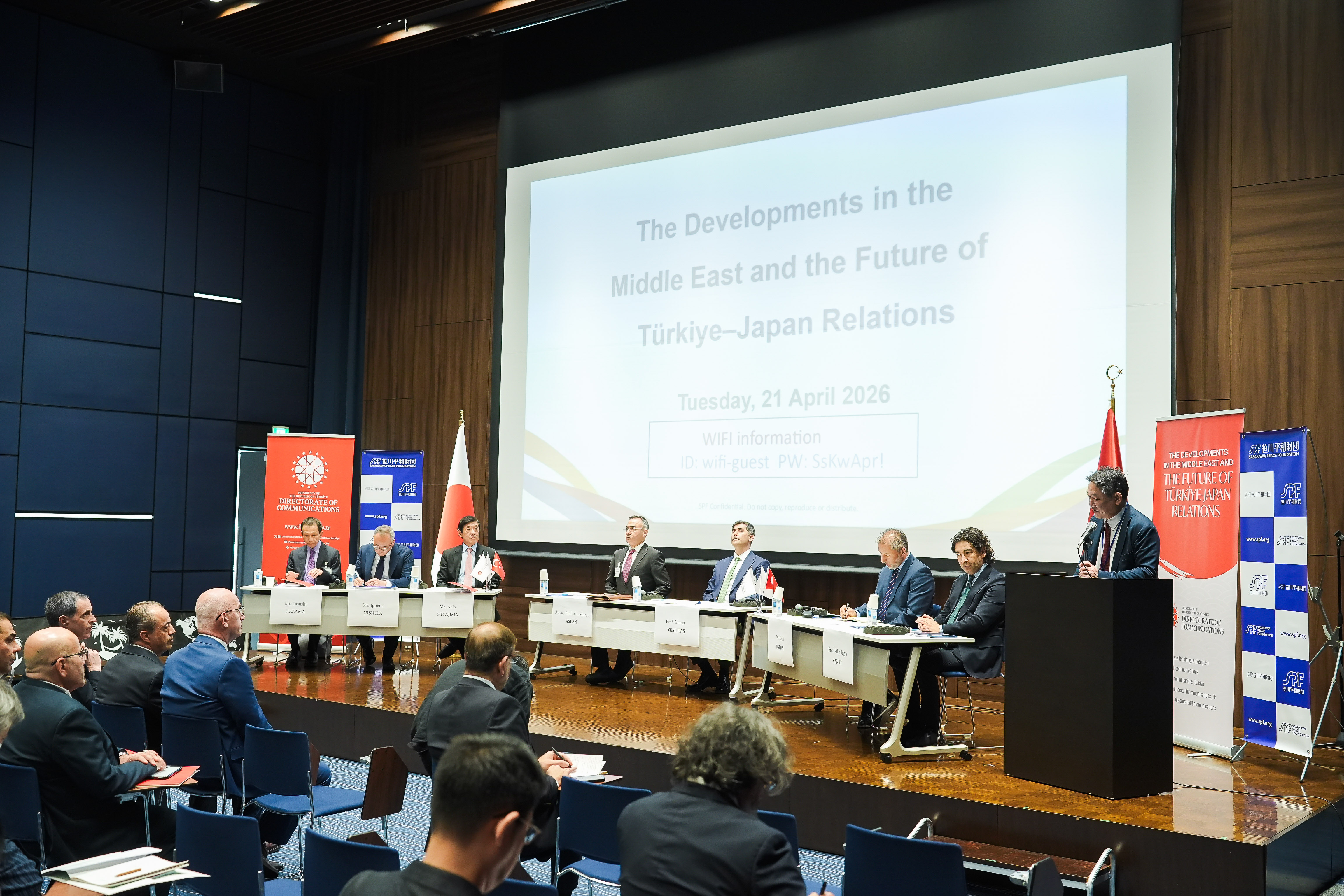
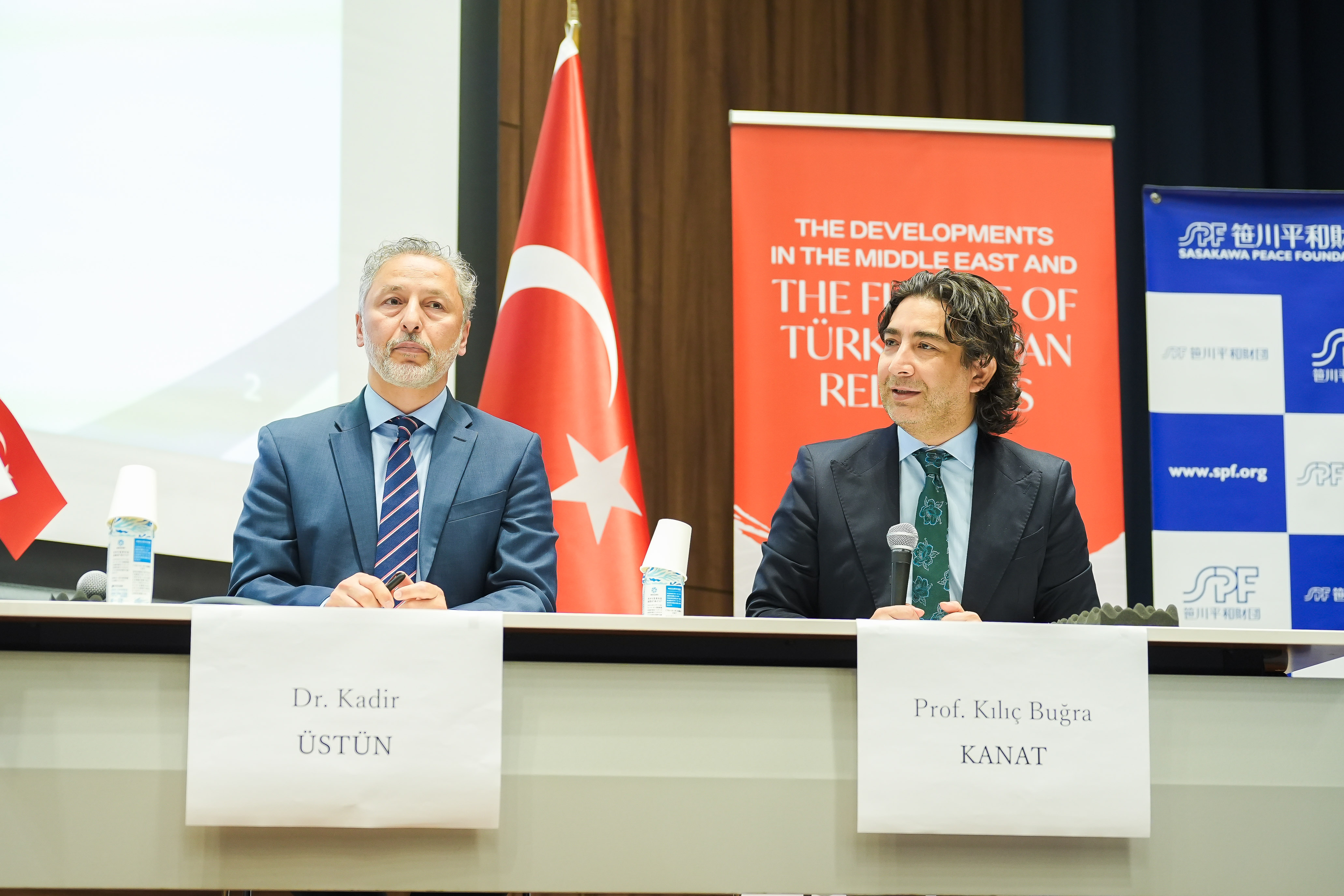
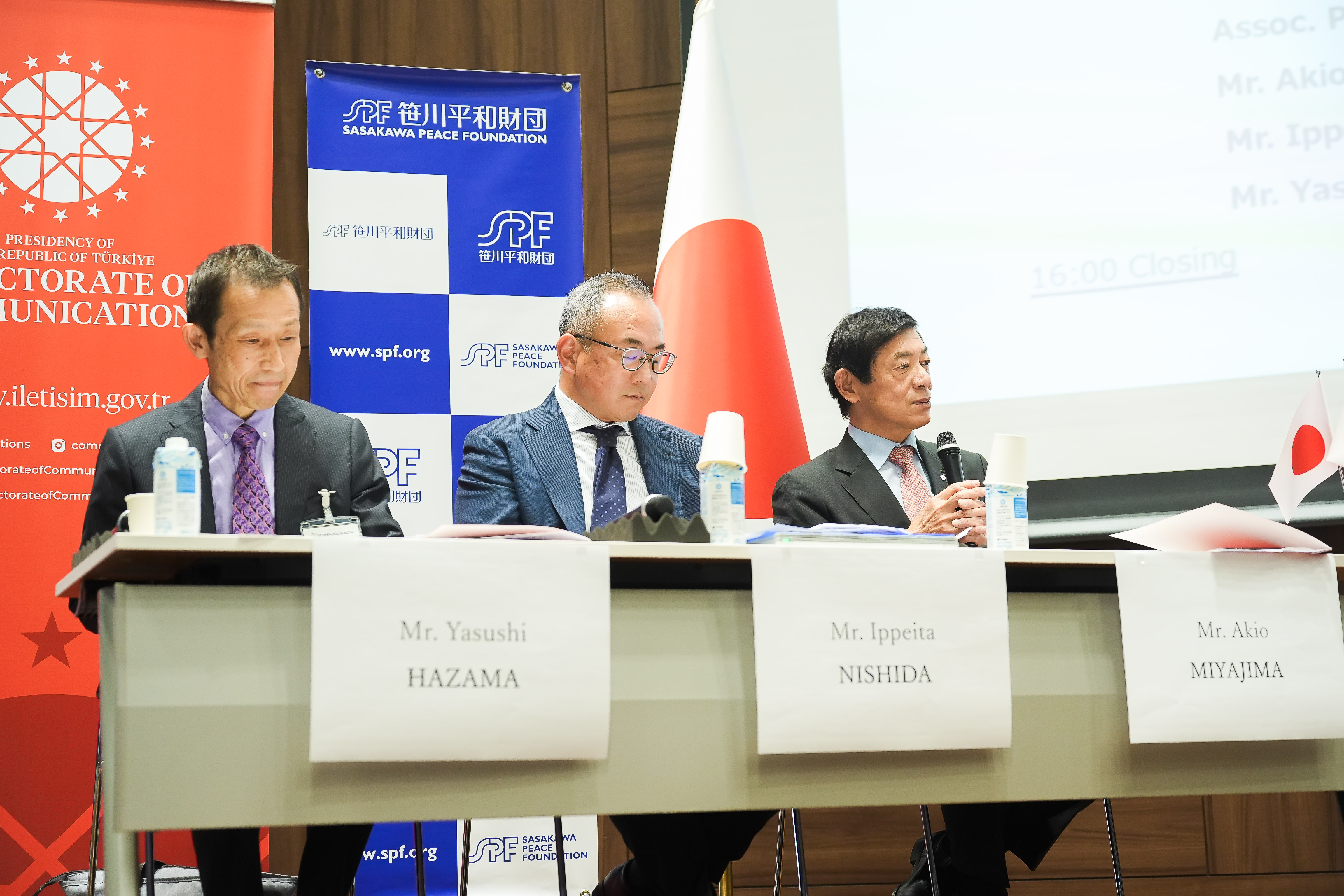
Outline of the Public Panel Session
Date and Time: Tuesday, 21 April 2026, 14:00–16:00
Venue: International Conference Hall, 11th Floor, Sasakawa Peace Foundation Building
Speakers:
Opening Remarks
Venue: International Conference Hall, 11th Floor, Sasakawa Peace Foundation Building
Speakers:
Opening Remarks
- H.E. Mr. Oğuzhan Ertuğrul, Ambassador of the Republic of Türkiye to Japan
- Mr. Hajime Adachi, Executive Director, Sasakawa Peace Foundation
- Prof. Burhanettin Duran, Head of Communications, Presidency of the Republic of Türkiye (Written Message)
- Prof. Kılıç Buğra Kanat
Member of the Security and Foreign Policy Council of the Presidency of the Republic of Türkiye;
Research Director, SETA Washington, D.C.
- Amb. Akio Miyajima, Former Ambassador of Japan to the Republic of Türkiye
- Dr. Yasushi Hazama, Senior Research Fellow, IDE-JETRO
- Mr. Ippeita Nishida, Senior Fellow, Sasakawa Peace Foundation
- Dr. Kadir Üstün, Director, SETA Washington, D.C.
- Prof. Murat Yeşiltaş, Professor, Social Sciences University of Ankara; Director of Foreign Policy Studies, SETA
- Assoc. Prof. Murat Aslan, Associate Professor, Hasan Kalyoncu University; Researcher, SETA
※Please refrain from taking screenshots or reproducing any images without prior permission.