Sasakawa Peace Foundation

日本語
  • About SPF
    • About Us
      • About Us
      • History
      • Program Policy and Five Priority Goals
      • Board Members
      • Diversity and Inclusion
      • Financial Position
      • Honorary Chair's Message Archive
      • Activities Before 2017
    • President's Message
    • Integrated Report
    • Access
    • Idea Submission
    • Careers
    • Contact Us
  • Experts
  • Programs
    • Japan-U.S. and Security Studies Unit
    • General Affairs and Networking Program
    • National Security and Japan-U.S. Program
    • Strategy and Deterrence Program
    • Asia and Middle East Unit
    • Strategic Dialogue and Exchange Program
    • Peacebuilding Program
    • Social Innovation Program
    • Sasakawa Japan-China Friendship Program
    • Ocean Policy Research Institute
    • Division of Ocean Vision and Action
    • Division of Island Nations
    • Scholarship Unit
    • Sasakawa Scholarship Program
  • Research & Analysis
    • Reports and Publications
    • Essays and Commentary
    • SPF Now Interviews
    • Videos
    • Podcasts
    • Browse by Regions
    • Regions
    • Americas
    • Northeast Asia
    • Southeast Asia
    • South Asia
    • Middle East
    • Oceania
    • Europe and Eurasia
    • Arctic
    • Africa
    • Satellite Sites
    • International Information Network Analysis
    • SPF China Observer
    • Asia Women Impact Fund
    • The OPRI Center of Island Studies
    • The Friends of WMU, Japan
    • SPF Insights into Japan–U.S. Relations
    • From the Oceans
    • Asia Peacebuilding Initiatives (APBI)
    • History of the Sasakawa Japan-China Friendship Program
      (Japanese language)
    • Japan-China Relations Data Graph (Japanese language)
    • Third Pole Project
  • News
    • News
    • Press Releases
    • SPF Newsletter
    • Media Coverage
  • Events
Social Innovation Program

Solving Social Issues Through Entrepreneurship Vol.8

Atelier: A Japanese Entrepreneur Tackling Distribution Challenges in Rural Cambodia

Sasakawa Peace Foundation


August 1, 2025

Female owner of a small retail shop (Photo: provided by Atelier)

Since 2022, the Sasakawa Peace Foundation has been operating the “Cnai Accelerator Program” in Cambodia. This program is modeled after the Santhit Accelerator Program, which we developed and rolled out jointly with a Myanmar-based venture capital firm, Emerging Market Entrepreneurs (EME) in 2021. Both programs incorporate the incubation curriculum of Village Capital, a globally renowned early-stage venture capital firm.
 
“Cnai” – meaning “innovation” in Khmer – is a program which incorporates a gender lens, and is committed to creating an equitable learning environment where female entrepreneurs can participate on equal footing with male counterparts. Each phase entails the selection of a cohort of entrepreneurs, who receive funding and guidance towards the expansion of their businesses with ongoing support being provided by program partners.
 
Since the end of 2023, the program has been in its second phase. We have added new partners, such as Khmer Enterprise, a Cambodian government agency, HarvestIII, a U.S. government agency, and CAPRED (Cambodia-Australia Partnership for Resilient Economic Development) to the project. Building on our existing partnership with ADB Frontier, we have through these new relationships been able to further enhance the community-building potential and strength of the overall curriculum.
 
We spoke with the finalist entrepreneurs of the second phase about their entrepreneurial stories, challenges, and how they contribute aim to solve social issues through their businesses.
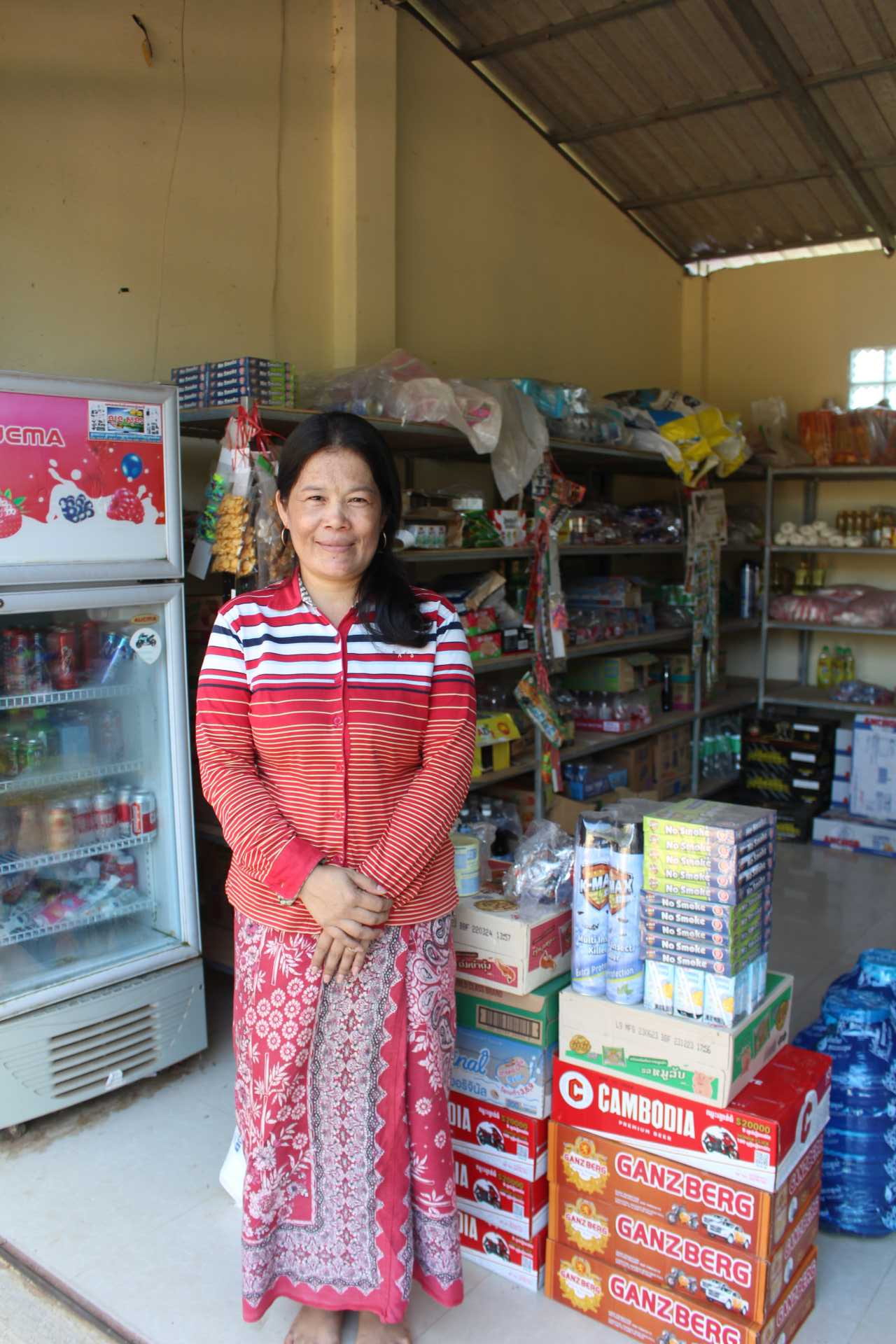
As part of the second cohort’s fourth feature, we spoke with Ryo Nakano, a young Japanese entrepreneur who founded the startup ATELIER in Cambodia in 2021. Based in the provincial city of Battambang, ATELIER provides a B2B e-commerce platform aimed at addressing distribution challenges in rural areas. Notably, 99% of the small retail shop owners who make up the company’s customer base are women.

In this interview, we explored Nakano’s journey to entrepreneurship, his efforts to tackle social issues through business, and the unique challenges faced by Japanese entrepreneurs starting ventures abroad.

―― What inspired you to start ATELIER, and what was your vision behind its founding?

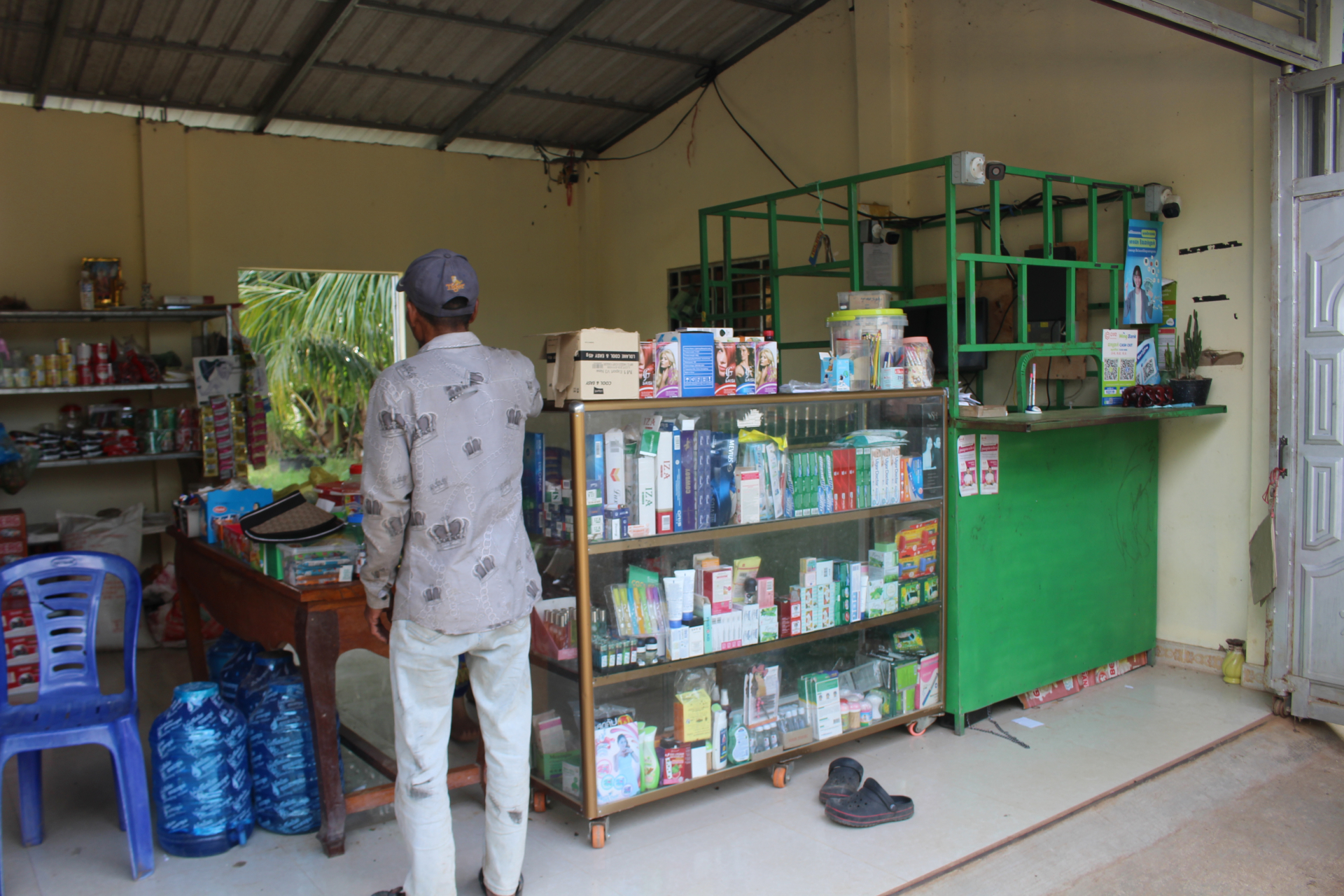
A small retail shop (Photo: provided by Atelier)

I was born and raised in a rural town in Ehime Prefecture, surrounded by nature, which I’ve always loved. With a desire to work in agriculture or fisheries in the future, I majored in physical oceanography at university. During my studies, I took a two-year leave of absence to travel as a backpacker, visiting rural communities around the world. Later, I joined the “Tobitate! Study Abroad JAPAN” program by Japan’s Ministry of Education and interned at AGRIBUDDY, an agritech startup in Cambodia that provides one-stop services for small-scale farmers. My role involved supporting farmers by providing information and acting as a bridge between them and microfinance institutions.

After graduating, I continued working at AGRIBUDDY and lived in a rural area of Siem Reap. There, I witnessed the significant gap between urban and rural areas in Cambodia. Despite nearly 70% of the population living in rural regions, access to goods and financial services is limited, and there are major challenges in transporting harvested crops to market efficiently. Believing that improving rural distribution could have a meaningful impact, I founded ATELIER, a B2B e-commerce platform designed to address these issues.After gaining two years of work experience, I launched the business with support from a Japanese angel investor. I started out alone, but now I’m joined by a junior from my university, and we operate as a team.

Even after graduating from the Cnai program, I’ve continued working on fundraising to expand the business, engaging in discussions with angel investors and local venture capital (VC) firms, and actively participating in pitch contests.

―― Can you explain how ATELIER's business model works?

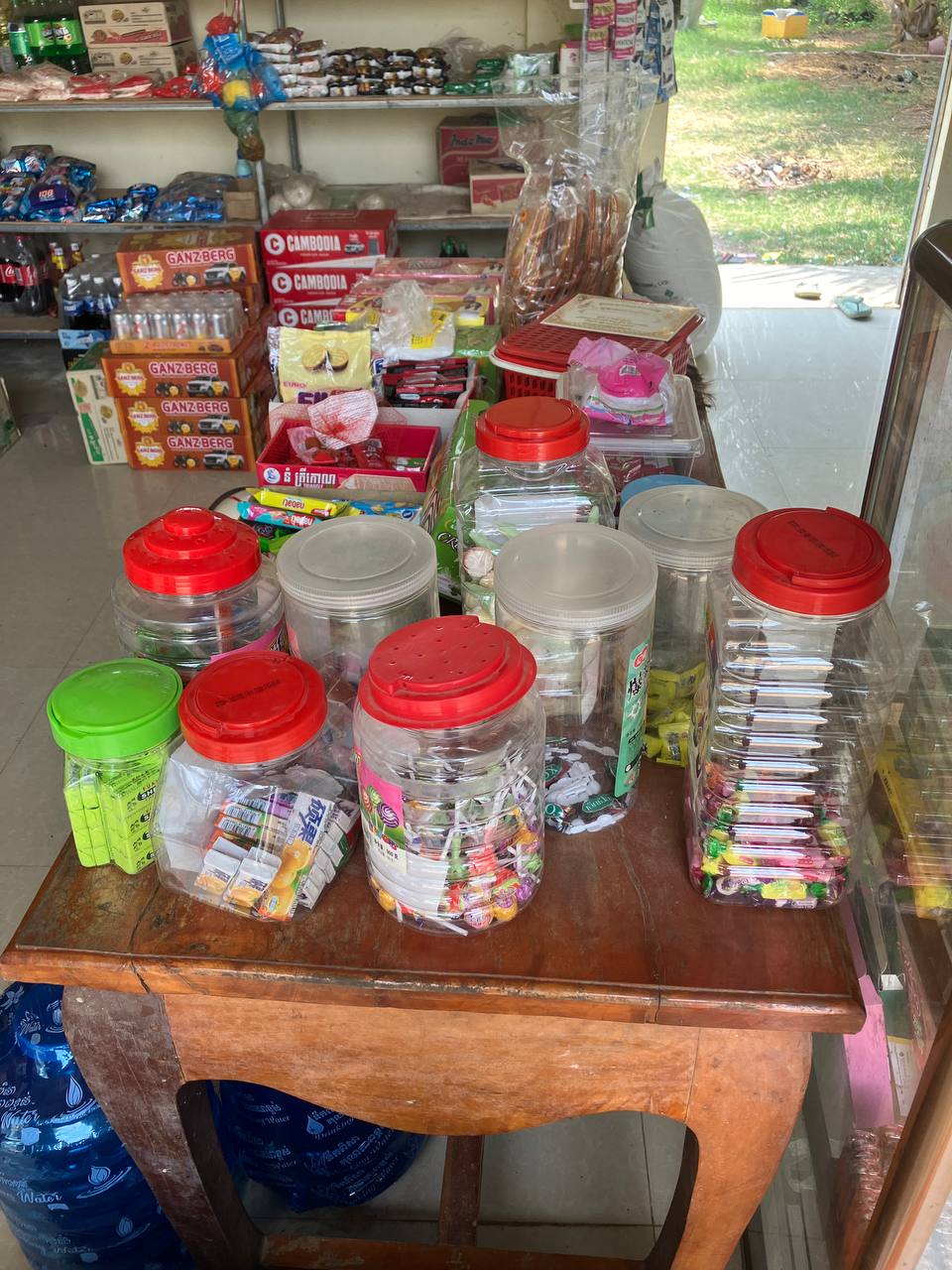
A small retail shop (Photo: provided by Atelier)

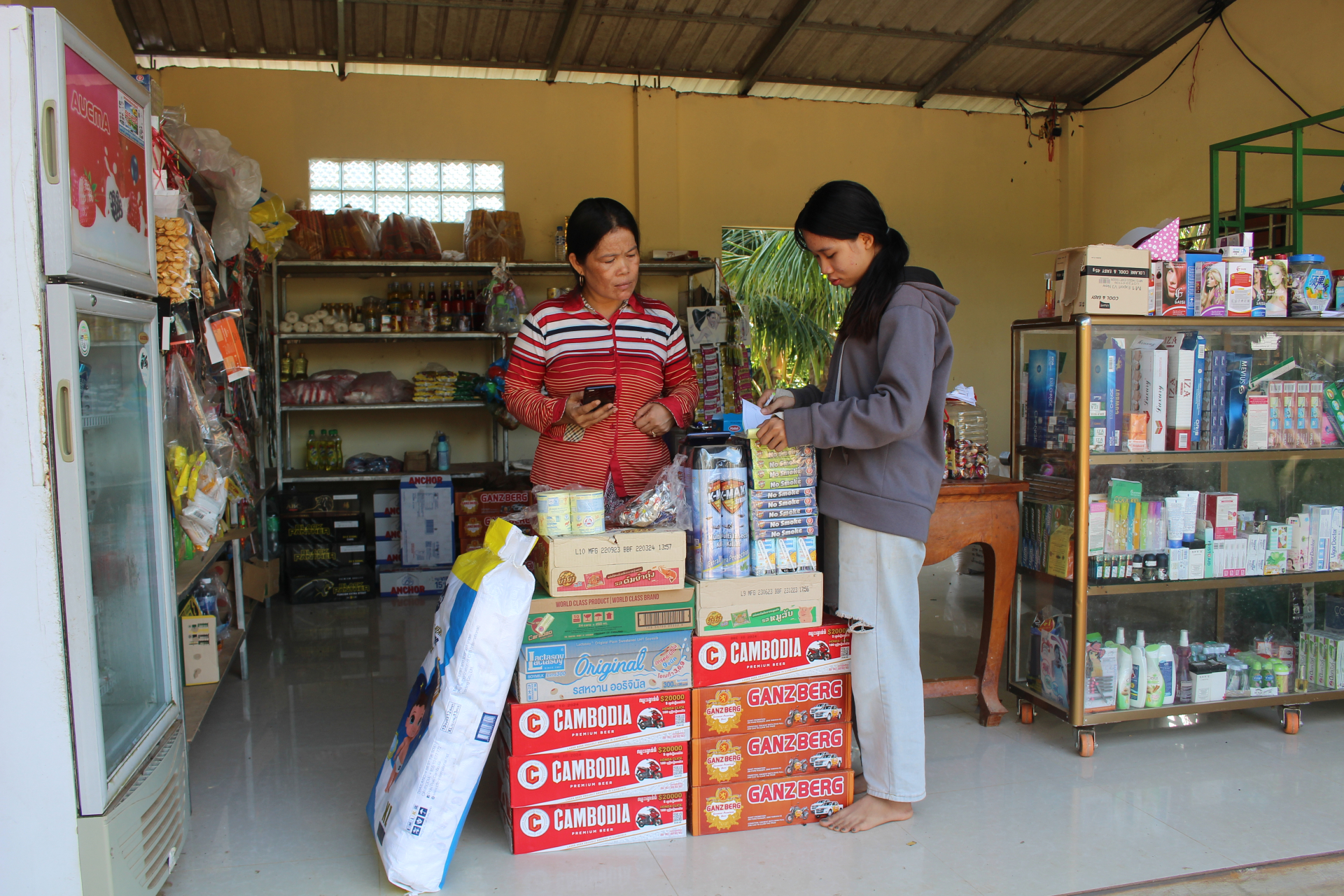
In rural Cambodia, there are many small retail shops, the vast majority of which are run by women. However, due to underdeveloped distribution infrastructure, there is a significant gap between urban and rural areas in terms of access to essential goods. Most daily necessities can only be sourced from urban centers, forcing shop owners to spend up to three hours traveling for supplies—despite earning only around $30 in daily sales.
To address this issue, ATELIER has developed a B2B e-commerce platform. Currently, the company operates by receiving individual orders from small retailers based on its product catalog and delivering goods from the capital to rural areas. However, challenges remain, such as the small volume of individual orders and the fact that many shop owners lack access to the internet or apps like Telegram.

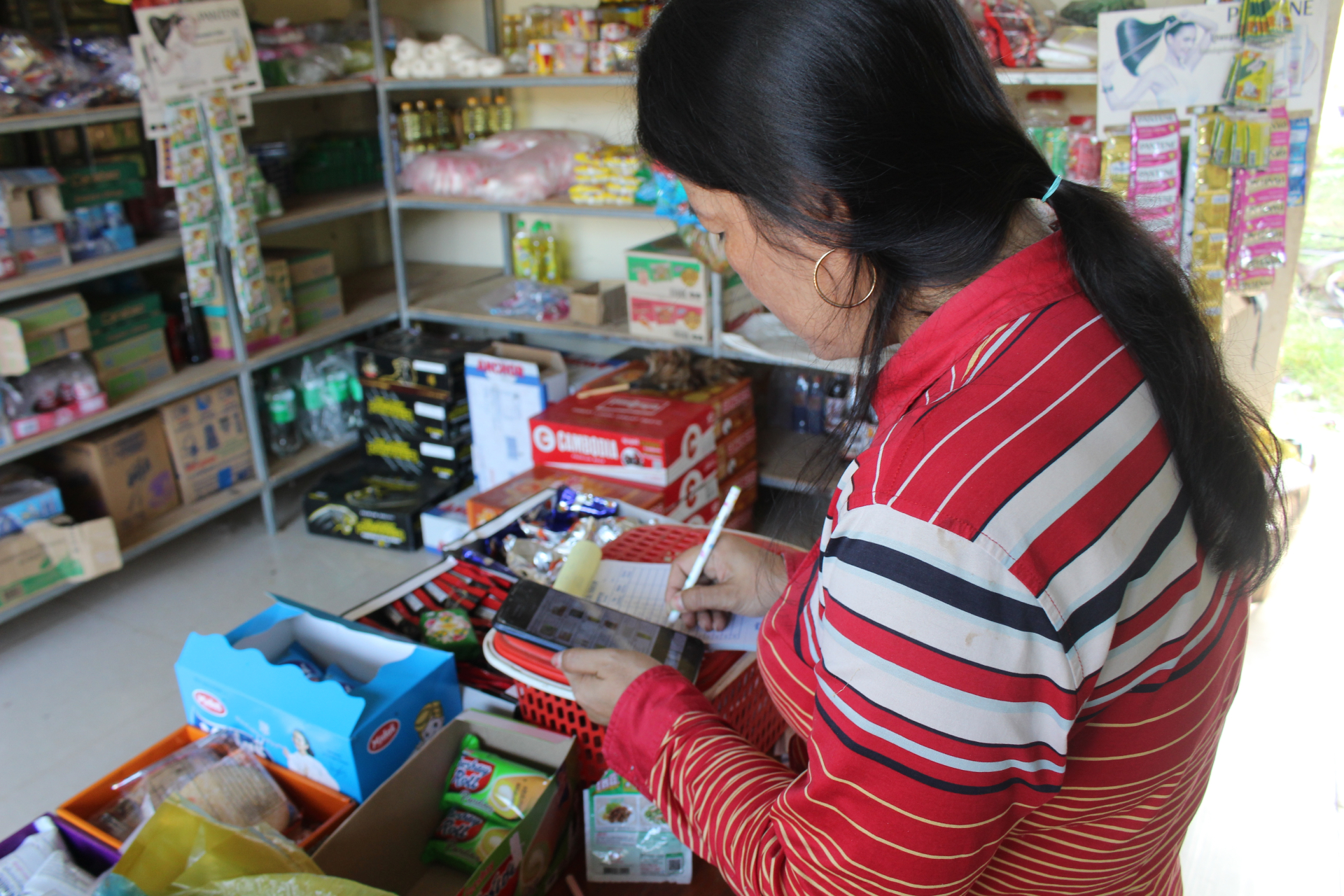
To overcome this, ATELIER introduced the role of “community leaders,” who consolidate orders from 20 to 40 shops within a local area and place a single bulk order with ATELIER. This system allows shop owners without smartphones to still access the service.

In addition, ATELIER has adopted a franchise model, with three retail shops currently handling orders on its behalf. Once funding is secured, the company plans to develop a dedicated app to streamline the ordering process. For now, product catalogs are shared via Telegram and Facebook, and orders are placed online or by phone, with deliveries made within two days.
 

―― What led you to participate in the Cnai Accelerator Program, and what part of the learning experience has stood out to you?

A small retail shop (Photo: provided by Atelier)

I was introduced to the program by Daneth from Tenbox, a finalist from the first cohort, and that’s how I came to participate. Looking back, I’m really glad I joined. Not only did it help improve our business model, but it also allowed me to build valuable connections with investors. The support team was incredibly dedicated and provided hands-on guidance, which was very reassuring.

The program also offered practical courses, such as an advanced Excel class, which gave me skills I could immediately apply to my work. One of the most memorable sessions was on gender perspectives. It explored how to incorporate gender-sensitive approaches into corporate culture in a way that aligns with Cambodian values, and I found it deeply insightful.

If I had to mention one challenge, it would be the amount of homework—there was quite a lot each time!

―― What difficulties do Japanese entrepreneurs face when starting a business in Cambodia?

Small business retailer submitting an order to Atelier (Photo: Provided by Atelier)

One of the first challenges in expanding a business in Cambodia is securing reliable local talent. Skilled professionals tend to be concentrated in urban areas, making it difficult to find trustworthy personnel in rural regions. In some cases, Japanese entrepreneurs have even suffered financial losses due to being deceived by local partners.

Additionally, many entrepreneurship support programs in Cambodia are donor-driven and primarily designed for Cambodian nationals, meaning foreign entrepreneurs are often ineligible to participate. For example, JICA’s support programs are only available to companies with headquarters in Japan. Given this context, I strongly feel the need for local partners who understand the unique challenges faced by foreign entrepreneurs and are willing to overcome them together.

Furthermore, Cambodia’s small population and limited market size make it difficult to attract venture capital (VC) investment. Most VCs expect startups to scale to at least one million dollars in revenue within five years, which is hard to achieve within Cambodia alone. As a result, expanding into neighboring countries such as Vietnam or the Philippines is likely necessary in the future.

In terms of fundraising, while there are options such as grants, microfinance, and bank loans available at the seed stage, there is a significant funding gap in the “missing middle” range of $100,000 to $300,000. Unlike countries like Indonesia or the Philippines, Cambodia lacks a well-established network of angel investors. Therefore, our current strategy is to grow revenue through grants and bank loans, scale the business, and then seek funding from small-scale VCs.

―― Could you tell us about your future plans?

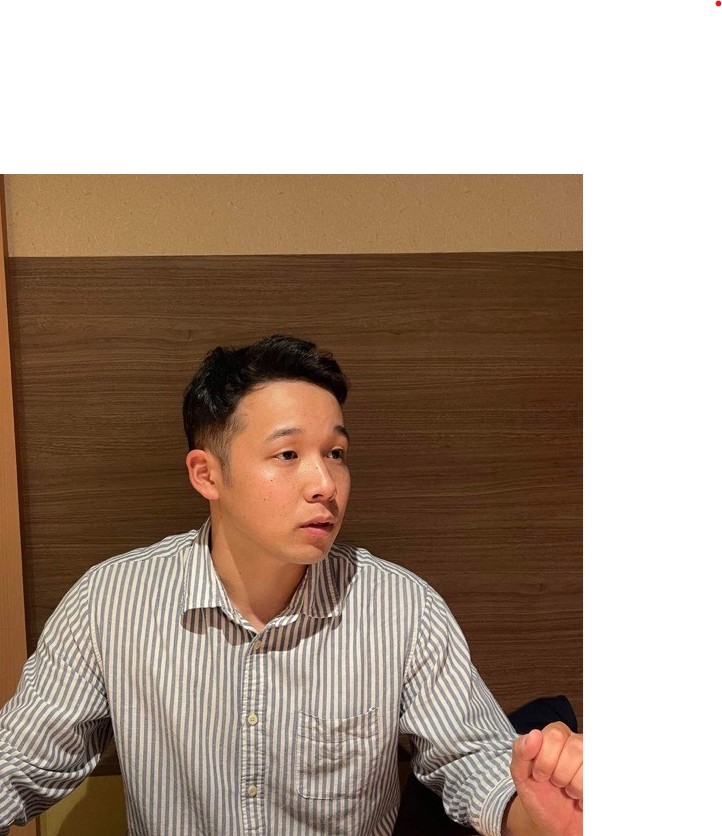
Mr. Ryo Nakano, CEO of Atelier (Photo: Provided by Atelier)

Currently, our sales in Battambang are gradually increasing, and we are considering expanding our operations to other areas such as Siem Reap and Pursat Province in the west. In parallel, we are working on developing a dedicated mobile app that will include features such as payment processing and transaction history tracking with our company. This transaction history, or credit history, will be particularly valuable for our customers—small-scale retailers—when applying for loans from financial institutions. Through the app, we aim to improve their access to finance.

At the same time, Cambodia is facing a growing issue of over-indebtedness due to the rapid spread of microfinance. This has made us keenly aware of the importance of financial literacy education. We are currently seeking NGO partners who can help lead educational initiatives in this area.
With the motto “Unlocking Rural Potential,” we are committed to building a sustainable, community-based business that empowers rural areas and the people who live there.

―― Editor's Postscript

Mr. Ryo Nakano, who had long aspired to become an entrepreneur, founded the startup ATELIER just two years after graduating from university, having secured funding from angel investors. His proactive attitude—constantly learning, taking action, and embracing new challenges—is truly inspiring.

The angel investors who have supported ATELIER so far did not invest for short-term returns. Rather, they believed in Ryo himself and the potential of his business, choosing to support him with a long-term perspective. Supporting young Japanese entrepreneurs like him, who are tackling global social issues through business, has been a meaningful part of our mission.

Looking ahead, we aim to continue leveraging the flexibility and broad networks unique to private foundation to nurture the next generation of talent and empower young people to take on global challenges.


(Written by Etsuko Ito, Program Officer, Social Innovation Program of the Sasakawa Peace Foundation)


Social Innovation Program
Share

Related Articles

Latest News

Social Innovation Program

Event Report: Impact Measurement and Management (IMM) for Gender Lens Investing (GLI)

2X Global, Brightlight Group, and the Sasakawa Peace Foundation hosted an Impact Measurement & Management (IMM) workshop designed for LPs and GPs to dive deeper into the IMM for gender lens investing and GLI+ strategy. We explored ways to build a GLI IMM framework, including designing and framing, integrating gender lens into the investment process, impact rating and risk analysis, manager engagement, and reporting.

March 25, 2024
Social Innovation Program

Event Report: Mainstreaming Gender Lens Investing in Northeast Asia

Gender Lens Investing (GLI), which evaluates potential value and risk while consciously incorporating a gender perspective into investment decisions, is gaining traction around the world as a ‘smart investment technique.’ Even investors who are not familiar with impact investing are starting to explore the potential of GLI. On the other hand, GLI is relatively underdeveloped in the Northeast Asia region.

January 11, 2023
Social Innovation Program

Event Report: Building Back Better by Empowering Women Entrepreneurs

Women entrepreneurs are reportedly finding it more difficult to access marketplaces and funding as a result of the Covid-19 pandemic. What kind of help does "Building Back Better" require from entrepreneur support organizations and investors for women entrepreneurs?

January 11, 2023
Browse Latest News

pagetop

Video Title

Footer

Sasakawa Peace Foundation

  • About SPF
  • News
  • Experts
  • Events
  • Programs
  • Access
  • Research & Analysis
  • Contact Us

Latest Updates

Receive regular updates about news, events, and research from the Sasakawa Peace Foundation

Sign Up to Our Newsletter

Satellite Sites

  • From the Oceans
  • The Friends of WMU Japan
  • Asia Women Impact Fund
  • Insights into Japan–U.S. Relations
  • International Information Network Analysis (IINA)
  • The OPRI Center of Island Studies
  • SPF China Observer
  • Asia Peacebuilding Initiatives (APBI)
  • History of the Sasakawa Japan-China Friendship Program (Japanese language)
  • Japan-China Relations Data Graph (Japanese language)
  • Third Pole Project
  • PRIVACY POLICY
  • SITE POLICY
  • SOCIAL MEDIA POLICY
  • SITE MAP
  • WEB ACCESSIBILITY POLICY

Copyright © 2021 The Sasakawa Peace Foundation. All Rights Reserved.