News
[Event Report] Symposium: “Working together to address ocean stewardship opportunities – SeaBOS experience”
SeaBOS (Seafood Business for Ocean Stewardship) is a time-bound initiative launched in 2016, bringing together leading global seafood companies and academic institutions to advance a transition toward a sustainable seafood industry. As its ten years of activities draw to a close, the symposium reflected on the achievements and challenges of collaboration between science and business and explored opportunities for future cooperation to conserve the marine environment and promote the sustainable use of the ocean.
Following opening remarks by Dr. Mitsutaku Makino, President of OPRI, three speakers delivered presentations on the current state of ocean stewardship, the challenges it faces, and its future direction, both globally and in Japan.
Professor Henrik Österblom of the Stockholm Resilience Centre gave a presentation entitled “Global ocean stewardship – challenges and emerging opportunities.” Against the backdrop of the ocean’s vital role in supporting the climate and the economy, and the rapid expansion of its use, he introduced the experience of SeaBOS as a collaboration between scientists and seafood companies (Photo 1). He outlined initiatives to reduce greenhouse gas emissions and plastic use, assess biodiversity risks, and address human rights issues. He emphasized the importance of building trust through sustained dialogue, strengthening collaboration within companies, and fostering changes in corporate mindsets. He also discussed the potential for Japanese companies to exercise leadership in future ocean conservation efforts by drawing on their capabilities and networks.
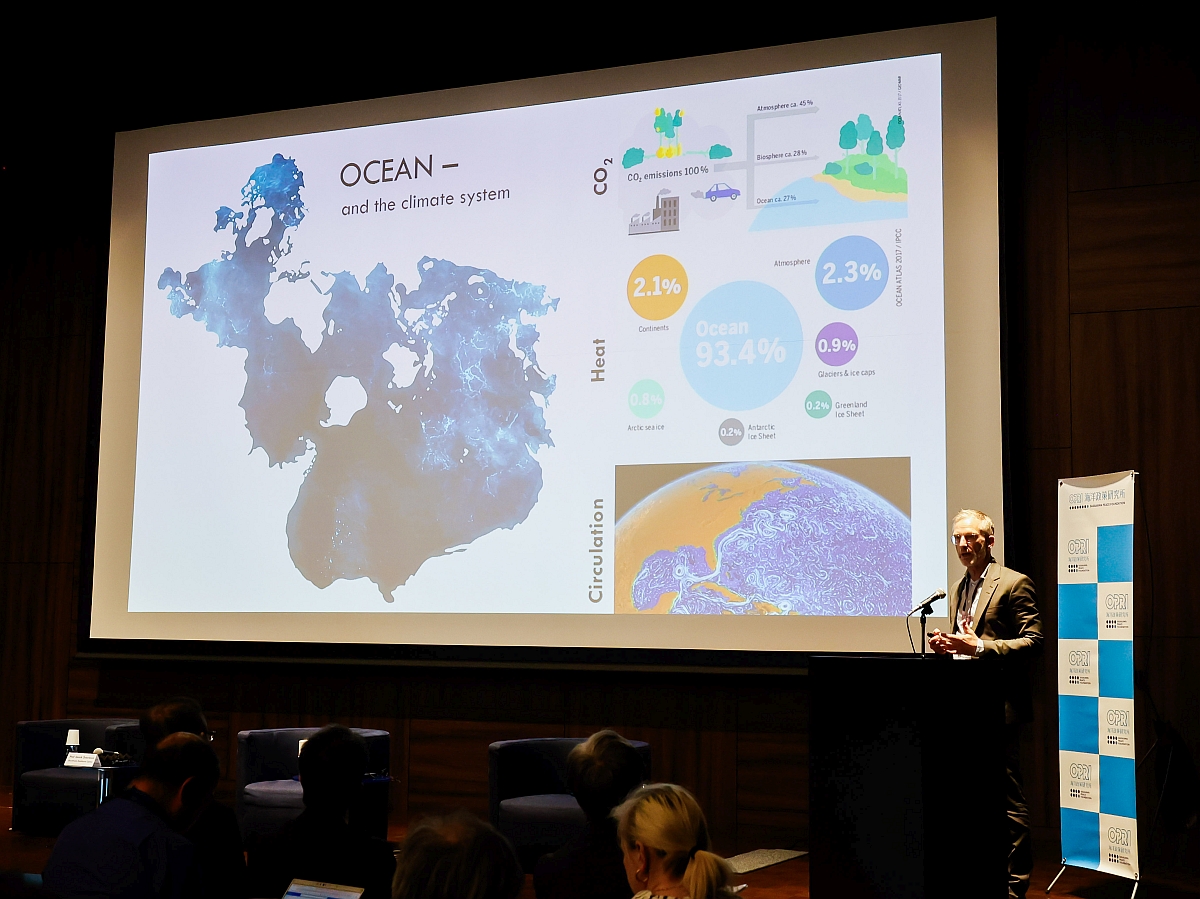
Photo 1. Professor Österblom delivering his presentation
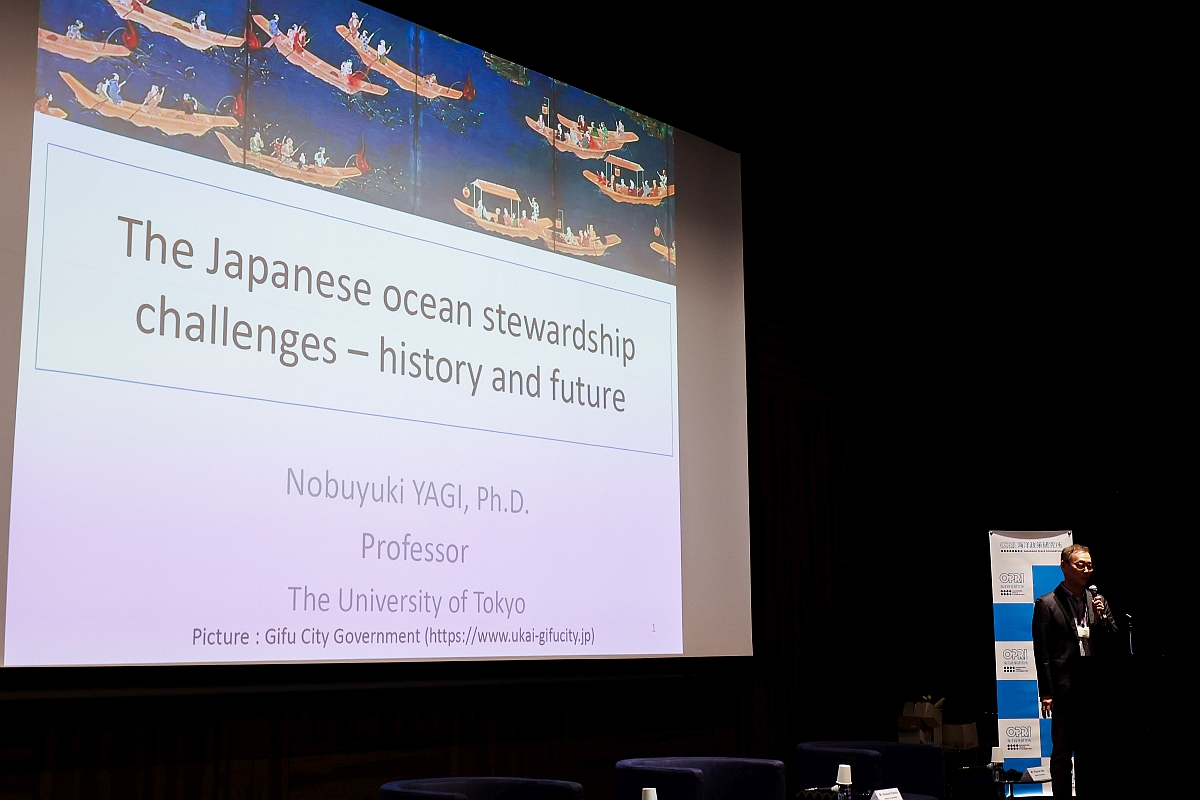
Photo 2. Professor Yagi delivering his presentation
Mr. Tetsuya Kawashima, Director of the International Affairs Division, Resources Management Department, Fisheries Agency of Japan, gave a presentation entitled “Key challenges and priorities for the Japanese seafood sector” (Photo 3). Against a backdrop of poor catches of major fish species and changes in the distribution and migration of fishery resources associated with rising sea temperatures and other factors, he introduced efforts to improve stock assessments by establishing survey systems involving fishers and using fish-finder data, review existing fisheries regulations, and diversify or shift fishing methods and target species. He also outlined measures to conserve the marine environment, including international cooperation to prevent illegal, unreported and unregulated (IUU) fishing; mandatory information transmission and record-keeping in seafood distribution under the Act on Ensuring the Proper Domestic Distribution and Importation of Specified Aquatic Animals and Plants; the proper management, retrieval, and recycling of fishing gear; and the development of biodegradable fishing gear.
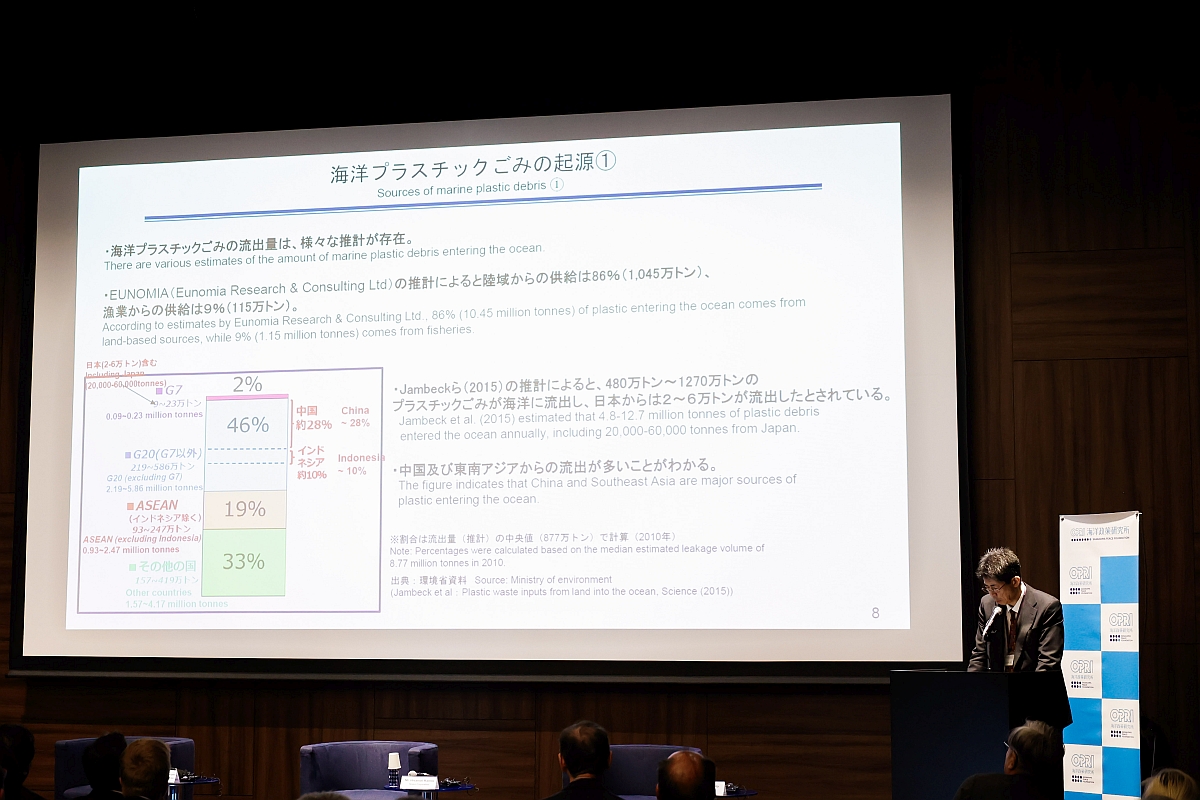
Photo 3. Mr. Kawashima delivering his presentation
The panel discussion was moderated by Professor Österblom and featured Mr. Hisanori Kanno, Deputy General Manager of the Sustainability Department at Nissui Corporation, and Mr. Hiroyuki Sato, Manager of the Sustainability Group in the Sustainability Strategy Department at Umios Corporation (Photo 4). The discussion explored how sustainability initiatives had evolved within their companies, the significance of SeaBOS, and the experiences and lessons gained from collaboration among companies and with scientists.
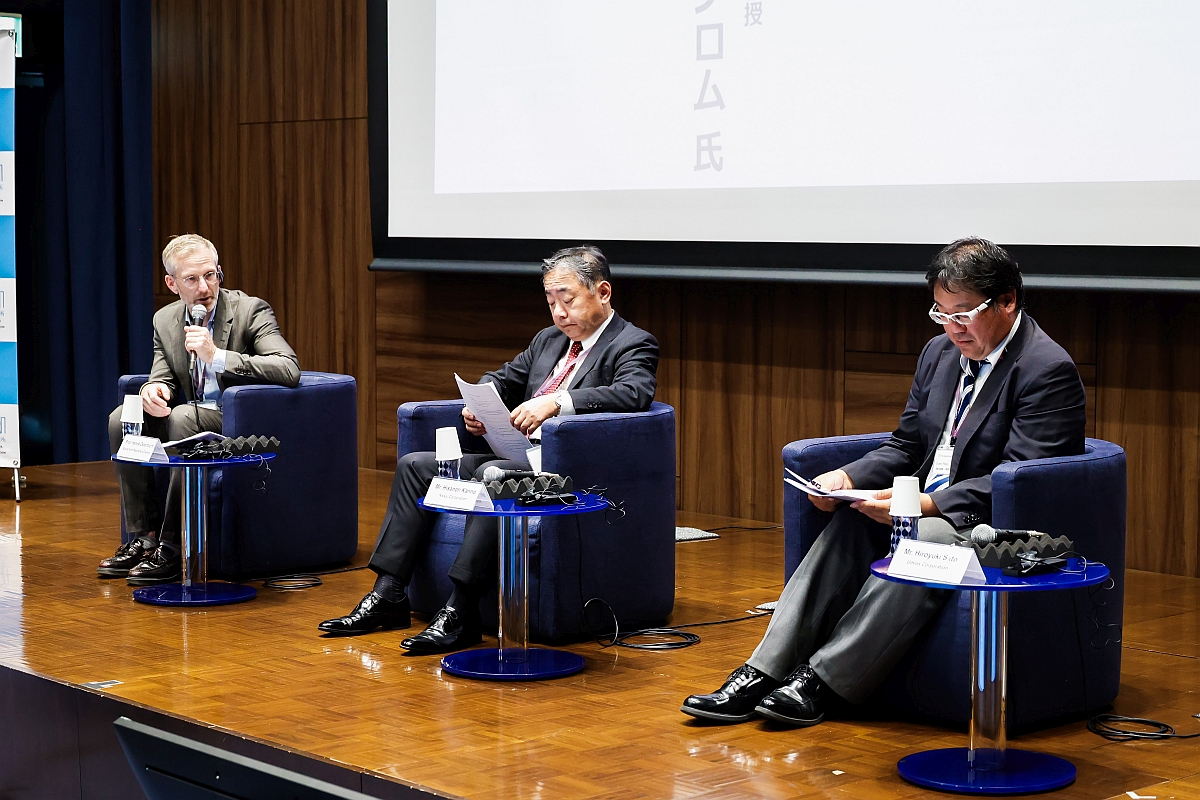
Photo 4. The panel discussion
A key contribution of SeaBOS was its creation of a forum for dialogue in which companies and scientists could identify shared challenges on the basis of scientific knowledge and address issues concerning the marine environment and fishery resources that would be difficult for any one company to tackle alone. Opportunities to compare and evaluate corporate initiatives from an international perspective, together with exchanges that transcended commercial competition, broadened perspectives on sustainability and encouraged companies to strengthen their efforts. At the same time, the discussion identified the challenge of moving beyond shared principles and goals to focus on specific themes, clarify roles, and achieve tangible results. The need to understand differences in the challenges companies face and the pace of their efforts, and to connect the challenges shared through SeaBOS with those faced by individual companies, was also highlighted. Another important lesson was the value of relationships in which scientists and businesses understand one another’s language and ways of thinking and learn from their different perspectives. Looking ahead, the discussion underscored the need to draw on the knowledge and experience of Japanese companies and scientists, not merely to accept international rules, but also to participate in and contribute to policy development.
The subsequent open discussion was moderated by Dr. Makino, with Professor Österblom, Mr. Kanno, and Mr. Sato joining as panelists (Photo 5). A lively exchange involving the audience explored the challenges and priorities that companies and research institutions should focus on, future directions for collaboration, and prospects for cooperation in Japan.
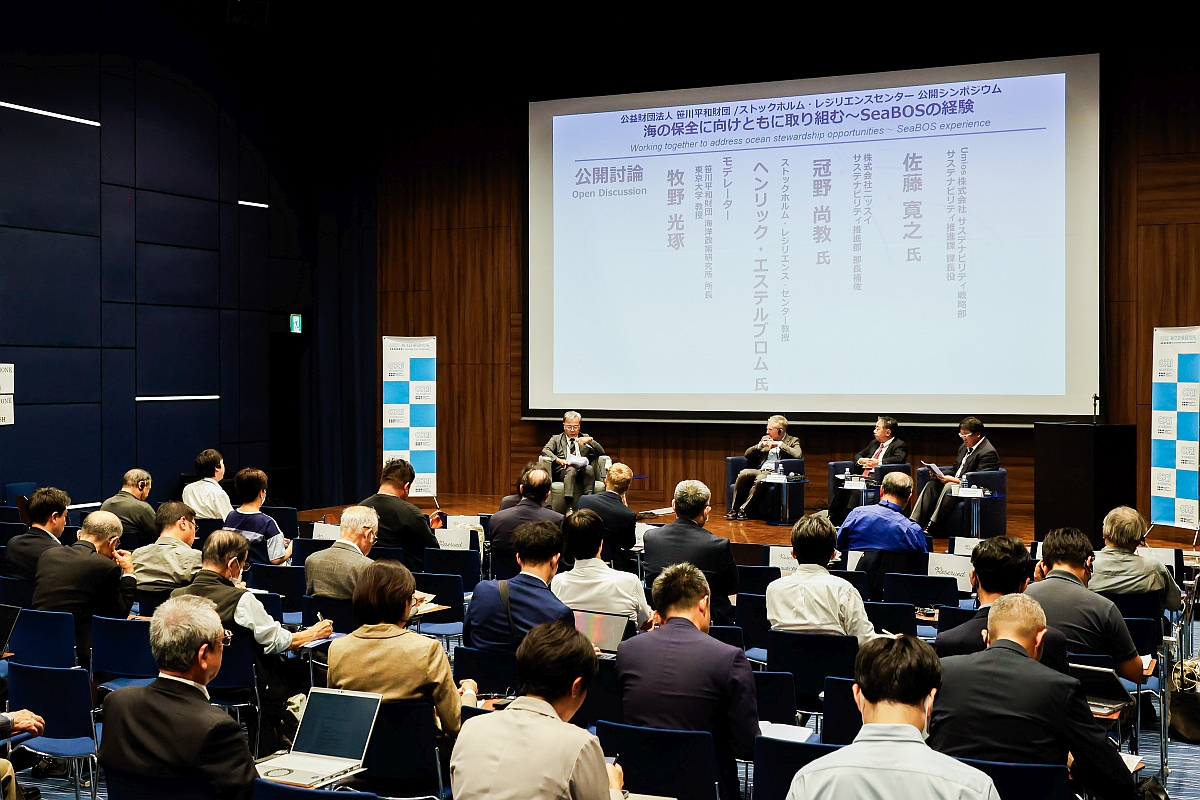
Photo 5. The open discussion
Future priorities identified included ensuring the sustainability of fishery resources, taking an international perspective in advancing responsible aquaculture and developing supply chains. The discussion also raised risks associated with aquaculture, the balance between major companies and local businesses, and the role of Japanese companies in conserving marine biodiversity. In considering partnerships to address these challenges, participants emphasized the importance of continuing collaboration among companies, drawing on scientific knowledge, and expanding cooperation with diverse stakeholders. They also exchanged views on how to support collaboration among companies, scientists, and other stakeholders.
The symposium reflected on how approaches to sustainability and practices across the global seafood industry had changed over SeaBOS’s ten years, while reaffirming the challenges that remain. The conclusion of SeaBOS’s activities does not mean the end of collaboration. The importance of carrying forward its achievements, the trust it has fostered, and its international networks as a legacy to support future collaboration was emphasized. The symposium concluded with a vision of building on these foundations to continue working toward ocean conservation and a sustainable seafood industry, even under a different name or framework.