News
[Event Report] From Climate Loss Assessment to Community Resilience: The Sri Lanka Experience Using the Climate Loss Index (CLIx)
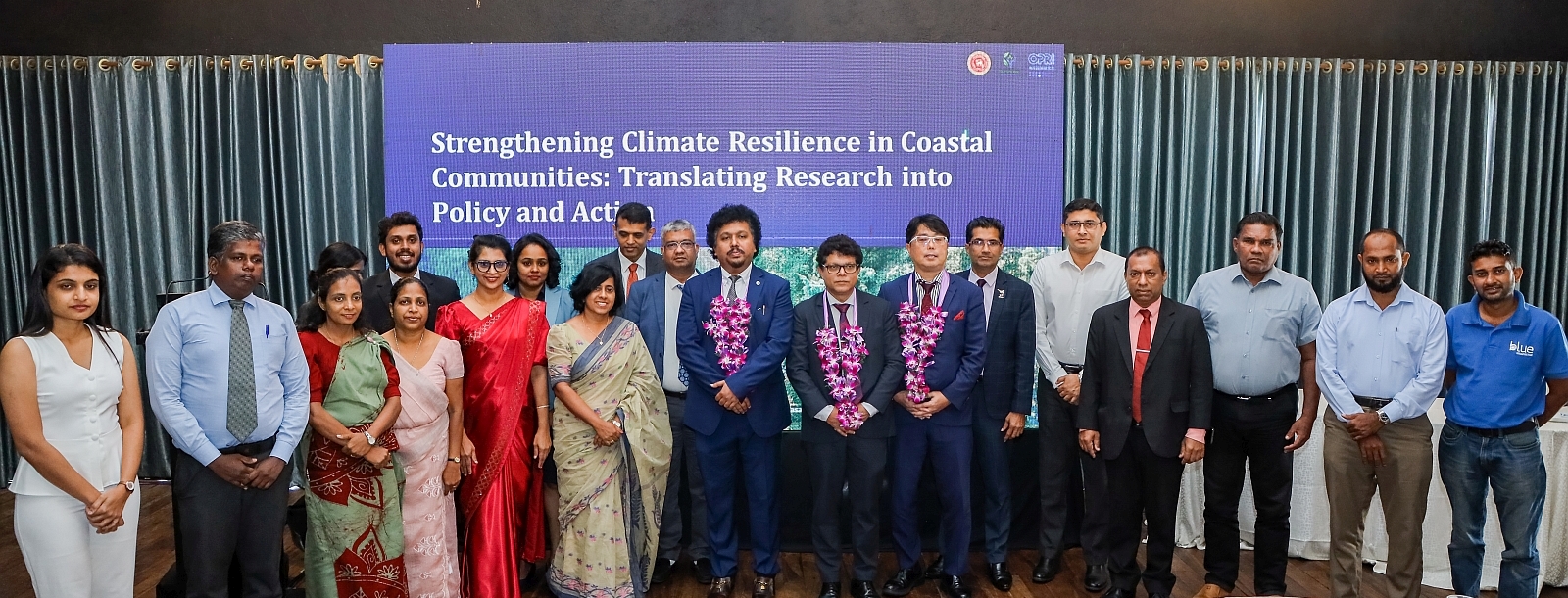
Dignitaries, organizers, and participants at the National Dissemination Workshop, Waters Edge
The event was hosted by the University of Peradeniya in collaboration with the Institute for Sustainable Innovations and the Ocean Policy Research Institute of the Sasakawa Peace Foundation, Japan.
Given the complex nature of climate change and the urgent need for climate action, climate research findings must extend beyond academic and disciplinary boundaries to effectively inform policy and practice. Assessing climate-induced loss and damage therefore requires trans-disciplinary collaboration and validation through the active engagement of diverse stakeholders. With this background, the workshop brought together researchers, policymakers, practitioners, and academia to discuss practical approaches for addressing climate-induced losses and damage in Sri Lanka’s coastal regions. A key focus of the workshop was the application of the Climate Loss Index (CLiX): an inclusive Community Engagement Framework to assess climate impacts in a vulnerable coastal community in Batticaloa.
The workshop was attended by Dr. Dhammika Patabendi, Hon. Minister of Environment, Sri Lanka; Mr. Hideyuki Shiozawa, Director, Division of Island Nations, OPRI, Sasakawa Peace Foundation, Japan; Dr. Emadul Islam, Senior Research Fellow, Ocean Policy Research Institute (OPRI), Sasakawa Peace Foundation, Japan and Prof. Terney Pradeep Kumara, Director General, Department of Coastal Conservation and Coastal Resource Management, along with representatives from the Accelerating Industries Climate Response in Sri Lanka initiative, the National Science Foundation, the Rural Development Training and Research Institute, Ocean University of Sri Lanka, Wayamba University of Sri Lanka, the Department of Agriculture and the Department of Agrarian Development in Batticaloa, the Marine Environment Protection Authority (MEPA), regional government agencies in Batticaloa, and non-governmental organizations.
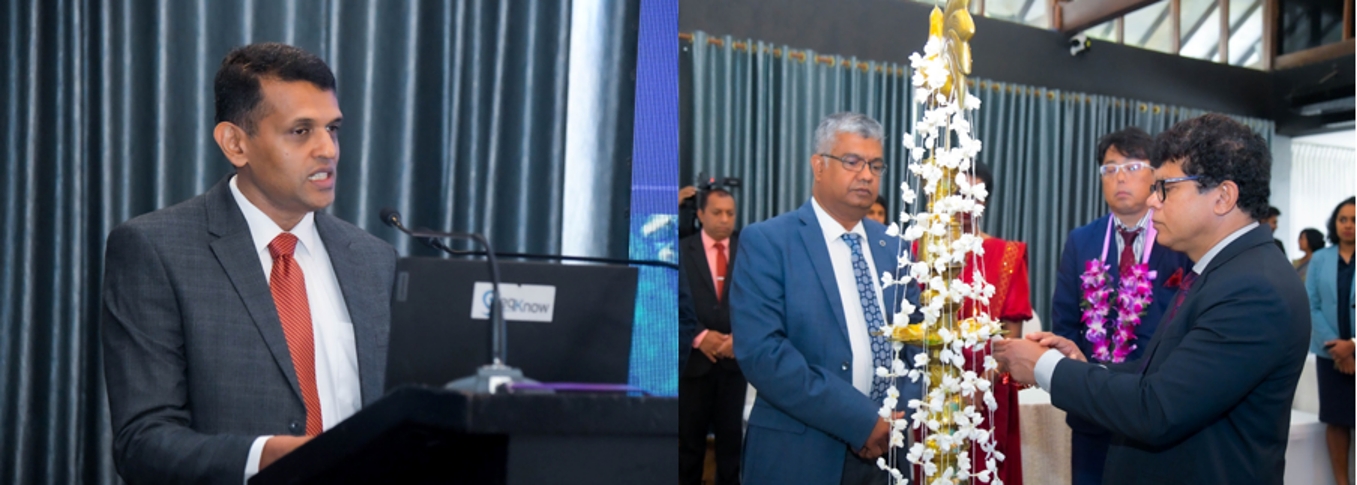
Welcome address and traditional lighting of the oil lamp
Providing an overview of the project, Dr Asela Kulatunga, Project Lead, Past Professor at the University of Peradeniya, and Director of the Institute for Sustainable Initiatives, introduced the climate loss and damage assessment initiative and outlined its objectives and expected policy contributions.
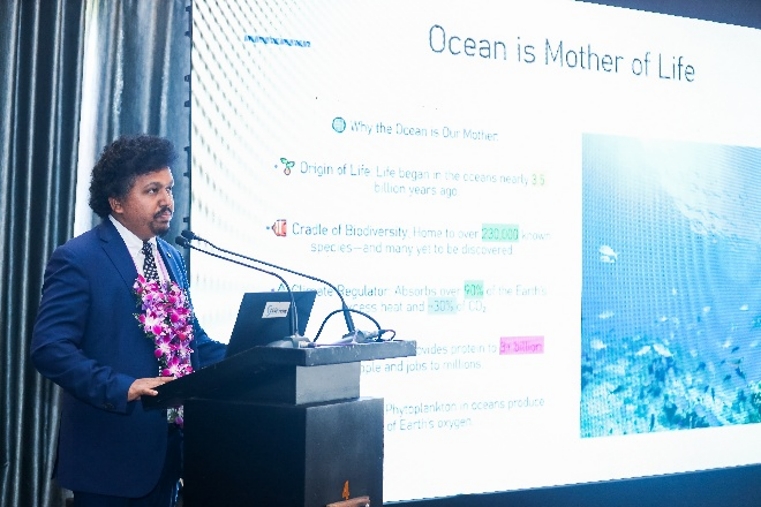
Speaking on the broader regional context, Dr Emadul Islam emphasised the critical role of oceans in sustaining life and the growing need to strengthen climate resilience among island nations.
"The ocean is the mother of life. It absorbs nearly 90% of excess heat, produces around 50% of the Earth's oxygen, and serves as the bloodstream of the global economy. However, the ocean is no longer healthy, with rising sea surface temperatures and many other climate-related stresses. That is why we focus on understanding climate risks and strengthening resilience among island nations in the Indian Ocean, including Sri Lanka."
Building on this perspective, Mr Hideyuki Shiozawa highlighted the importance of recognising the unique circumstances of individual island nations.
"Small island nations are often viewed as a homogeneous group at the global level, but each nation faces unique climate risks and challenges. We need stronger dialogue and networks among island nations for disaster risk management, supported by evidence-based policies grounded in a better understanding of climate impacts at the community level."
Adding further perspective, Prof. Terney Pradeep Kumara emphasised the vital role of oceans and the unique climate vulnerabilities faced by island nations.
"The ocean makes our planet a liveable place. As an island nation, Sri Lanka derives enormous benefits from the ocean, yet we are also among the most vulnerable to climate change. Coastal communities and ecosystems are increasingly affected by climate-induced events such as cyclones and El Niño, which often receive insufficient attention."
Prof. Kumara also highlighted the Government's ongoing efforts to restore and conserve coastal ecosystems affected by climate-related events. He emphasised the importance of incorporating the social dimensions of climate impacts into future research and policymaking, and noted that holistic approaches, such as the Climate Loss Index (CLiX) framework, provide valuable platforms for evidence-based policy dialogue. He concluded by expressing his commitment to strengthening collaboration among research institutions, government agencies, and other stakeholders to build healthier, more resilient coastal communities.
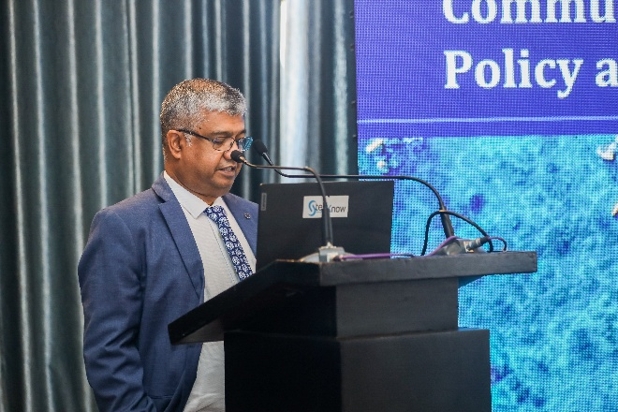
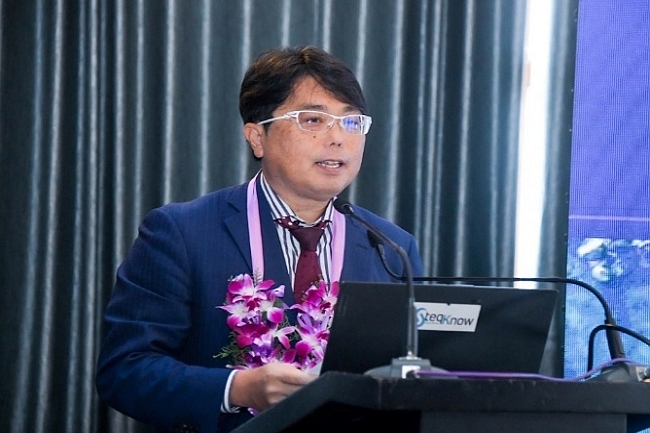
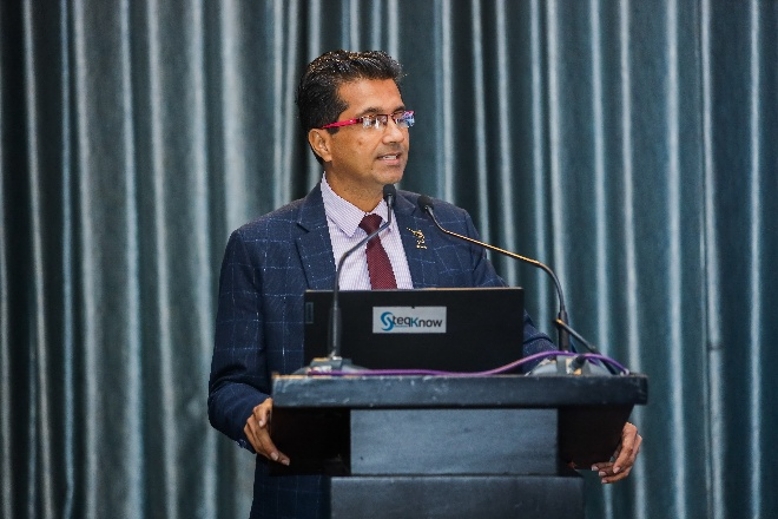
Delivering the chief guest speech, the Hon. Minister, Dr. Dhammika Patabendi, highlighted the growing burden that climate change places on communities and reaffirmed the Sri Lankan Government's commitment to strengthening climate resilience and addressing climate-related risks. He emphasized the importance of robust scientific evidence in guiding effective public policy and decision-making, noting that no single institution can address the complex challenges of climate change alone. He underscored the need for strong partnerships among government, academia, research organizations, and local communities to translate research into meaningful climate action.
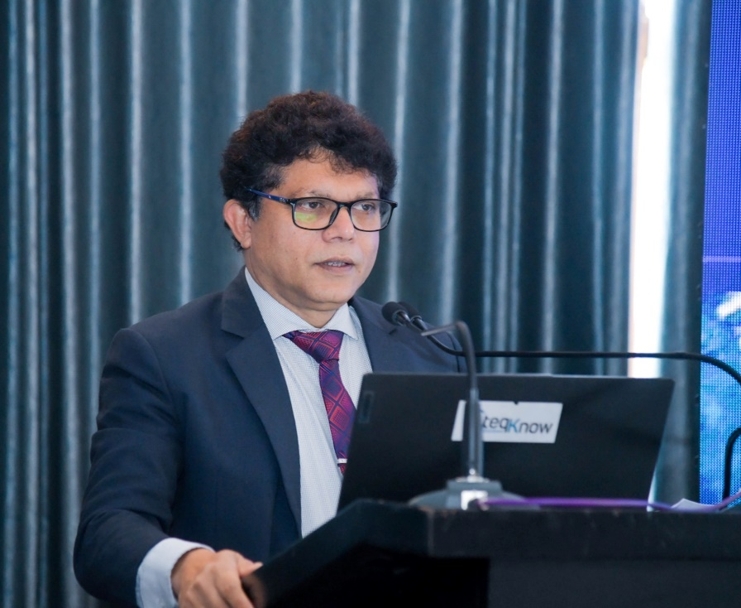
The technical sessions were carried out by the University of Peradeniya team, which comprised Dr Namal Bandaranayake, Senior Lecturer, Faculty of Engineering; Dr Priyadarshanie Premarathna, Senior Lecturer, Faculty of Arts; Dr Nishanka Jayasiri, Postdoctoral Research Scientist, Faculty of Engineering & Mr Hasanka Wijesingha, Researcher, Faculty of Engineering. The research team also included Dr Vasantha Wickramasinghe, a Senior Lecturer at the Faculty of Engineering at the University of Peradeniya. The technical sessions focused on presenting findings from a comprehensive household survey in Batticaloa, highlighting the underlying vulnerabilities that amplify climate impacts. The study revealed widespread dependence on weather-sensitive livelihoods, persistent poverty, demographic and health challenges, recurring exposure to both floods and droughts, and limited access to insurance, early warning systems, and other protective mechanisms. These findings underscored the importance of understanding the pre-existing social and economic conditions of vulnerable communities to design effective, evidence-based climate adaptation and resilience strategies. Participants were introduced to the Material, Relational, and Interpretive (MRI) dimensions of the CLiX framework, illustrating how climate impacts extend beyond physical and economic losses to affect social cohesion, cultural identity, and community well-being.
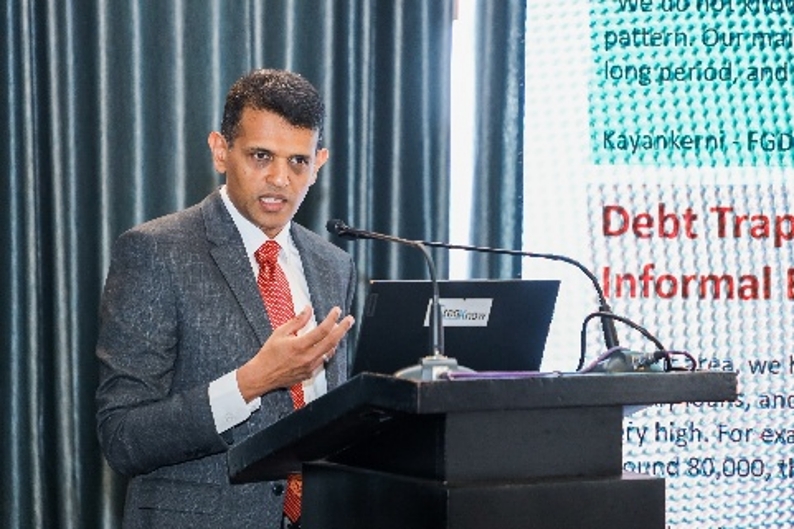
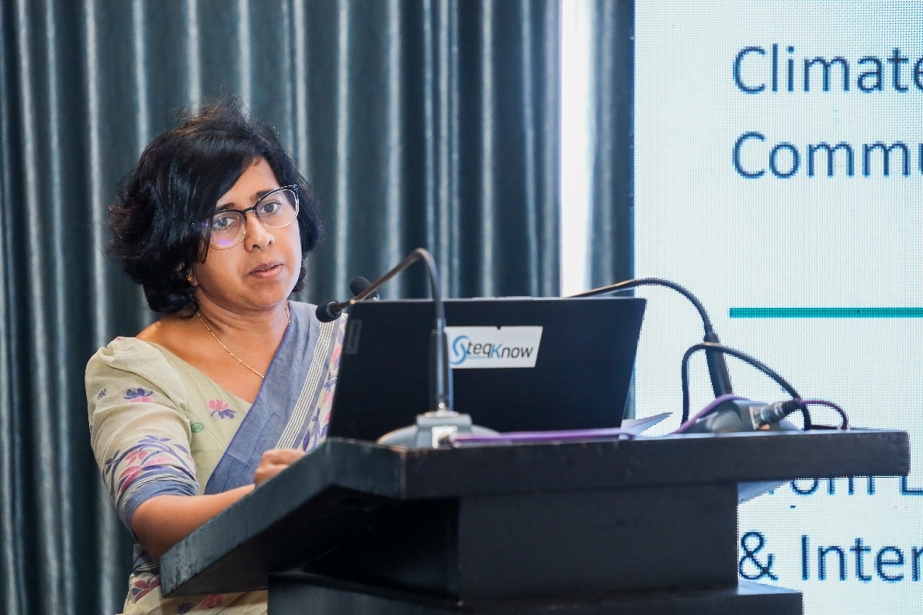
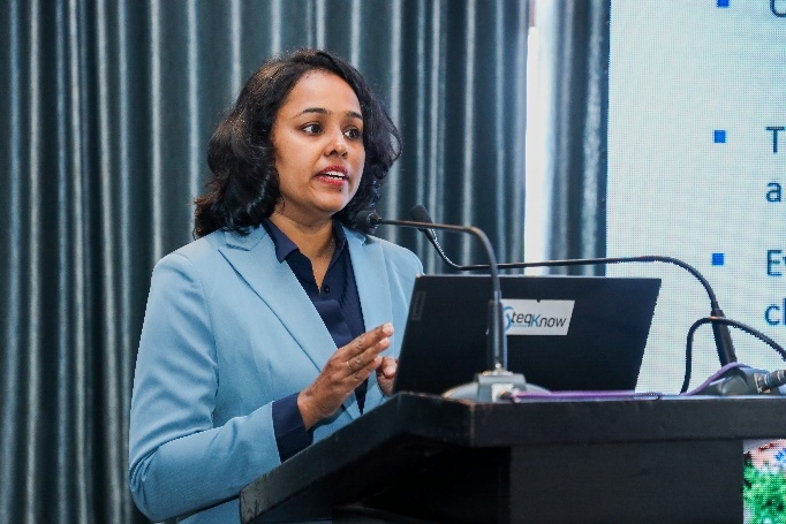
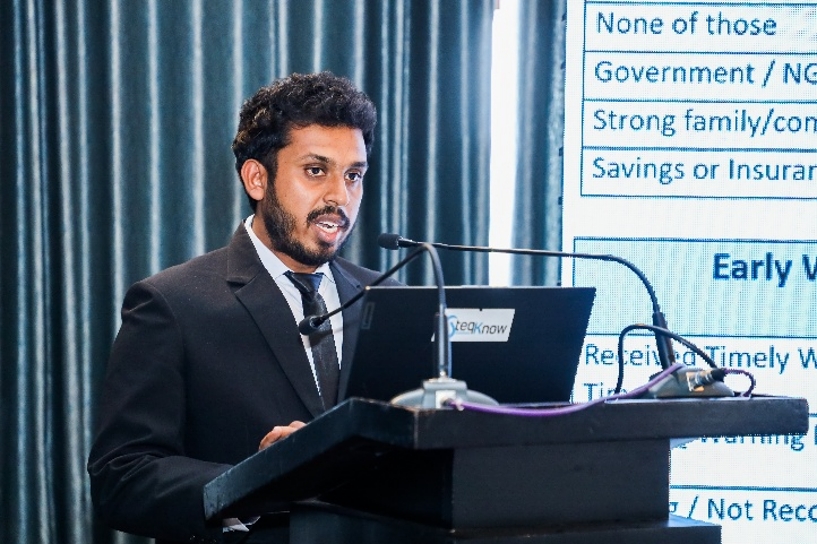
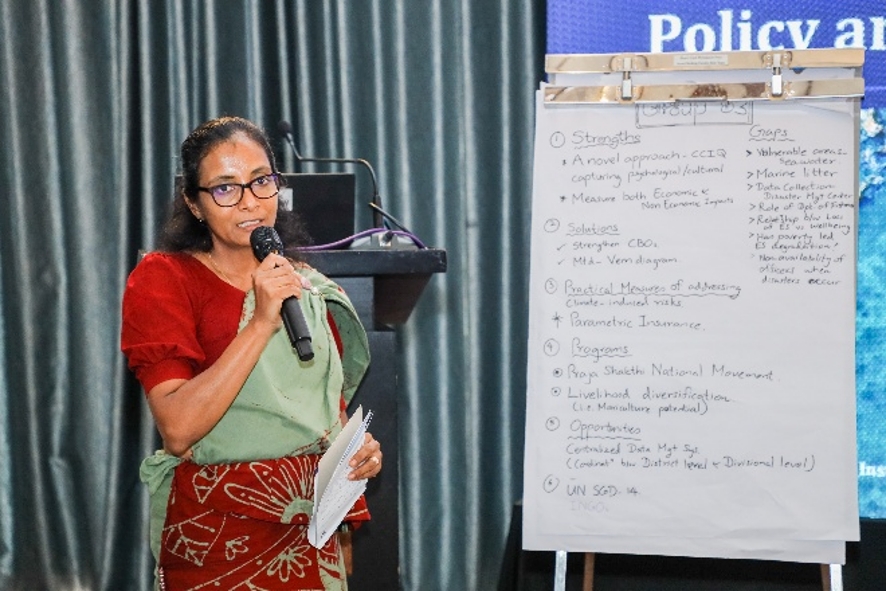
The workshop also featured breakout group discussions involving experts from government agencies, universities, and development organisations. Participants collectively reviewed research findings, explored implications for climate risk management and adaptation planning, and discussed pathways for integrating evidence-based research into national policy processes.
Participants identified opportunities to strengthen climate resilience through scaling up climate impact assessments, improving cross-institutional data sharing, promoting technology adoption and livelihood diversification, restoring coastal ecosystems, strengthening community-based organisations, and introducing innovative financing mechanisms such as parametric climate insurance. Discussions also highlighted the importance of integrating localised research into national planning and improving institutional coordination for evidence-based decision-making.
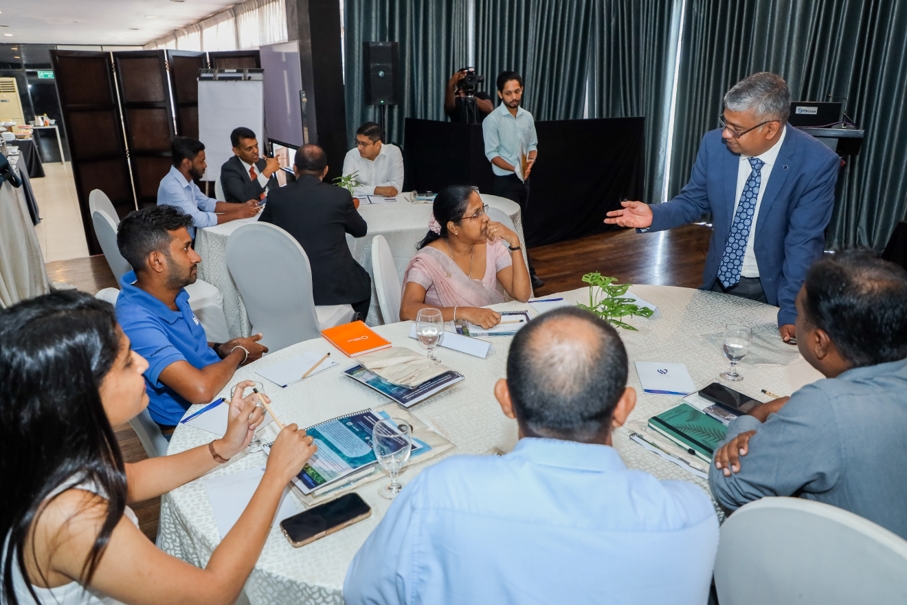
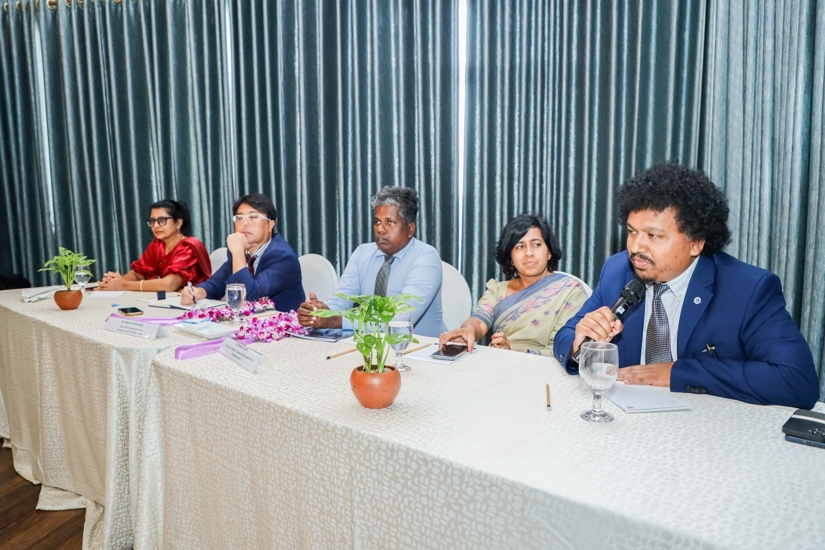
A panel discussion brought together national and international experts to explore pathways for mainstreaming the CCIQ and CLiX methodologies into climate policy and planning. Panellists emphasised the importance of developing robust scientific evidence to support national adaptation planning while creating opportunities to access international climate finance through standardised climate loss and damage assessments. They also highlighted the need for stronger collaboration among research institutions, government agencies, development partners, and local communities to build resilient coastal societies.
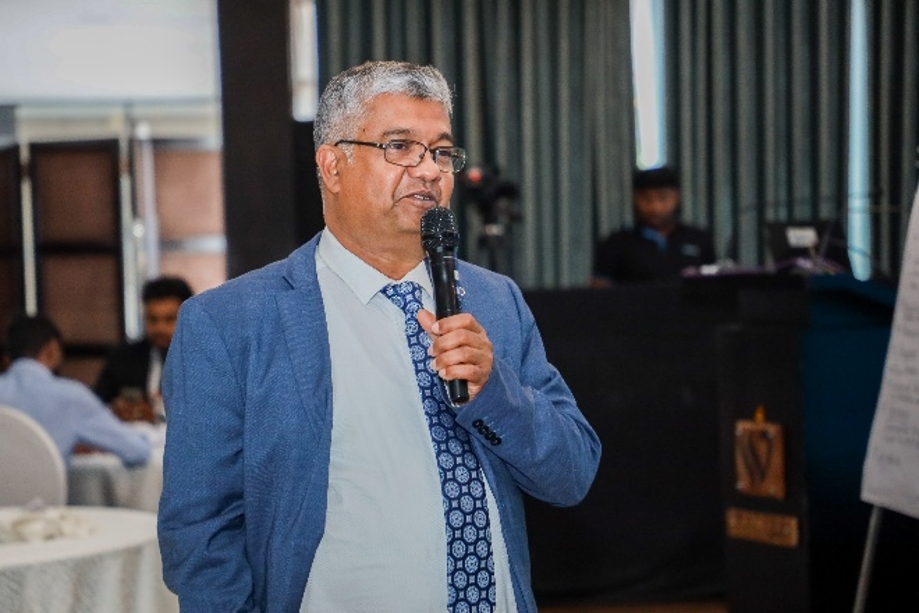
The workshop concluded with a consensus on a three-stage pathway for strengthening climate resilience: Respond, by improving emergency preparedness and psychosocial support; Reorient, by diversifying livelihoods and restoring natural protective ecosystems; and Reform, by institutionalising climate data systems, strengthening governance, and integrating the CLiX frameworks into national climate risk management and policy processes.
The event reaffirmed the importance of translating interdisciplinary research into practical policy solutions and demonstrated how collaborative partnerships can strengthen Sri Lanka's efforts towards climate resilience, sustainable coastal development, and evidence-based climate governance. The event concluded with a multi-stakeholder dialogue to identify actionable recommendations to strengthen Sri Lanka’s climate resilience, improve policy responses, and support future national-level climate action.
Media coverage
- National News Video Broadcast & Dissemination Presentation:
https://youtu.be/CWw7J53W_2A?si=kQdSm5t73XBqmEVa - Official Workshop Press Release & Institutional Photo Feature:
https://www.facebook.com/share/p/1D3g9gdNHi/ - National Dissemination Video Highlight Reel (Social Media Feature):
https://www.facebook.com/reel/1023913166808847?sfnsn=wa&mibextid=6AJuK9 - Workshop Event Coverage & Short-Form Video Documentation:
https://www.instagram.com/reel/DaQfo3XD_D7/?igsh=MWZ5czdoeGw3bG1hMQ==