40YEARS Sasakawa Peace Foundation

日本語
  • About SPF
    • About Us
      • About Us
      • Overview
      • History
      • Board Members
      • Diversity and Inclusion
      • Financial Position
      • Honorary Chair's Message Archive
      • Activities Before 2017
    • President's Message
    • Integrated Report
    • Access
    • Idea Submission
    • Careers
    • Contact Us
  • Experts
  • Programs
    • Japan-U.S. and Security Studies Unit
    • General Affairs and Networking Program
    • National Security and Japan-U.S. Program
    • Strategy and Deterrence Program
    • Asia Unit
    • Strategic Dialogue and Human Resource Development Program
    • Peacebuilding Program
    • Sasakawa Japan-China Friendship Program
    • West Asia and Islam Unit
    • West Asia and Islam Program
    • Social Innovation Program
    • Ocean Policy Research Institute
    • Division of Ocean Vision and Action
    • Division of Island Nations
    • Scholarship Unit
    • Sasakawa Scholarship Program
    • Center for Mediation Support
    • Center for Mediation Support
  • Research & Analysis
    • Reports and Publications
    • Essays and Commentary
    • SPF Now Interviews
    • Videos
    • Podcasts
    • Browse by Regions
    • Regions
    • Americas
    • Northeast Asia
    • Southeast Asia
    • South Asia
    • Middle East
    • Oceania
    • Europe and Eurasia
    • Arctic
    • Africa
    • Satellite Sites
    • International Information Network Analysis
    • Asia Women Impact Fund
    • The OPRI Center of Island Studies
    • The Friends of WMU, Japan
    • SPF Insights into Japan–U.S. Relations
    • From the Oceans
    • Asia Peacebuilding Initiatives (APBI)
    • History of the Sasakawa Japan-China Friendship Program
      (Japanese language)
    • Japan-China Relations Data Graph (Japanese language)
    • Third Pole Project
  • News
    • News
    • Press Releases
    • SPF Newsletter
    • Media Coverage
  • Events
Social Innovation Program

Empowering Rural Women Entrepreneurs through Mentorship

IMNEt: A Gender-Responsive Mentor Development Program~Vol.3
From Waste to Value, From Experience to the Next Generation: An Entrepreneur's Journey to Mentorship

Sasakawa Peace Foundation


November 12, 2026

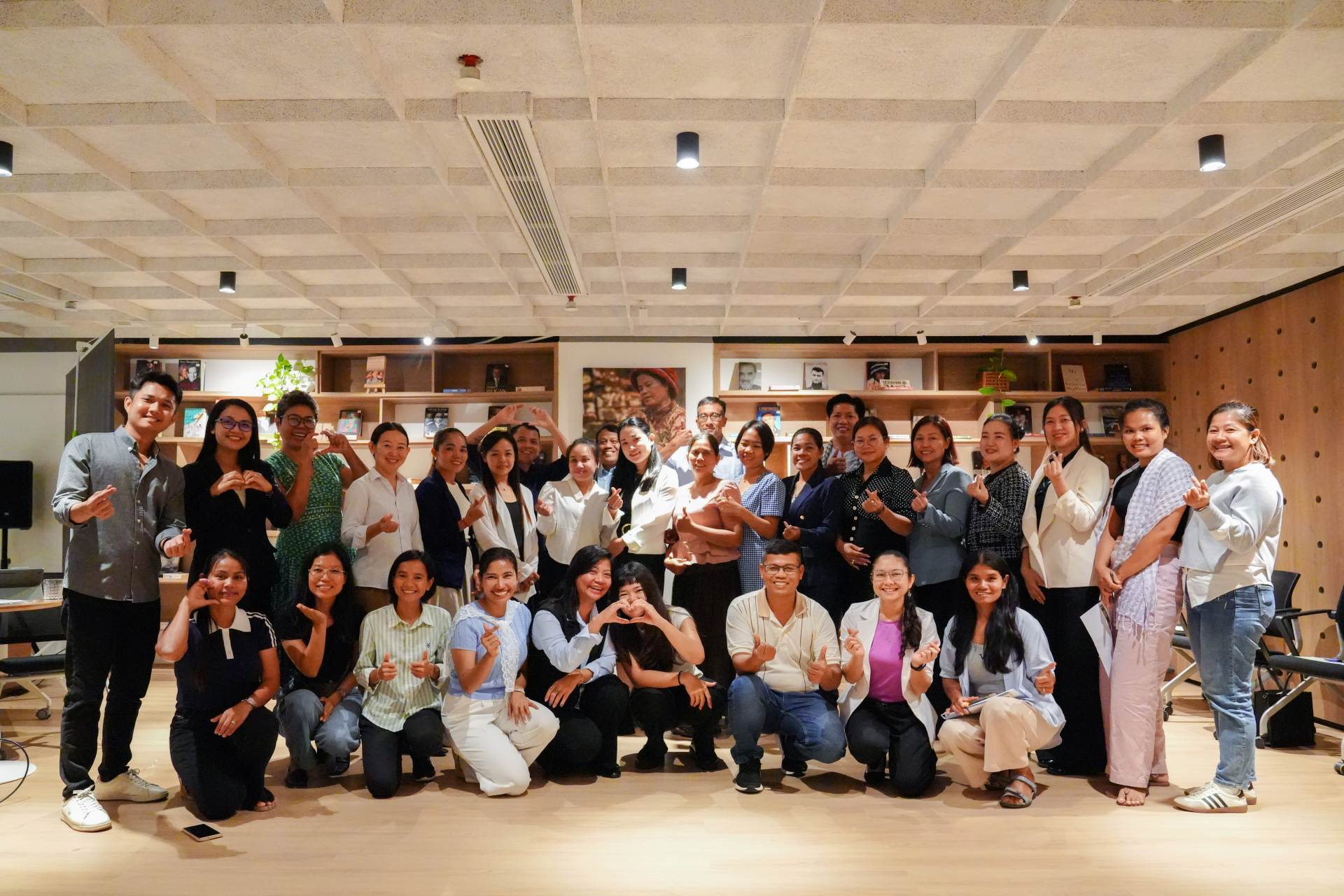
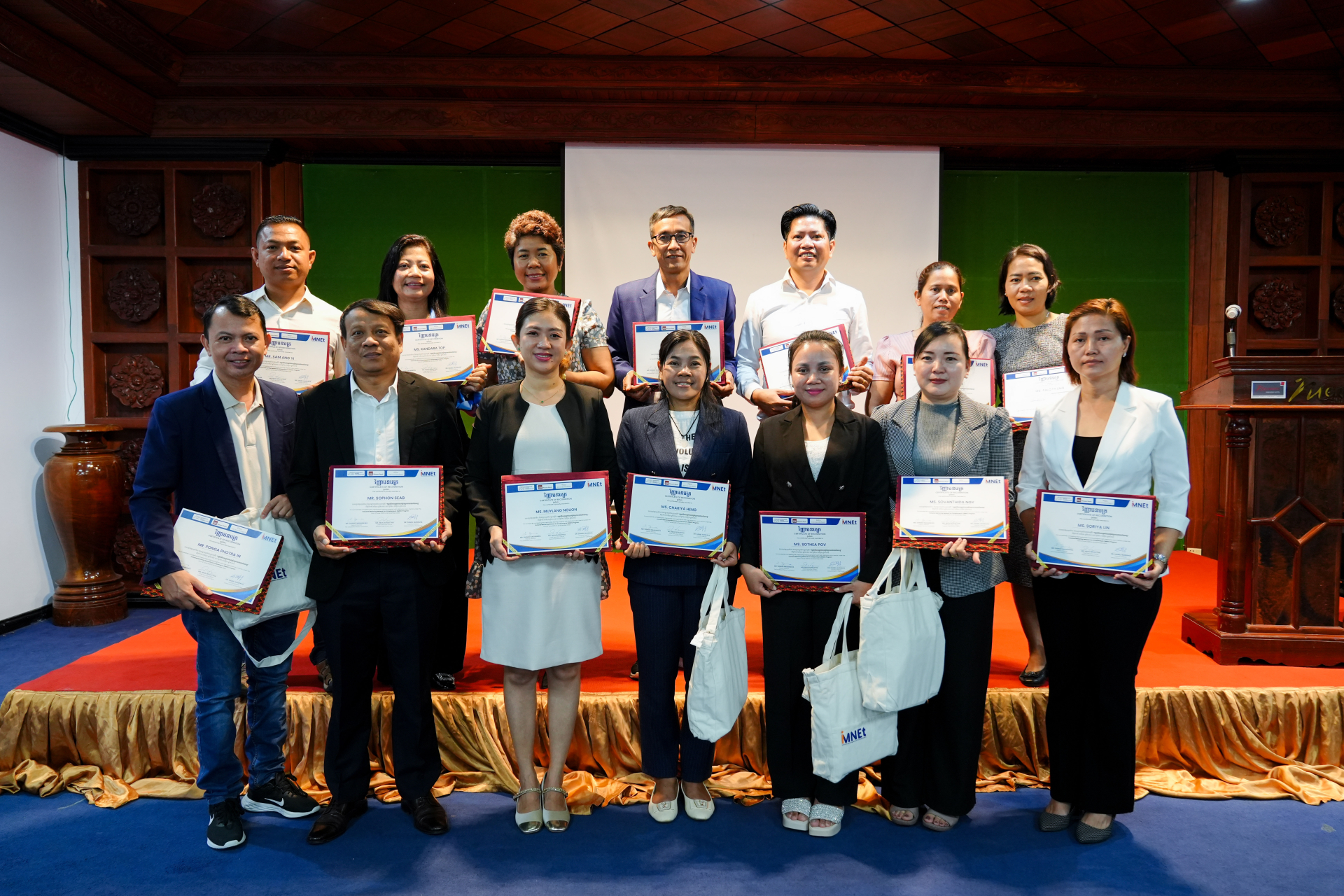
Mr. Kouch Seng Thai (top row, third from right), mentor from Siem Reap City (Photo: provided by Swisscontact)

In Cambodia, women-led businesses account for approximately 70% of all enterprises, making women entrepreneurs a vital force in the country’s economy and society. However, due to social and cultural factors, these women face numerous challenges in growing their businesses, including limited access to financing and markets. Moreover, the disparity in access to resources between urban and rural areas is striking. For example, while entrepreneurial support programs have become increasingly common in Cambodia in recent years, most are concentrated in the capital, Phnom Penh, making it difficult for rural entrepreneurs to participate.

The Sasakawa Peace Foundation identified these barriers faced by rural women entrepreneurs through its Gender Investment Landscape Survey in Cambodia. The research also highlighted several key issues: only about 20% of entrepreneurial support organizations incorporate a gender perspective; despite the relatively small funding needs of micro-entrepreneurs, access to finance remains limited; rural entrepreneurs, who often have greater needs for business growth support, lack sufficient access to such resources; and most micro and small enterprises are unregistered, which hinders their ability to secure funding from traditional financial institutions. The resarch also revealed that mentorship is both effective and necessary in helping women entrepreneurs overcome these unique challenges.
 
Based on these findings, the Sasakawa Peace Foundation launched the Inclusive Mentoring Network for Entrepreneurs (IMNEt) in 2024 - a mentor training program aimed at supporting and empowering rural micro women entrepreneurs, amplifying their positive impact of women, particularly in economic participants. The program was developed in collaboration with local stakeholders and partners. Swisscontact Cambodia, an international NGO that plays a central role in Cambodia’s entrepreneurial support ecosystem and implements the Enhancing Entreprenerial Ecosystem and Investments (3EI) program, serves as the main partner. Together with Impact Hub Phnom Penh and the Cambodia Coaching Institute, the curriculum was co-created.
 
To ensure the curriculum addressed local realities, focus group discussions were held with local entrepreneurs to incorporate rural-specific challenges and gender perspectives. The program is conducted entirely in Khmer. Many of the mentor candidates are entrepreneurs themselves. However, being a successful entrepreneur does not automatically make one a good mentor. Therefore, the training focused heavily on developing essential mentoring skills such as coaching techniques, active listening, and self-awareness-understanding one’s own mentoring style and motivations. The curriculum also integrates gender sensitivity to equip mentors with the awareness and tools necessary to effectively support diverse mentees and promote the empowerment of women in entrepreneurship.
 In its second year, the program trained 25 mentor candidates. Each mentor subsequently provided two months of mentorship to a rural woman micro-entrepreneur in their local community.
Beginning in 2026, the program has been officially adopted by the Technology Center (ATC) of the American University of Phnom Penh (AUPP) and has evolved into a nationwide initiative known as the Entrepreneurship Mentor Development Program (EMD).
For this article, we interviewed two entrepreneurs who participated in the second cohort of IMNEt. We spoke with them about their entrepreneurial journeys, motivations for joining the program, and perspectives on the value of mentorship.
 
The first interviewee is Mr. Kouch Seng Thai, founder of ANON (CAMBODIA) CO., LTD., a company producing and selling environmentally sustainable handicrafts in Siem Reap, home to the UNESCO World Heritage site of Angkor Wat.
Founded in 2018, ANON (CAMBODIA) CO., LTD.. manufactures souvenirs using environmentally friendly materials such as recycled sawdust, discarded wood, paper waste, plastic waste, and locally sourced natural fibers. Through its innovative production methods, the company minimizes environmental impact while creating distinctive Cambodian handicrafts.


— Could you tell us the story behind the founding of ANON?

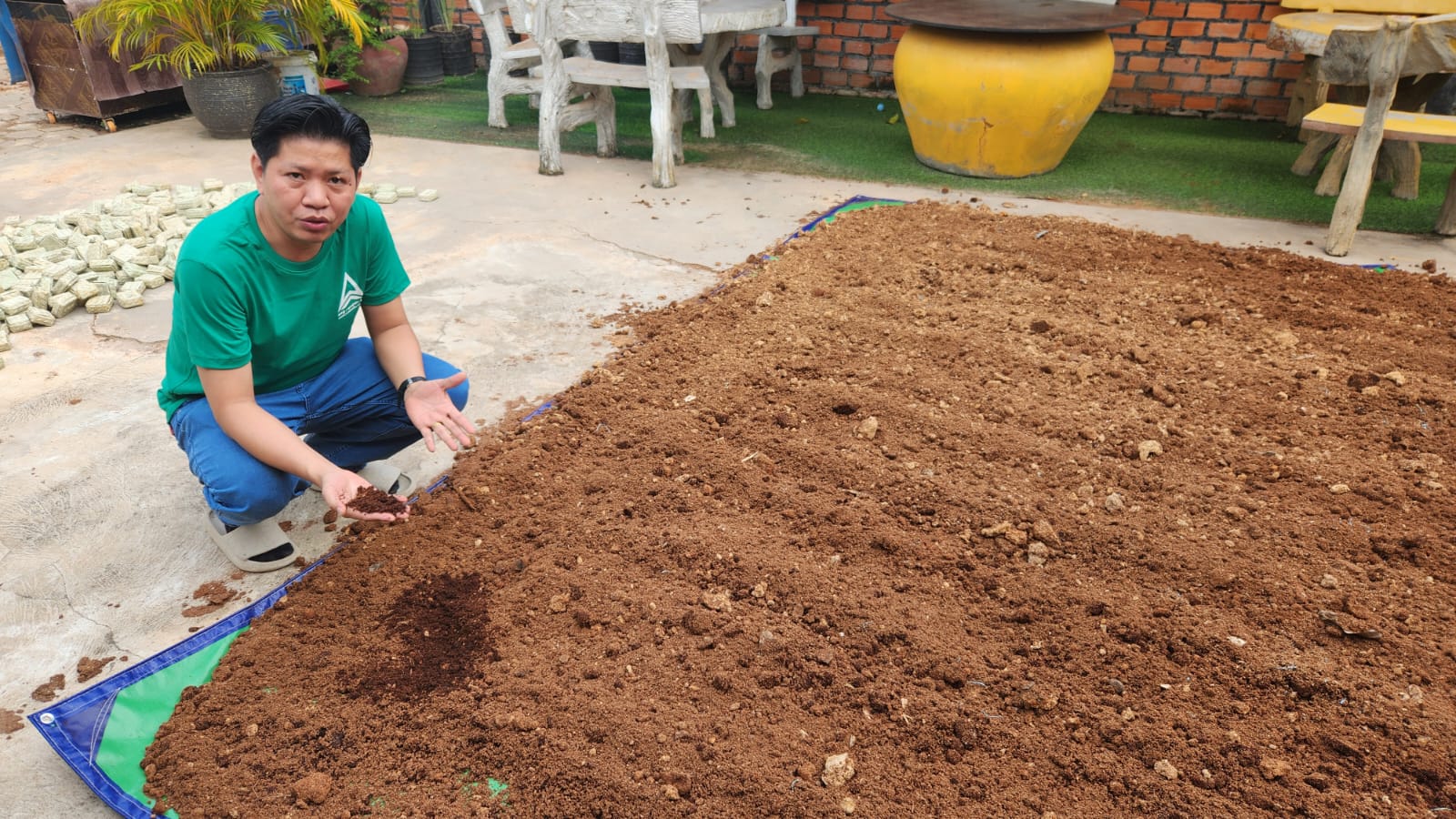
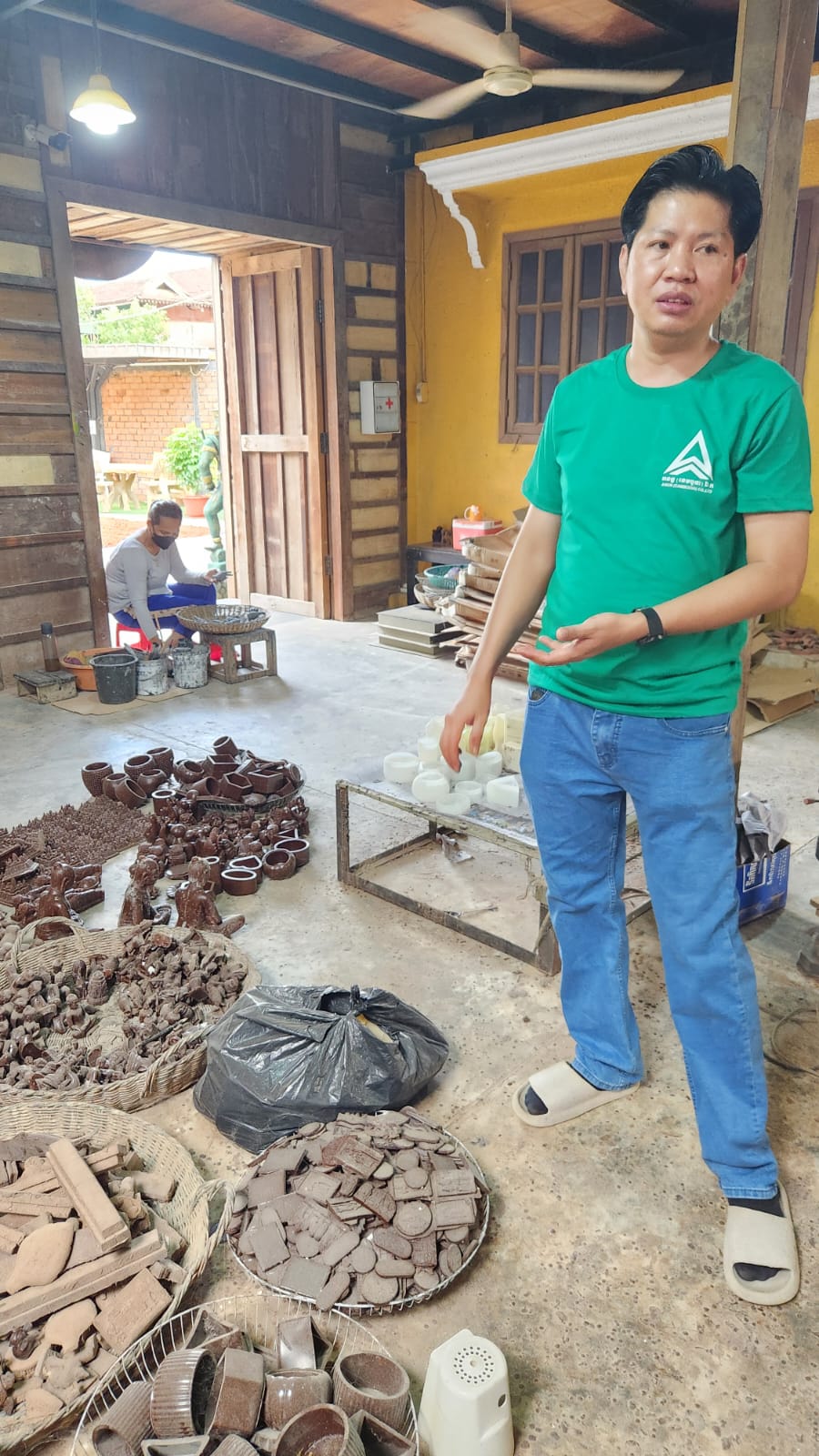
Sawdust that would otherwise be discarded is collected and transformed into souvenir products.

Before starting my business, I worked in the international travel industry for about 12 years. Although I do not have a professional background in art, I have loved making things and creating art since childhood.
At the time, many foreign companies in Siem Reap were producing handicrafts and souvenirs. Meanwhile, my brother was running a furniture workshop where large amounts of sawdust were being discarded. Because I was interested in sculpture, I began wondering whether this sawdust could be put to good use. That idea became the starting point of the business.

For about two years, I spent weekends experimenting and developing prototypes. As a result, I succeeded in creating a unique production method that utilized sawdust. At the time, there were very few examples of this kind of initiative.
I started by testing the products in a small market. Although the material was not as durable as it is today, I gradually gained a loyal customer base. Through that experience, I became convinced of the business potential and decided to leave my job and devote myself to it full-time.

— Why did you join the IMNEt program?

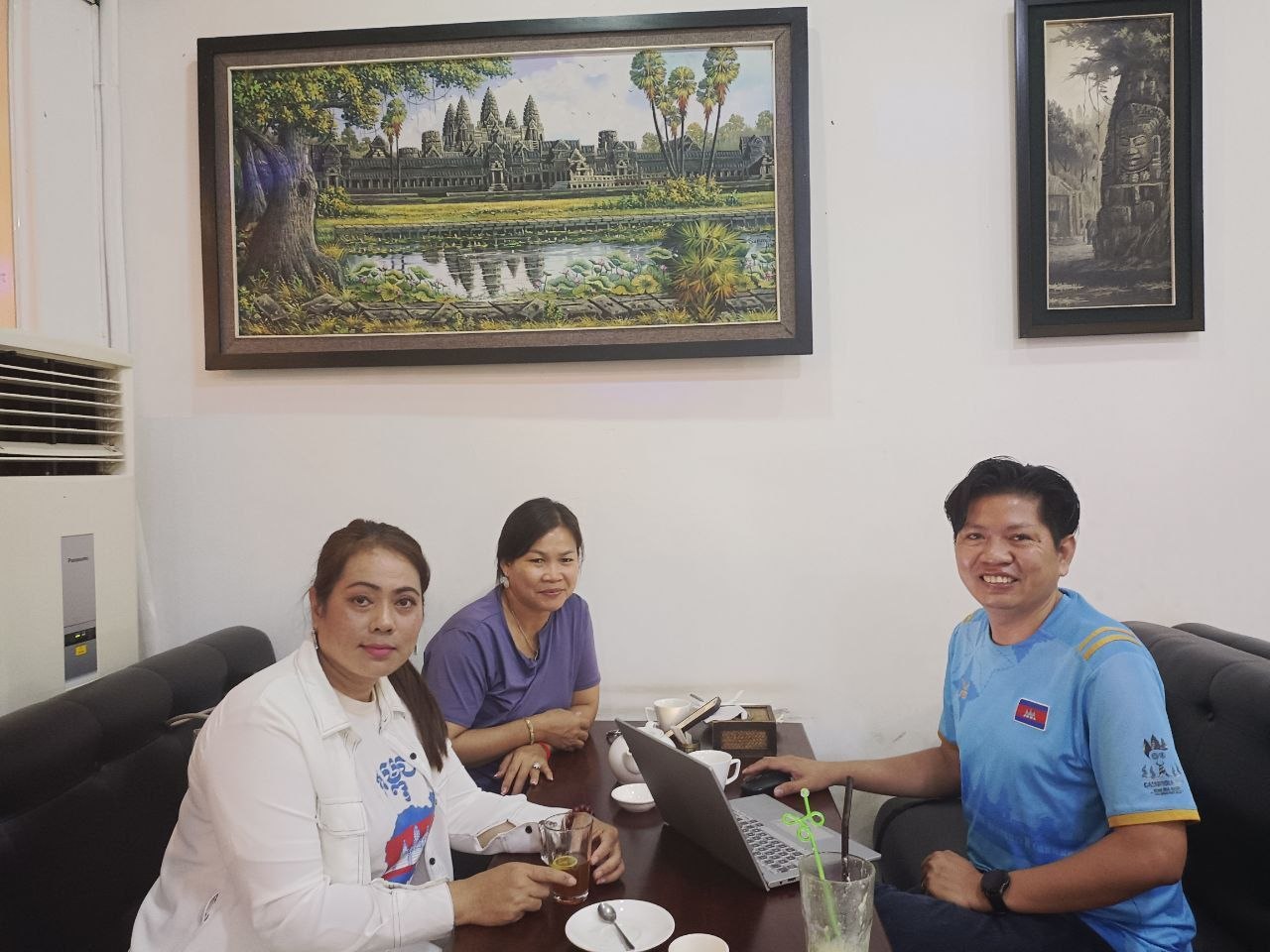
At an IMNEt training session

When I first started my business, I had no mentor to consult and only a limited network, so I had to figure out many things on my own. Later, through programs offered by Khmer Enterprise and Impact Hub during the COVID-19 period, I gained valuable knowledge and insights that helped me grow significantly as an entrepreneur.
Because of those experiences, I wanted to pass on the support and learning I had received to the next generation of entrepreneurs, which is why I joined the IMNEt program. I had advised other entrepreneurs before, but this was my first time serving as an official mentor.

— What did you learn from participating in IMNEt? Did it change your perspective on mentorship?

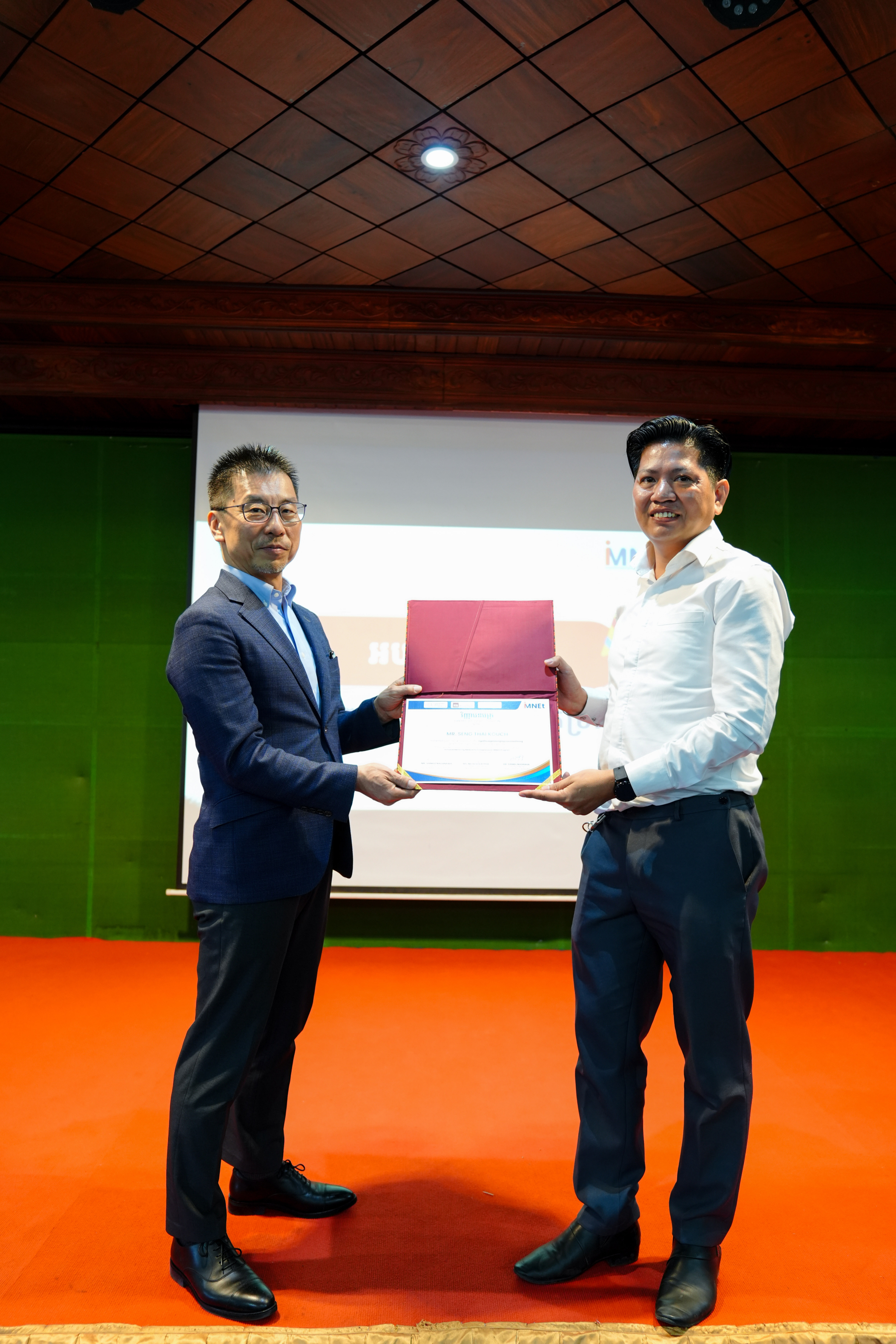
Seng Thai receiving a certificate of completion for the IMNEt program. (Photo: Provided by Swisscontact)

The most significant lesson for me was clearly understanding the differences between mentoring, coaching, and consulting.
Previously, I had not fully distinguished between these roles. Through the program, I learned that mentoring incorporates elements of both coaching and consulting to help mentees overcome challenges and grow their businesses. This understanding had a profound impact on how I approach my role as a mentor.
 

— IMNEt is a gender-responsive program. What are your thoughts on gender issues?

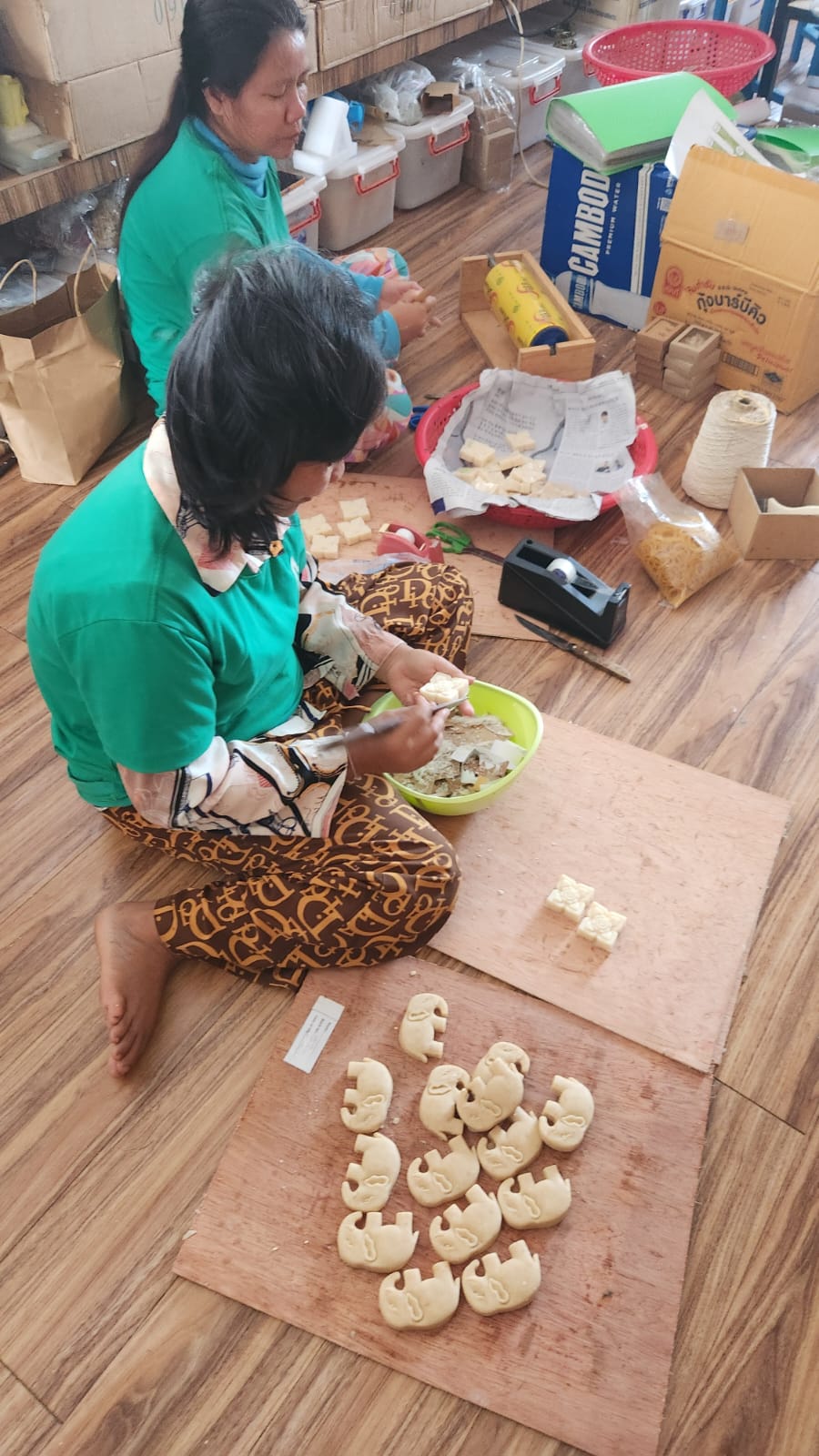
Female staff members working at ANON's workshop

In Cambodia, women often do not receive the same level of support and opportunities as men. For that reason, I was pleased to participate in a program that supports women entrepreneurs.
At the same time, I have never believed that men and women differ in their abilities. We recruit based on skills and the needs of the business, while working to create fair opportunities for women and a supportive environment where they can develop their capabilities and advance within the company.
We also recognize that many employees, particularly women, balance work with childcare and family responsibilities. Therefore, we strive to provide a supportive and flexible working environment that enables employees to fulfill both their professional and family commitments while continuing to grow in their careers.

— What kind of support did you provide through your mentoring?

Seng Thai and his mentees (Photo: Provided by Seng Thai)

Through the program, I mentored a woman entrepreneur and provided guidance on public speaking and product registration.
Her main challenge was a lack of self-confidence. However, she clearly had the necessary abilities, and I believed that if she gained more confidence, she could achieve her goals. Therefore, I focused not only on sharing knowledge and skills but also on encouraging her to act with confidence.

I learned a great deal from my mentee. What impressed me most was her passion and determination.
She was also very open in sharing her experiences and thoughts. I am not naturally the type of person who talks extensively about myself. However, she trusted me and openly discussed many aspects of her life and business.
Watching her do that reminded me of the importance of building trust. It also inspired me to become more open with others and to create relationships where people can support one another by sharing experiences and ideas.
 

— Is there a particular experience that stands out in your memory?

Even after the mentoring program ended, our relationship continued. We started as mentor and mentee, but today we are more like friends.
Whenever we come across information that may benefit each other's businesses, we share it. Sometimes she even introduces valuable information to me. What stands out most is that the program created a lasting relationship built on trust that extends beyond a simple mentoring arrangement and has led to ongoing collaboration.
The experience taught me that mentoring is not just about imparting knowledge. It is an opportunity to build relationships where both parties can learn from one another and grow together.
 

— What are the next steps for you as an entrepreneur and as a mentor?

Seng Thai explaining the production process that transforms sawdust into souvenirs.
As an entrepreneur, I already have connections in Europe, but I would like to expand further into Asian markets, including Japan. I am currently participating in an accelerator program run by the ASEAN Foundation, where I am connecting with entrepreneurs from ten countries, including Malaysia and Thailand, to explore new market opportunities.
As for mentoring, the culture of mentorship is still relatively new in Cambodia. Although I have been an entrepreneur for many years, it was only in recent years that I developed a deeper understanding of entrepreneurship, sustainability, and the importance of mentoring. Many entrepreneurs are still unaware of mentoring and its value, and even companies with histories of 20 or 30 years often lack formal mentoring systems.
Programs like IMNEt provide entrepreneurs with an opportunity to think about their businesses from a long-term perspective. They also help participants develop roadmaps and clear visions for the future.
Going forward, I believe it is important to continue spreading awareness about the value and significance of mentoring through programs like these. Once people understand that mentoring has a positive impact on both mentors and mentees, more individuals will be encouraged to participate.
 

— Would you like to continue serving as a mentor in the future?

Absolutely. I would like to continue supporting entrepreneurs not only in Siem Reap but throughout Cambodia. I would be happy if I can share the experiences and lessons I have gained and contribute to the growth of the next generation of entrepreneurs.
 

―― Editor's Postscript

“I want to continue supporting entrepreneurs as a mentor.”
The words Mr. Kouch Seng Thai shared at the end of the interview were far more than a polite remark. Even today, he continues to participate in various programs and provide mentorship not only within Cambodia but also to entrepreneurs overseas.
When he started his business, he had neither a network nor trusted advisors to turn to, and he overcame many challenges on his own. Perhaps because of those experiences, he feels a strong desire to pass on the knowledge and support he received to the next generation. His attitude strongly reflects the spirit of “Giving Back,” a core value of both IMNEt and its successor program, EMD, which emphasizes returning the benefits of support received to society.
The EMD program aims to cultivate Cambodian mentors who can contribute across ASEAN and on the global stage. As someone who embodies this vision, Mr. Kouch Seng Thaihas already taken an important step forward. We hope that the continued efforts of entrepreneur-mentors like him will become a driving force behind the development of Cambodia’s entrepreneurial ecosystem in the years to come.


(Written by Etsuko Ito, Program Officer, Social Innovation Program of the Sasakawa Peace Foundation)


Social Innovation Program
Share

Related Articles

Latest News

Social Innovation Program

Event Report: Impact Measurement and Management (IMM) for Gender Lens Investing (GLI)

2X Global, Brightlight Group, and the Sasakawa Peace Foundation hosted an Impact Measurement & Management (IMM) workshop designed for LPs and GPs to dive deeper into the IMM for gender lens investing and GLI+ strategy. We explored ways to build a GLI IMM framework, including designing and framing, integrating gender lens into the investment process, impact rating and risk analysis, manager engagement, and reporting.

March 25, 2024
Social Innovation Program

Event Report: Mainstreaming Gender Lens Investing in Northeast Asia

Gender Lens Investing (GLI), which evaluates potential value and risk while consciously incorporating a gender perspective into investment decisions, is gaining traction around the world as a ‘smart investment technique.’ Even investors who are not familiar with impact investing are starting to explore the potential of GLI. On the other hand, GLI is relatively underdeveloped in the Northeast Asia region.

January 11, 2023
Social Innovation Program

Event Report: Building Back Better by Empowering Women Entrepreneurs

Women entrepreneurs are reportedly finding it more difficult to access marketplaces and funding as a result of the Covid-19 pandemic. What kind of help does "Building Back Better" require from entrepreneur support organizations and investors for women entrepreneurs?

January 11, 2023
Browse Latest News

pagetop

Video Title

Footer

Sasakawa Peace Foundation

  • About SPF
  • News
  • Experts
  • Events
  • Programs
  • Access
  • Research & Analysis
  • Contact Us

Latest Updates

Receive regular updates about news, events, and research from the Sasakawa Peace Foundation

Sign Up to Our Newsletter

Satellite Sites

  • From the Oceans
  • The Friends of WMU Japan
  • Asia Women Impact Fund
  • Insights into Japan–U.S. Relations
  • International Information Network Analysis (IINA)
  • The OPRI Center of Island Studies
  • Asia Peacebuilding Initiatives (APBI)
  • History of the Sasakawa Japan-China Friendship Program (Japanese language)
  • Japan-China Relations Data Graph (Japanese language)
  • Third Pole Project
  • PRIVACY POLICY
  • SITE POLICY
  • SOCIAL MEDIA POLICY
  • SITE MAP
  • WEB ACCESSIBILITY POLICY

Copyright © 2021 The Sasakawa Peace Foundation. All Rights Reserved.