Sasakawa Peace Foundation

日本語
  • About SPF
    • About Us
      • About Us
      • History
      • Program Policy and Five Priority Goals
      • Board Members
      • Diversity and Inclusion
      • Financial Position
      • Honorary Chair's Message Archive
      • Activities Before 2017
    • President's Message
    • Integrated Report
    • Access
    • Idea Submission
    • Careers
    • Contact Us
  • Experts
  • Programs
    • Japan-U.S. and Security Studies Unit
    • General Affairs and Networking Program
    • National Security and Japan-U.S. Program
    • Strategy and Deterrence Program
    • Asia and Middle East Unit
    • Strategic Dialogue and Exchange Program
    • Peacebuilding Program
    • Social Innovation Program
    • Sasakawa Japan-China Friendship Program
    • Ocean Policy Research Institute
    • Division of Ocean Vision and Action
    • Division of Island Nations
    • Scholarship Unit
    • Sasakawa Scholarship Program
  • Research & Analysis
    • Reports and Publications
    • Essays and Commentary
    • SPF Now Interviews
    • Videos
    • Podcasts
    • Browse by Regions
    • Regions
    • Americas
    • Northeast Asia
    • Southeast Asia
    • South Asia
    • Middle East
    • Oceania
    • Europe and Eurasia
    • Arctic
    • Africa
    • Satellite Sites
    • International Information Network Analysis
    • SPF China Observer
    • Asia Women Impact Fund
    • The OPRI Center of Island Studies
    • The Friends of WMU, Japan
    • SPF Insights into Japan–U.S. Relations
    • From the Oceans
    • Asia Peacebuilding Initiatives (APBI)
    • History of the Sasakawa Japan-China Friendship Program
      (Japanese language)
    • Japan-China Relations Data Graph (Japanese language)
    • Third Pole Project
  • News
    • News
    • Press Releases
    • SPF Newsletter
    • Media Coverage
  • Events
Social Innovation Program

Solving Social Issues Through Entrepreneurship Vol.9

Solo Landscapes: Sustainable Tourism from Cambodia: Protecting Nature and Local Communities

Written by Etsuko Ito, Program Officer, Social Innovation Program


February 25, 2026

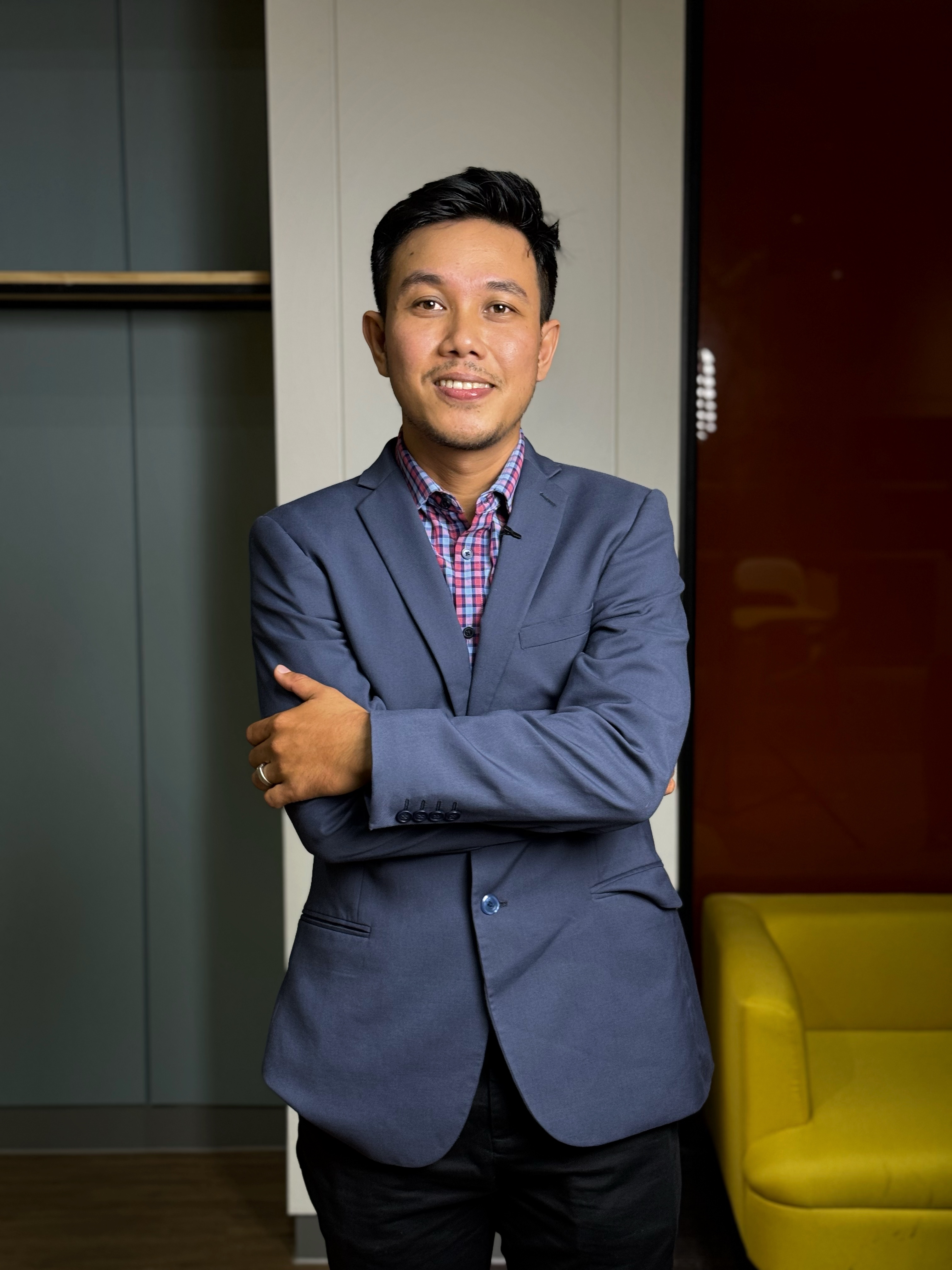
Mr. Sokchanlida (Vanda) Horn, Co-Founder and CEO of Solo Landscapes (Photo: provided by Solo Landscapes)

Since 2022, the Sasakawa Peace Foundation has been operating the “Cnai Accelerator Program” in Cambodia. This program is modeled after the Santhit Accelerator Program, which we developed and rolled out jointly with a Myanmar-based venture capital firm, Emerging Markets Entrepreneurs (EME) in 2021. Both programs incorporate the incubation curriculum of Village Capital, a globally renowned early-stage venture capital firm. 
  
“Cnai” – meaning “innovation” in Khmer – is a program which incorporates a gender lens, and is committed to creating an equitable learning environment where female entrepreneurs can participate on equal footing with male counterparts. Each phase entails the selection of a cohort of entrepreneurs, who receive funding and guidance towards the expansion of their businesses with ongoing support being provided by program partners. 

 Since the end of 2024, the program has been in its third phase. In addition to our initial partnership with ADB Frontier, we have collaborated with other partners such as Khmer Enterprise, a Cambodian government agency, and CAPRED (Cambodia–Australia Partnership for Resilient Economic Development). These partnerships have further enhanced the community building capacity and overall strength of the curriculum.

We spoke with the finalist entrepreneurs of the third phase about their entrepreneurial stories, challenges, and how they contribute aim to solve social issues through their businesses. 

For this article, we spoke with Mr. Sokchanlida (Vanda) Horn, Co-Founder and CEO of Solo Landscapes, one of the finalists of the 3rd Cnai Accelerator Program.

Founded in 2020, Solo Landscapes is a Cambodia based sustainable tourism platform and adventure tour operator. The company offers tours for travelers seeking deep engagement with nature and culture, placing strong emphasis on environmental conservation and collaboration with local communities. Today, Solo Landscapes is gaining recognition as one of Cambodia’s leading ecotourism enterprises. 

―― What inspired you to establish Solo Landscapes, and what was the background behind its founding?

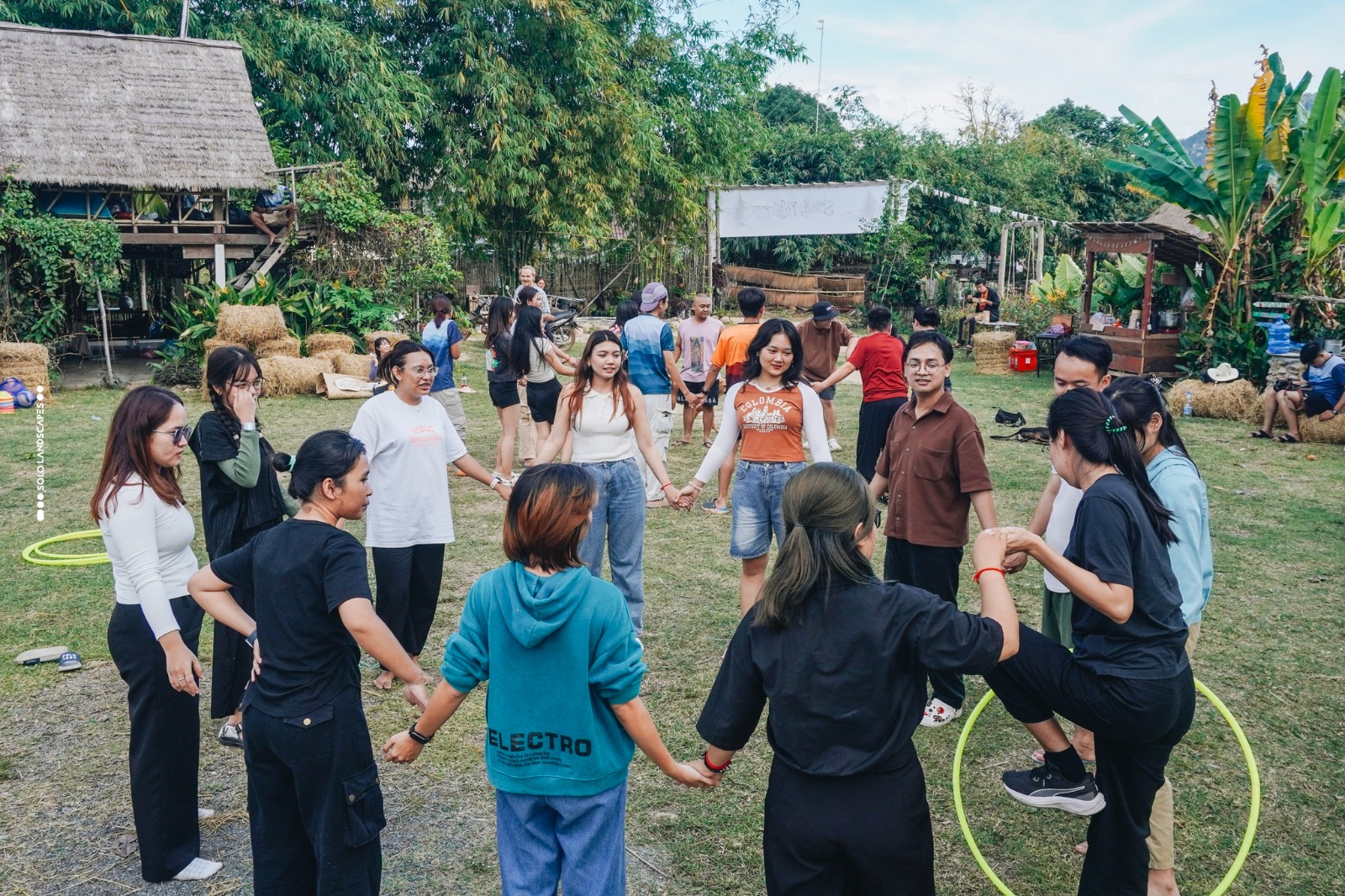
A workshop for learning about the environment in nature (Photo: provided by Solo Landscapes)

Solo Landscapes was born in 2020, during the COVID-19 pandemic, when international travel was severely restricted and interest in domestic tourism began to grow. I initially started the business on my own, but in the midst of the pandemic, I invited my friend, Chhet Rong Vicheata, to join as a co-founder. 

Starting a business alone was extremely challenging. That experience made me strongly realize the importance of moving forward with someone I trust. Vicheata has strong expertise in sports and adventure activities such as diving and cycling, and today she plays a key role as one of the core pillars of the business. 

Before becoming an entrepreneur, I worked in social marketing at an NGO focused on improving child nutrition, where I was involved in community based activities and training programs for microentrepreneurs. Through those experiences, I came to deeply understand the importance of working together with local communities. 

I have always enjoyed participating in ecotourism myself, but through those experiences I also became aware of serious challenges, such as deforestation and the decline of wildlife. I began to feel that tourism should not be about simple consumption, but rather about learning, protecting nature, and giving back to local communities. 

In the beginning, we attracted customers through Facebook and started by organizing small group tours on weekends to protected areas and national parks. Over time, we clearly saw that demand for ecotourism was growing. This realization became the catalyst for scaling the business more seriously. 

I also felt that conventional tourism often fails to offer meaningful experiences. It is not enough to simply visit nature; travelers should listen to the voices of local communities, learn from them, and reflect on what they take back from the journey as responsible travelers. 
―― Could you tell us about your business model?

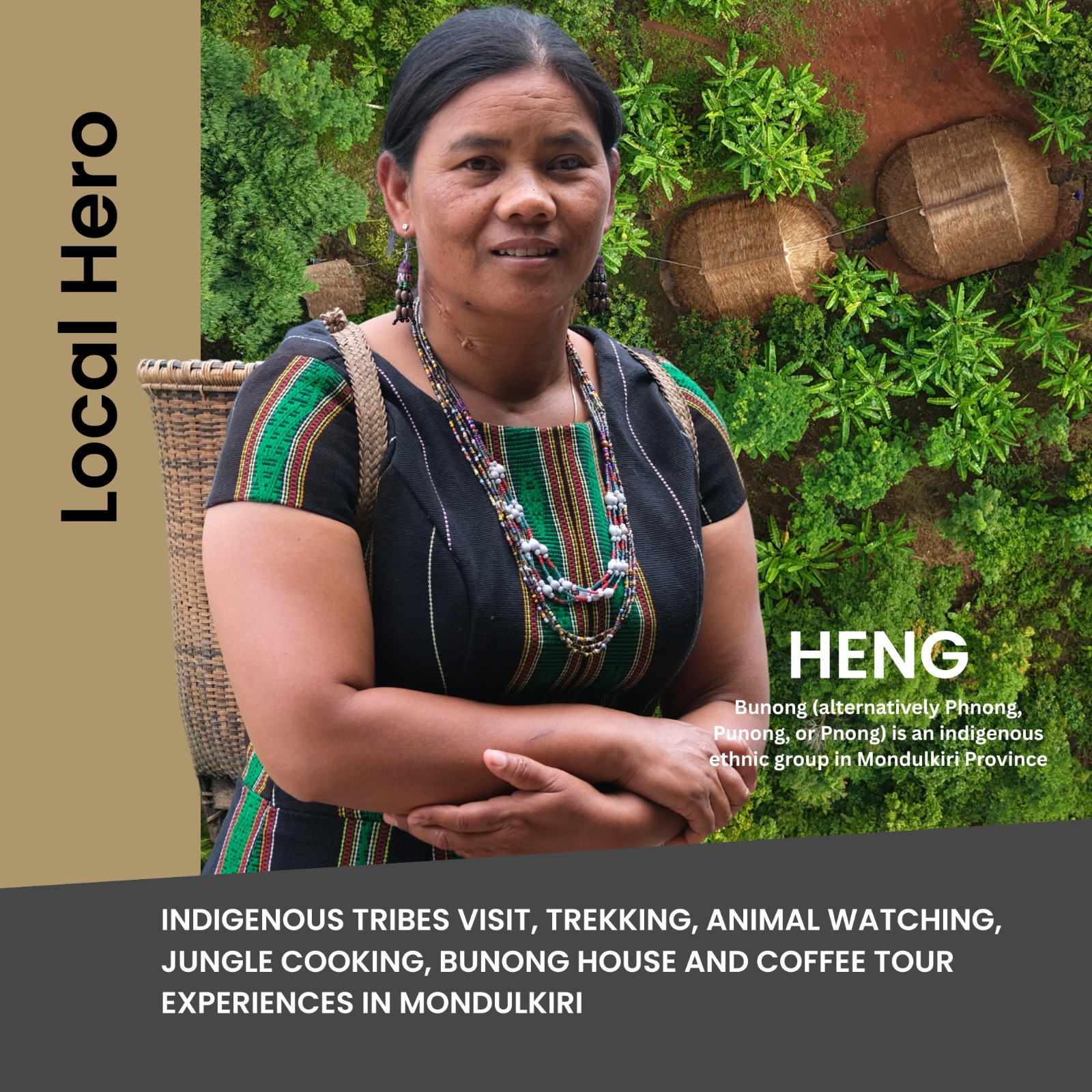
An Indigenous woman serving as a local hero (Photo: provided by Solo Landscapes)

Our main customers are residents of Phnom Penh, though in recent years we have seen an increase in participants from other cities as well. During the pandemic, the growing desire to experience nature within Cambodia itself became a strong driver of our business growth. 

One of the defining features of Solo Landscapes is our collaboration with local community members we call “Local Heroes.” While these individuals provide high quality tourism services, many of them do not use large online booking platforms. We act as a bridge, connecting them with travelers. 

In the early stages, we handled everything ourselves—tour guiding, business operations, and marketing—which placed a heavy burden on the team. Today, we have transitioned to a more sustainable operating model by outsourcing tour guiding to freelance guides who are motivated to work for and with their communities. Currently, over 20 freelancers are involved, supporting logistics for hiking and adventure tours. 

The tours we offer include:

  • Hiking and trekking in national parks and protected areas
  • Cultural exchanges with Indigenous communities
  • Cohosting food and cultural events in provincial cities such as Battambang 
  • Historical and cultural tours in Phnom Penh (including the Genocide Museum, Killing Fields, and the Royal Palace) 

Pricing is set on a tour by tour basis, allowing us to operate flexibly. Social entrepreneurs are often perceived as operating businesses with low profitability. However, while we are committed to being ecofriendly and generating social impact, we also aim to be recognized as a commercially viable and sustainable business. 

―― What led you to join the Cnai Accelerator Program, and what learnings left the strongest impression?

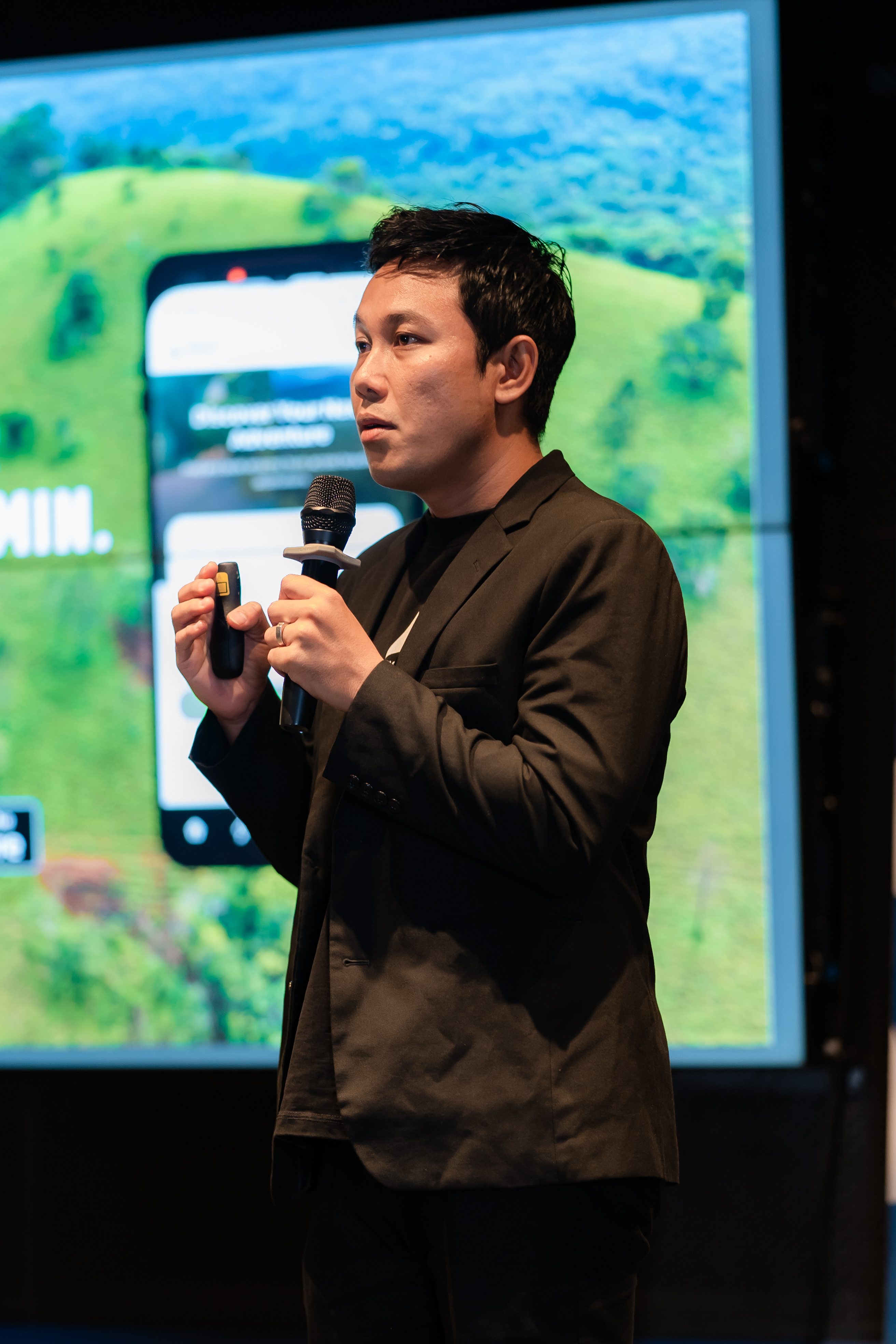
Vanda presenting his pitch as a finalist at the Cnai Program’s third‑cohort graduation ceremony (Photo: provided by Cnai)

I was introduced to Cnai by Jason from Xertificate, a friend and a participant from the second cohort. He told me, “Solo Landscapes already has impact. It has the potential to scale as a digital platform.” That encouragement really pushed me forward. 

Adventure tourism is a unique sector, and scaling it requires both time and innovation. I personally felt a strong need to take the business to its next stage, which is why I decided to apply to Cnai. 

What impressed me most about Cnai was its approach of not imposing answers. Rather than telling me what to do, the Cnai team listened carefully to my ideas and offered thoughtful feedback. In other programs, I sometimes felt pressure to “change,” but at Cnai, the ownership of the business was always respected. 

The curriculum was by no means easy, but being able to use the resource hub, engage in field based reflection, and systematically learn the fundamentals of organizational management was a major gain. 

One particularly memorable learning experience was the session on gender. Through lectures by a Japanese guest speaker, I learned to view gender not simply as a male/female distinction, but as something embedded in organizational culture and behavior. This led me to think more concretely about team conduct, preventing discrimination, and establishing inclusive recruitment policies. Today, we also consciously provide opportunities for women within our hiking tours. 

―― What are the next steps for Solo Landscapes?

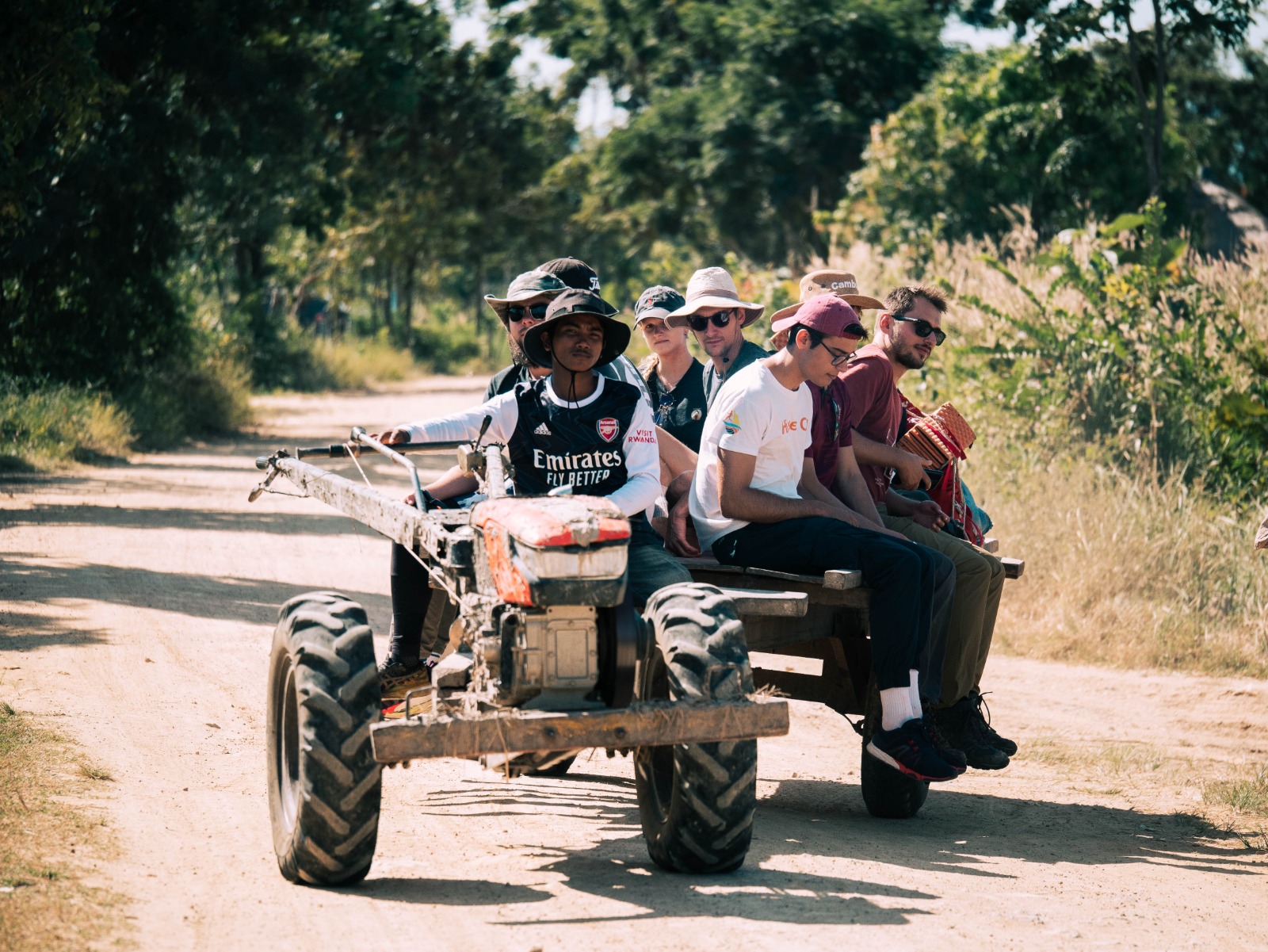
Tour activities (Photo: Provided by Solo Landscapes)

The connections built through Cnai have continued even after the program ended. When developing new products, I hope to keep consulting and collaborating with members of the Cnai community. 

Looking ahead, our next step is expansion beyond Cambodia. We are exploring possibilities in Laos, Vietnam, Nepal, Indonesia, and India. Travelers who already have cultural awareness tend to seek deeper, more meaningful experiences, and I strongly feel that this demand is steadily growing across borders. 

The challenge of Solo Landscapes—to connect nature and people, travel and learning—will continue into the future. 

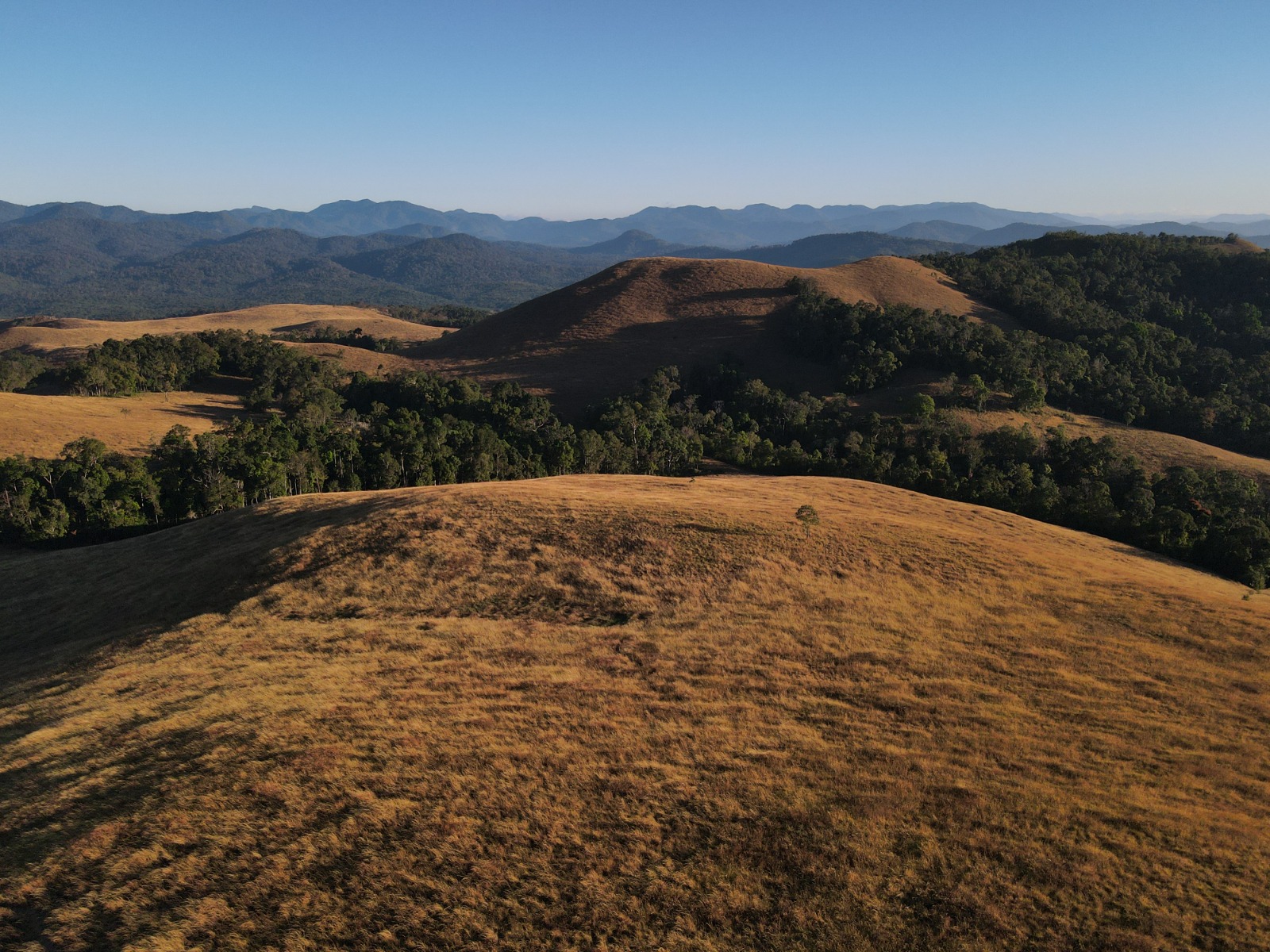
A view of Virachey National Park in Ratanakiri Province, visited during the tour (Provided by Solo Landscapes)

―― Editor's Postscript

Throughout our conversation, what stood out most was Vanda’s strong determination to rethink the very meaning of tourism. Rather than simply consuming nature and culture, he emphasizes learning from them, protecting them, and giving back to local communities. This perspective is clearly grounded in his prior experience working closely with communities through NGO activities. 

At a time when international travel came to a halt, foreign visitors disappeared, and Cambodia’s tourism industry suffered a severe blow due to the pandemic, he turned his focus to domestic travel—particularly ecotourism—and steadily built tangible results. Rather than remaining at the level of ideals, he faced the challenge of creating a viable business with determination.

Balancing social impact and financial sustainability is never easy, but his ability to create a sustainable operating model through collaboration with freelancers and 'Local heroes' demonstrates his strength as an entrepreneur. Through Cnai, Vanda has reaffirmed his core values and is now preparing to take his business to the next stage. His journey offers valuable insights not only for those in the tourism sector, but also for entrepreneurs seeking to grow businesses while addressing social challenges. His determined efforts to connect nature, people, and the future will undoubtedly continue to expand. 


Social Innovation Program
Share

Related Articles

Latest News

Social Innovation Program

Event Report: Impact Measurement and Management (IMM) for Gender Lens Investing (GLI)

2X Global, Brightlight Group, and the Sasakawa Peace Foundation hosted an Impact Measurement & Management (IMM) workshop designed for LPs and GPs to dive deeper into the IMM for gender lens investing and GLI+ strategy. We explored ways to build a GLI IMM framework, including designing and framing, integrating gender lens into the investment process, impact rating and risk analysis, manager engagement, and reporting.

March 25, 2024
Social Innovation Program

Event Report: Mainstreaming Gender Lens Investing in Northeast Asia

Gender Lens Investing (GLI), which evaluates potential value and risk while consciously incorporating a gender perspective into investment decisions, is gaining traction around the world as a ‘smart investment technique.’ Even investors who are not familiar with impact investing are starting to explore the potential of GLI. On the other hand, GLI is relatively underdeveloped in the Northeast Asia region.

January 11, 2023
Social Innovation Program

Event Report: Building Back Better by Empowering Women Entrepreneurs

Women entrepreneurs are reportedly finding it more difficult to access marketplaces and funding as a result of the Covid-19 pandemic. What kind of help does "Building Back Better" require from entrepreneur support organizations and investors for women entrepreneurs?

January 11, 2023
Browse Latest News

pagetop

Video Title

Footer

Sasakawa Peace Foundation

  • About SPF
  • News
  • Experts
  • Events
  • Programs
  • Access
  • Research & Analysis
  • Contact Us

Latest Updates

Receive regular updates about news, events, and research from the Sasakawa Peace Foundation

Sign Up to Our Newsletter

Satellite Sites

  • From the Oceans
  • The Friends of WMU Japan
  • Asia Women Impact Fund
  • Insights into Japan–U.S. Relations
  • International Information Network Analysis (IINA)
  • The OPRI Center of Island Studies
  • SPF China Observer
  • Asia Peacebuilding Initiatives (APBI)
  • History of the Sasakawa Japan-China Friendship Program (Japanese language)
  • Japan-China Relations Data Graph (Japanese language)
  • Third Pole Project
  • PRIVACY POLICY
  • SITE POLICY
  • SOCIAL MEDIA POLICY
  • SITE MAP
  • WEB ACCESSIBILITY POLICY

Copyright © 2021 The Sasakawa Peace Foundation. All Rights Reserved.