News
Events
[Event Report] Northeast Indian Ocean Regional Dialogue on Sustainable Blue Economy, Connectivity, and Resilience for SIDS
2026.01.30
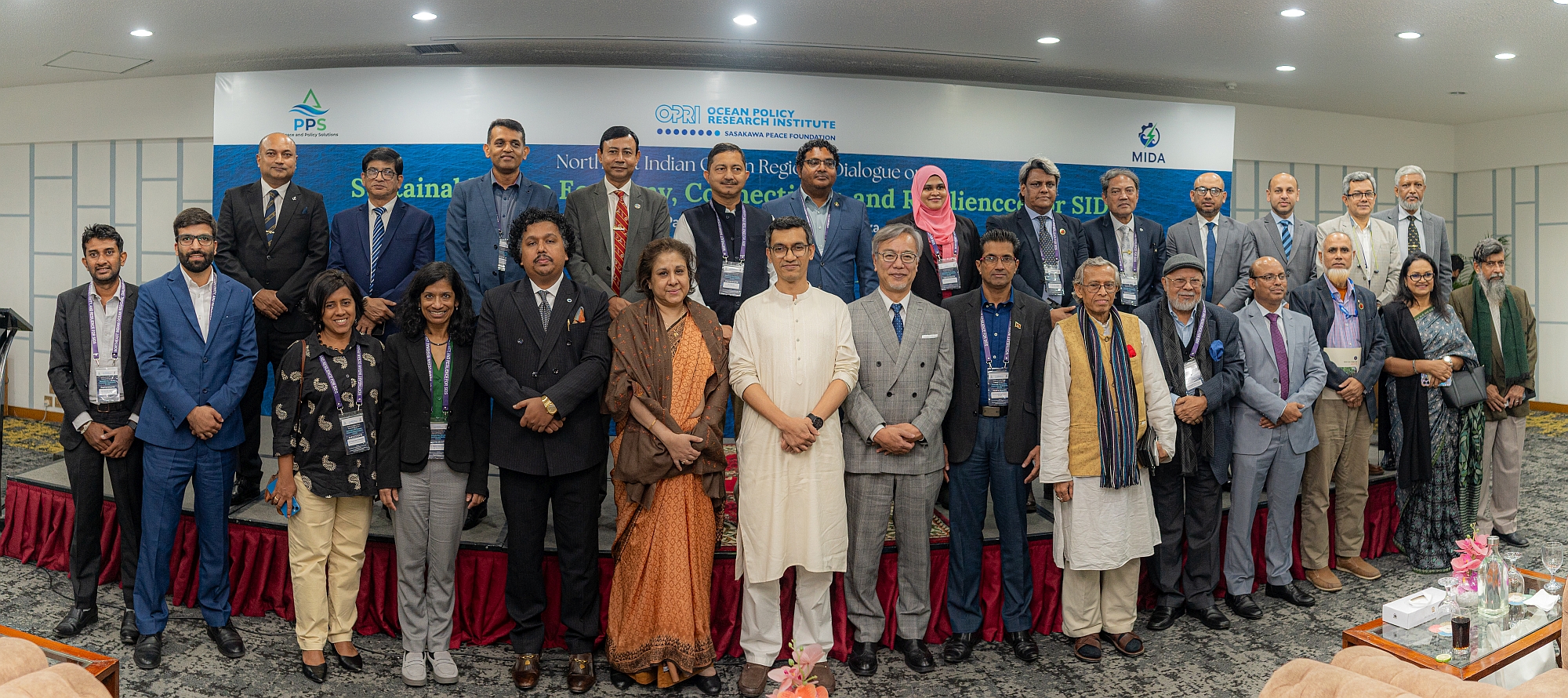
Picture of the NIOD-conference delegates-13th January 2026
The Northeast Indian Ocean Regional Dialogue convened high-level delegates and experts to advance dialogue and cooperation on sustainable blue economy development, regional connectivity, and community resilience in Small Island Developing States (SIDS). This gathering is part of the Global Synergy Project and represents the third in a series of strategic dialogues following similar events in the Caribbean and Pacific.
Participants included representatives from Bangladesh, India (Andaman & Nicobar Islands), Sri Lanka, Maldives, Japan, and the USA. The dialogue sought to address shared challenges of coastal vulnerability, climate-induced loss and damage, marine spatial planning, blue finance, fisheries, and inclusive development for marginalized communities in the Northeast Indian Ocean SIDS region.
Held over two days, the dialogue featured nine thematic plenary sessions, keynote addresses, and working group discussions that culminated in the development of a “Dhaka Statement”—a shared regional roadmap outlining actionable priorities, climate-financing needs, and policy recommendations to support sustainable ocean governance for the SIDS.
In the inaugural session Welcome Address remarks Professor Mitsutaku Makino, President of OPRI, highlighted Japan’s commitment to a Free and Open Indo-Pacific, stressing the importance of marine stewardship, regional collaboration, and addressing shared environmental threats like coral bleaching, sea-level rise, and plastic pollution.
Participants included representatives from Bangladesh, India (Andaman & Nicobar Islands), Sri Lanka, Maldives, Japan, and the USA. The dialogue sought to address shared challenges of coastal vulnerability, climate-induced loss and damage, marine spatial planning, blue finance, fisheries, and inclusive development for marginalized communities in the Northeast Indian Ocean SIDS region.
Held over two days, the dialogue featured nine thematic plenary sessions, keynote addresses, and working group discussions that culminated in the development of a “Dhaka Statement”—a shared regional roadmap outlining actionable priorities, climate-financing needs, and policy recommendations to support sustainable ocean governance for the SIDS.
In the inaugural session Welcome Address remarks Professor Mitsutaku Makino, President of OPRI, highlighted Japan’s commitment to a Free and Open Indo-Pacific, stressing the importance of marine stewardship, regional collaboration, and addressing shared environmental threats like coral bleaching, sea-level rise, and plastic pollution.
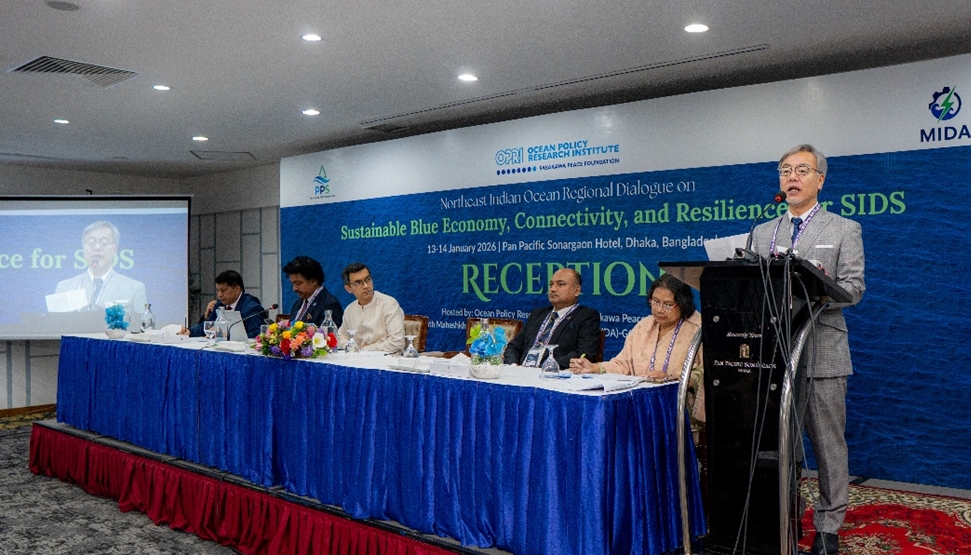
Professor Mitsutaku Makino, President of OPRI-SPF-13th January 2026
In Chief guest remarks Chowdhury Ashik Mahmud Bin Harun, Executive Chairman of MIDA, emphasized the government's vision to build a strong foundation for Bangladesh’s future blue economy. He underscored the need to harness the country’s vast maritime resources larger than its landmass and align national efforts with coastal development, job creation, and ecological preservation.
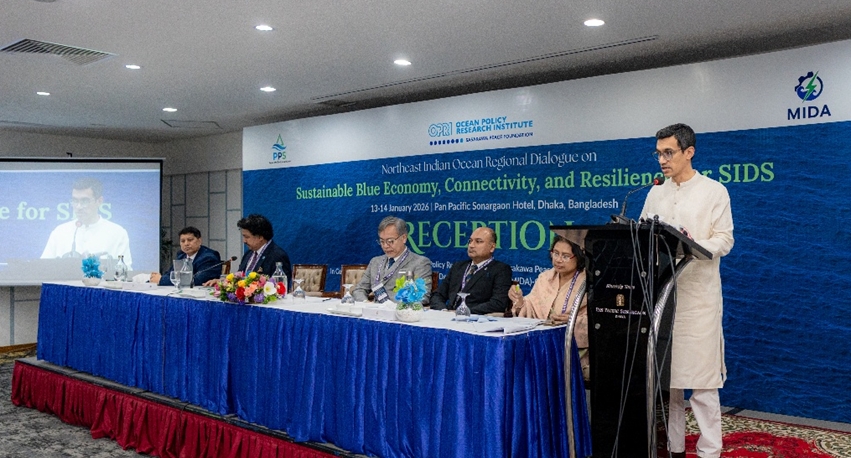
Chief guest -Chowdhury Ashik Mahmud Bin Harun, Executive Chairman of MIDA
Keynote addressed by Dr. Emadul Islam, Senior Research Fellow at OPRI-SPF, described the ocean as the “lifeblood of the global economy” and stressed the urgency of inclusive policymaking that reflects the voices of vulnerable communities. He cautioned that the Bay of Bengal could become a "plastic soup" within two decades if current trends continue.
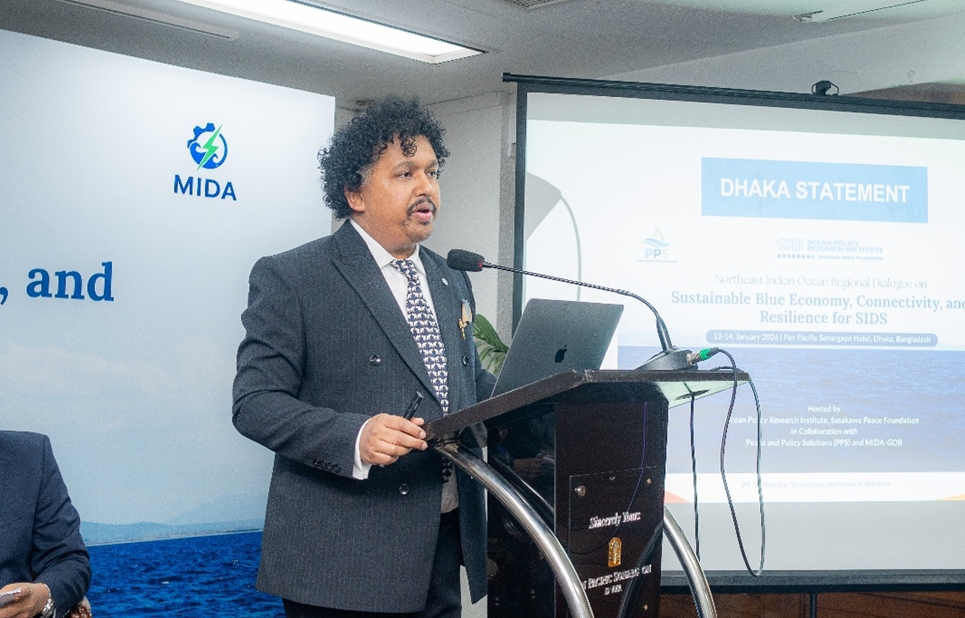
Dr. Emadul Islam, Senior Research Fellow at OPRI-SPF
Plenary Session 1: Advancing the Sustainable Blue Economy in South Asia’s SIDS and Coastal States
This high level session explores strategies for strengthening the sustainable blue economy in South Asia’s Small Island Developing States (SIDS) and coastal regions, with a focus on Bangladesh, Sri Lanka, the Maldives, and India’s Andaman and Nicobar Islands. Speakers examine the region’s shared vulnerabilities—from climate change to marine resource depletion—and highlight locally grounded initiatives and science-policy interfaces that foster economic resilience and environmental stewardship. The discussion seek to identify regional pathways for collaboration in fisheries, coastal tourism, marine conservation, and community livelihoods to ensure inclusive and sustainable ocean-based development in the Northeast Indian Ocean.
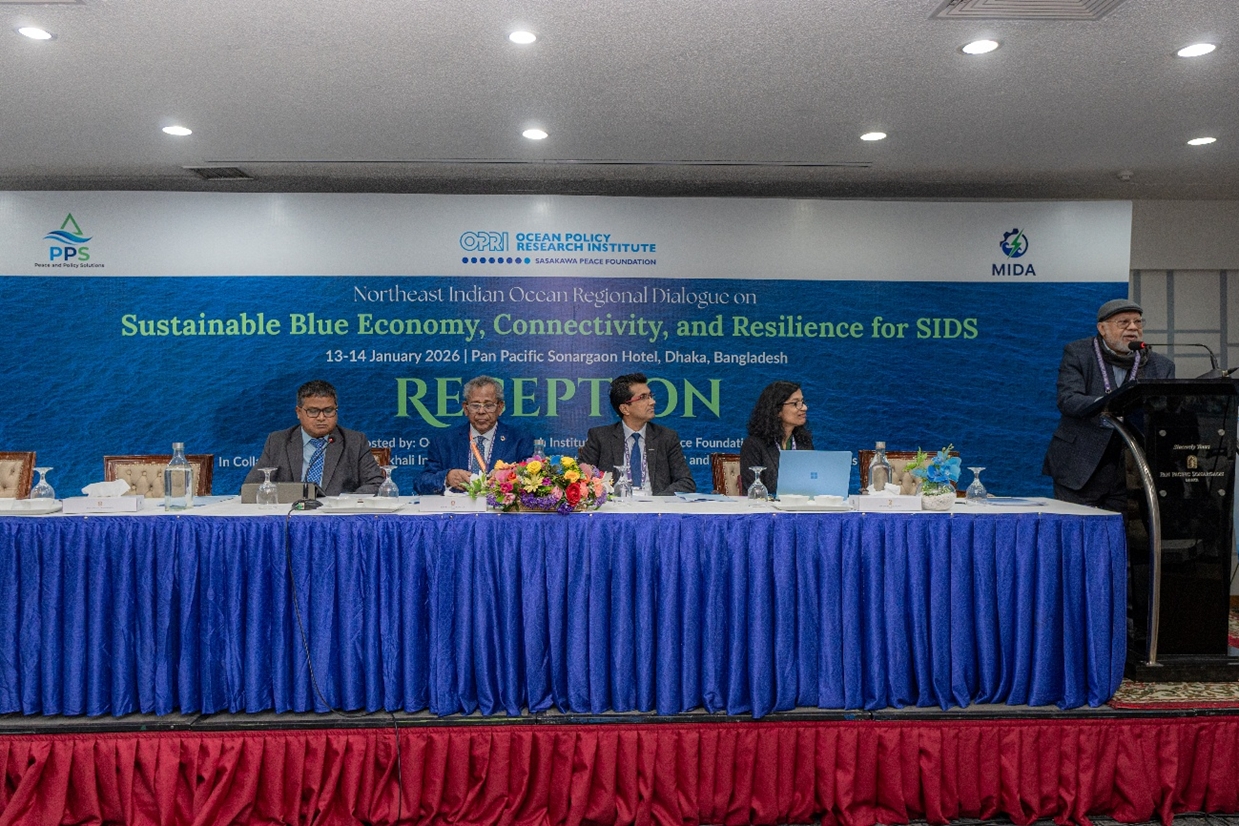
Panelists plenary session-1, 13th January 2026
Plenary Session 2 - Connectivity and Regional Integration: Ports and Shipping in the Northeast Indian Ocean
This session covers regional port connectivity and the evolving shipping landscape across the Northeast Indian Ocean. Presentations will spotlight key infrastructure developments, including Bangladesh’s Matarbari Deep Sea Port and its associated Maheshkhali Integrated Development Authority (MIDA) interventions, and Colombo port Sri Lanka as well as India’s Port Blair in the Andaman and Nicobar Islands.
The speakers from across South Asia have called for a paradigm shift in regional maritime integration, emphasising the need for smart ports, indigenous technology, and shared Underwater Domain Awareness (UDA) in the Northeast Indian Ocean.
The discussants highlighted the strategic importance of deep-sea ports like Matarbari in enhancing trade and logistics connectivity across the region.
Commodore Tanzim Faruq, representing the Moheshkhali Integrated Development Authority (MIDA), said the Matarbari Deep Sea Port is being developed not only as a national infrastructure project but as a regional hub to facilitate trade across South Asia and beyond.
"When Matarbari Deep Sea Port becomes fully operational, mother vessels will be able to arrive and depart directly. This will reduce export time by 19% and shipping costs by 25%," he said.
Tanzim added that Mida is following a phased master plan extending to 2056, aiming to transform the Moheshkhali-Matarbari region into a vibrant hub of economic activity while ensuring environmental sustainability.
Dr Arnab Das, founder and director of the Maritime Research Centre, India, emphasised the critical role of UDA in regional connectivity, noting that 95% of resources and challenges lie below the surface.
He cautioned against over-reliance on Western technology, highlighting that sonar systems tested in other waters often underperform in tropical conditions.
A sonar tested in Russian waters might give 32 nautical miles of range, but here it degrades by 60%. Indigenous capability development is essential," Dr Das said.
He also criticised current sediment management practices, particularly dredging, as unsuitable for tropical ports.
Dr Namal Bandarnayake of the University of Peradeniya, Sri Lanka, noted that Eastern seaboard countries currently have to navigate around Sri Lanka to access the Port of Colombo.
He proposed linking deep-water ports such as Trincomalee, Hambantota, and Colombo via a dedicated rail corridor, which could reduce transit times by one to two days while significantly cutting costs and carbon emissions.
Former maritime affairs secretary Rear Admiral (retd) Khurshed Alam highlighted the technological dimension of smart ports, stressing the integration of blockchain, AI, IoT, automated gate systems, and real-time data exchange to enhance efficiency and transparency in port operations and customs.
The session, moderated by Commodore (retd) Sheikh Mahmudul Hassan, additional secretary of the Maritime Affairs Unit.
The speakers from across South Asia have called for a paradigm shift in regional maritime integration, emphasising the need for smart ports, indigenous technology, and shared Underwater Domain Awareness (UDA) in the Northeast Indian Ocean.
The discussants highlighted the strategic importance of deep-sea ports like Matarbari in enhancing trade and logistics connectivity across the region.
Commodore Tanzim Faruq, representing the Moheshkhali Integrated Development Authority (MIDA), said the Matarbari Deep Sea Port is being developed not only as a national infrastructure project but as a regional hub to facilitate trade across South Asia and beyond.
"When Matarbari Deep Sea Port becomes fully operational, mother vessels will be able to arrive and depart directly. This will reduce export time by 19% and shipping costs by 25%," he said.
Tanzim added that Mida is following a phased master plan extending to 2056, aiming to transform the Moheshkhali-Matarbari region into a vibrant hub of economic activity while ensuring environmental sustainability.
Dr Arnab Das, founder and director of the Maritime Research Centre, India, emphasised the critical role of UDA in regional connectivity, noting that 95% of resources and challenges lie below the surface.
He cautioned against over-reliance on Western technology, highlighting that sonar systems tested in other waters often underperform in tropical conditions.
A sonar tested in Russian waters might give 32 nautical miles of range, but here it degrades by 60%. Indigenous capability development is essential," Dr Das said.
He also criticised current sediment management practices, particularly dredging, as unsuitable for tropical ports.
Dr Namal Bandarnayake of the University of Peradeniya, Sri Lanka, noted that Eastern seaboard countries currently have to navigate around Sri Lanka to access the Port of Colombo.
He proposed linking deep-water ports such as Trincomalee, Hambantota, and Colombo via a dedicated rail corridor, which could reduce transit times by one to two days while significantly cutting costs and carbon emissions.
Former maritime affairs secretary Rear Admiral (retd) Khurshed Alam highlighted the technological dimension of smart ports, stressing the integration of blockchain, AI, IoT, automated gate systems, and real-time data exchange to enhance efficiency and transparency in port operations and customs.
The session, moderated by Commodore (retd) Sheikh Mahmudul Hassan, additional secretary of the Maritime Affairs Unit.
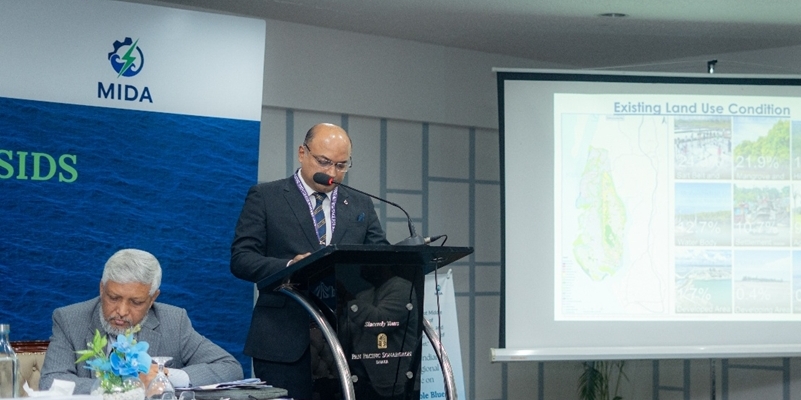
Commodore Tanzim Faruq, Member, MIDA, GOB
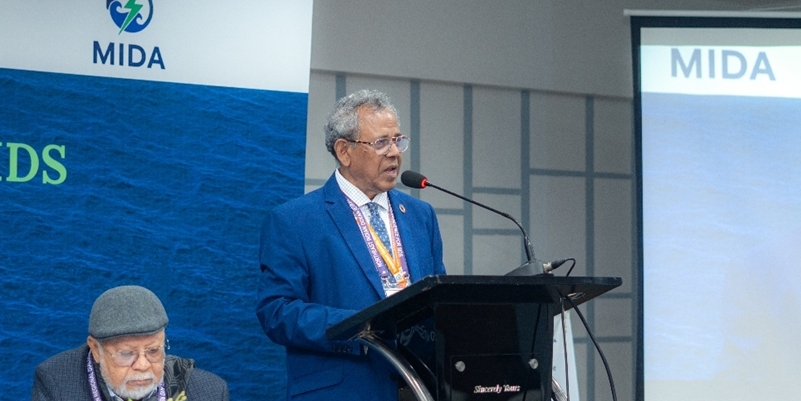
Admiral (rtd) Md. Khurshed Alam, CBOBS, Independent University Bangladesh
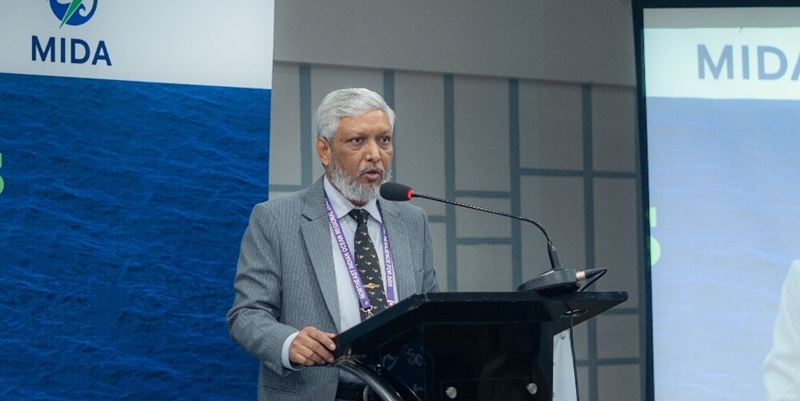
Commodore Sheikh Mahmudul Hassan, Additional Secretary, Maritime Affairs Unit, MoFA
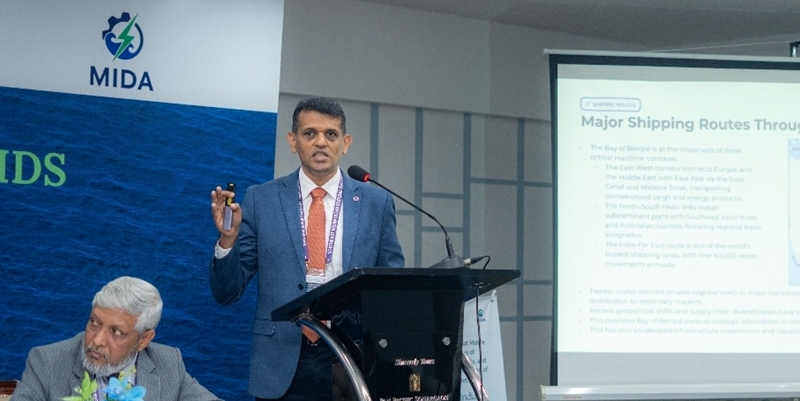
Dr Namal Bandarnayake, University of Peradenia, Sri Lanka
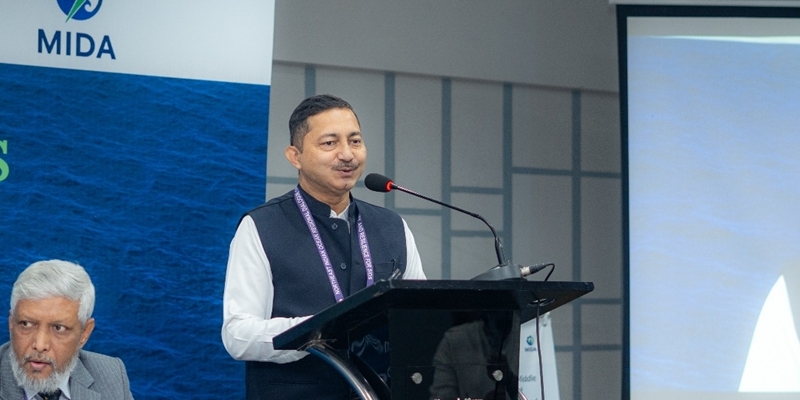
Dr Arnab Das, Maritime Research Center, India
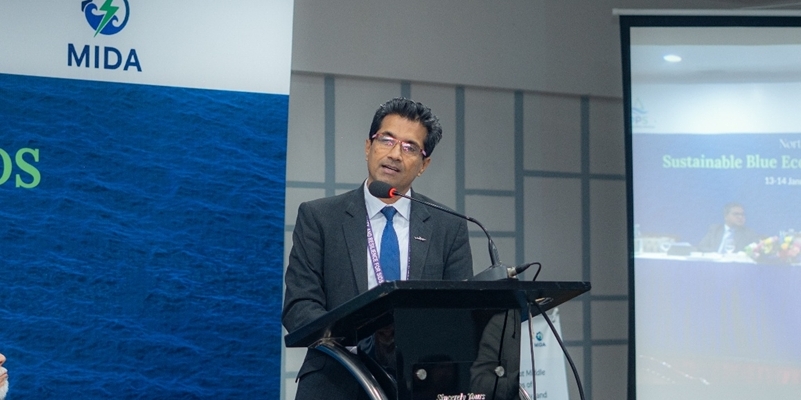
Prof. P.B.Terney Pradeep Kumara, Director General of Coastal Conservation and Costal Resource Management Department, Sri Lanka
Plenary Session 3 - Country Roundtable: Bangladesh, Sri Lanka, Maldives, and Andaman and Nicobar Island, India
In plenary Session 3- cover the multifaceted impacts of climate-induced loss and damage both economic and non-economic across the Small Island Developing States (SIDS) in the Indian Ocean. Four participants countries Bangladesh, Sri Lanka, Maldives, and Andaman & Nicobar Island, India shared their research update implemented by the OPRI-SPF .The speakers highlight the use of the Comprehensive Climate Impact Quantification (CCIQ) methodology, a participatory research tool designed to capture localized experiences and count marginalized voices in assessing climate vulnerabilities. Delegates from participating countries present case studies and recent research findings that illustrate how CCIQ has been effectively applied to document climate risks, livelihood impacts, and community resilience. The session aims to foster cross-country learning and policy innovation for addressing climate related loss and damage.
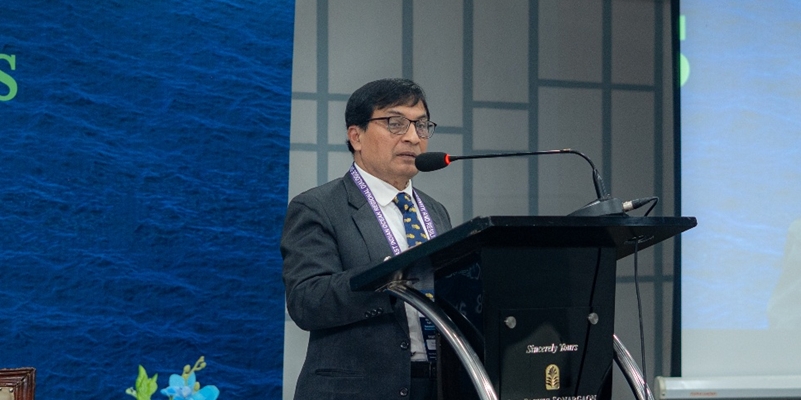
Dr. Pear Mohammad, Former Additional Secretary, GoB
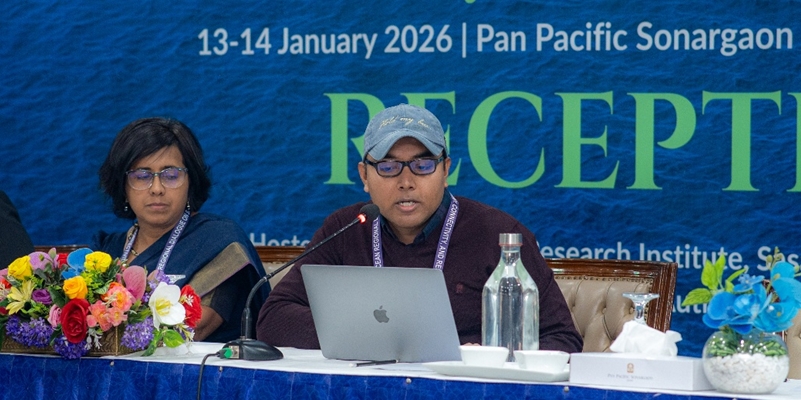
Dr Zainuddin Ahmed, Australian National University
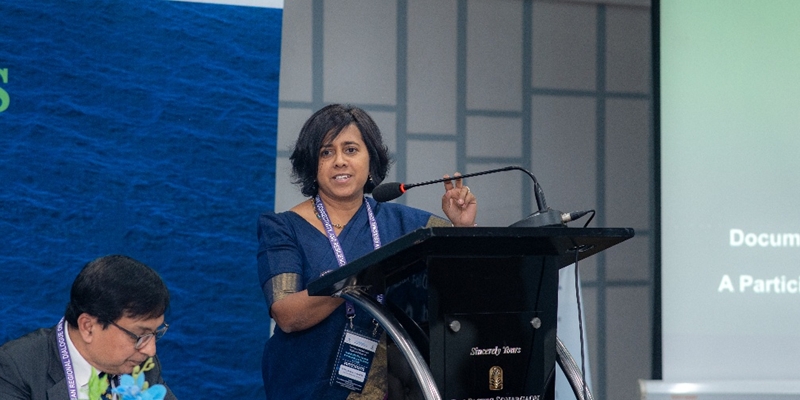
Dr Priyadarshani Premarathne, University of Peradenia, Sri Lanka
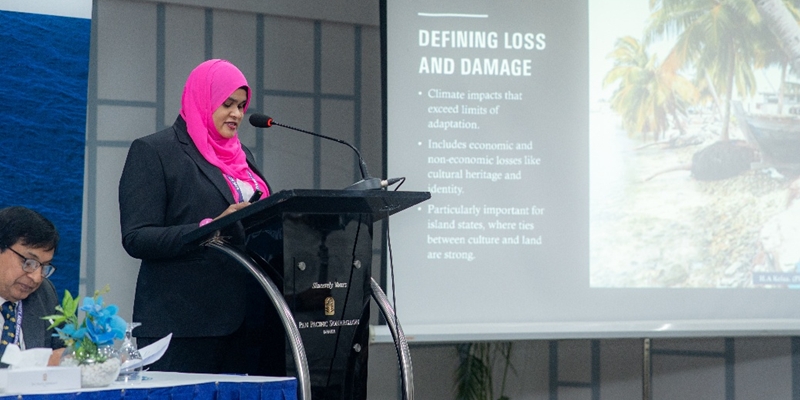
Dr. Mariyam Shahuneeza Naseer, Dean of Research at The Maldives National University
Plenary Session 4 - Financing and Partnerships for Blue Economy and Connectivity for Indian Ocean SIDS
This session examine current financing mechanisms and regional partnerships advancing the sustainable blue economy and connectivity in the Indian Ocean’s Small Island Developing States (SIDS). The speakers provide a critical analysis of financial instruments such as blue bonds and the Green Climate Fund, highlighting both success stories and challenges encountered in their application across the region. Presenters will explore opportunities to enhance climate finance access, foster public-private collaboration, and build resilient financial ecosystems. The session aims to identify practical pathways for strengthening investment readiness and accelerating inclusive blue economy growth through innovative, impact-driven partnerships.
In the discussion professor Dr. Vijay Sakhuja highlighted the following item is a major takeways from the session-
In the discussion professor Dr. Vijay Sakhuja highlighted the following item is a major takeways from the session-
- Blue Bonds are a potent financial instrument for private investors with dual dividends i.e. their commitment to “Environmental, Social, and Governance” and individual wealth creation.
- These can potentially fosters jobs and economic growth pivoting on Blue Economy.
- Blue Washing through Industry 4.0 technologies is a useful tool to ensure transparency in investments.
- Lack of awareness of Blue Economy among national stock exchange and fund managers needs to be addressed.
- Bay of Bengal Blue Bonds under a sub-regional Stock Exchange such as the Latin American Stock Exchange (LATINEX) can be explored.
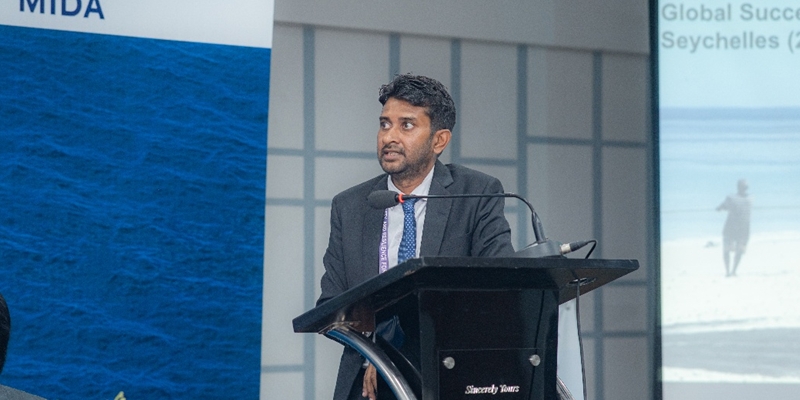
Mr. Susantha Udagedara, Sri Lanka
Plenary session 5 - Non-Traditional Security, Climate Adaptation, and Disaster Risk Governance in Indian Ocean SIDS
This session explore the intersection of non-traditional security threats, climate change adaptation, and disaster risk management in the context of Small Island Developing States (SIDS) in the Indian Ocean. Discussions will emphasize the growing relevance of integrating health security into disaster risk governance, particularly in the face of climate-induced hazards. Delegates will also reflect on the unique vulnerabilities and adaptation needs of smaller island states, highlighting localized approaches to resilience building, early warning systems, and climate-responsive public health infrastructure. The session to foster a multidimensional understanding of human security challenges in an era of compounding climate risks.
The Keynote address on-Importance of Integration of Health in Disaster Risk Governance, Indian Ocean Perspective by Dr. Qudsia Huda, WHO Headquarters
Dr. Nilanthi Samaranayake, Adjunct fellow at the East-West Center's Washington, DC, USA present her scholarly remarks on -The Indian Ocean: Traditional Security, Non-Traditional security, and Smaller State
The Keynote address on-Importance of Integration of Health in Disaster Risk Governance, Indian Ocean Perspective by Dr. Qudsia Huda, WHO Headquarters
Dr. Nilanthi Samaranayake, Adjunct fellow at the East-West Center's Washington, DC, USA present her scholarly remarks on -The Indian Ocean: Traditional Security, Non-Traditional security, and Smaller State
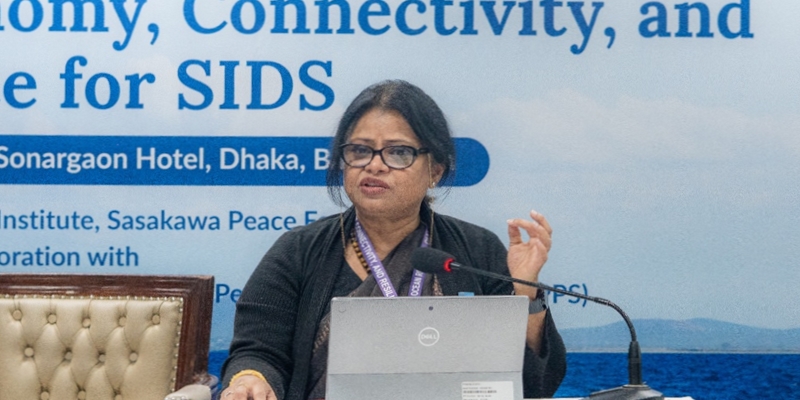
Dr. Qudsia Huda, WHO Headquarters
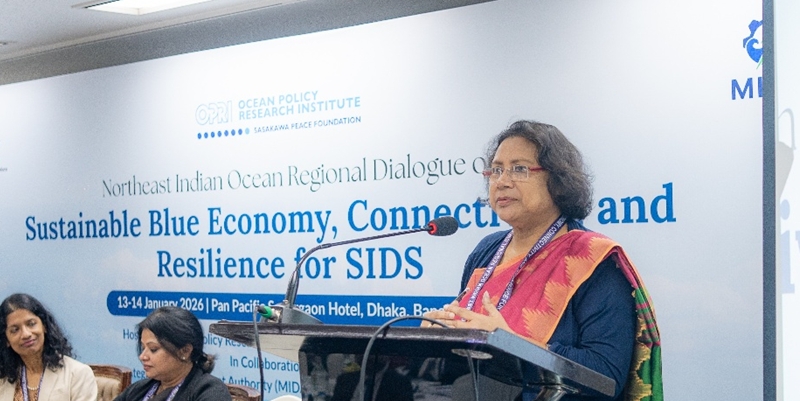
MS. Mahbooba Panna, Former Additional Secretary, GoB
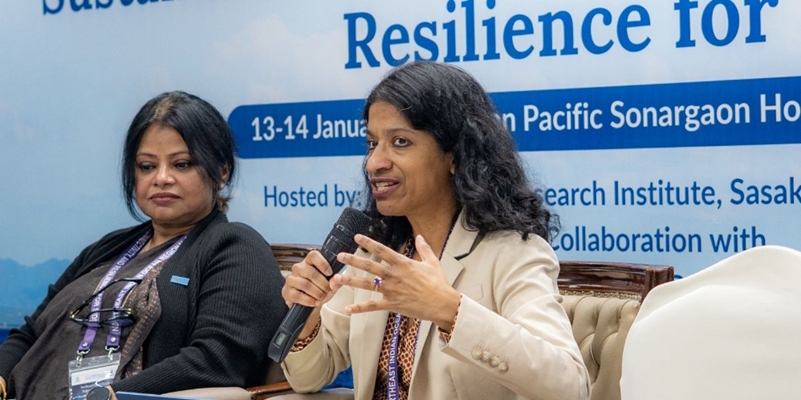
Dr. Nilanthi Samaranayake, Adjunct fellow at the East-West Center's Washington, DC, USA
Plenary session 6 - Role of Science Policy interface and indigenous climate adaptation mechanism for Resilience Indian Ocean SIDS
This session examine how science-policy interfaces can effectively drive sustainable blue economy development and enhance climate resilience across the Small Island Developing States (SIDS) of the Indian Ocean. It explore country-specific adaptation statuses, assess the vulnerability of coastal communities, and highlight progress in national adaptation planning. A particular focus will be placed on integrating indigenous knowledge systems with scientific approaches to create locally grounded and resilient solutions. The session also discuss the role of multilateral frameworks—including COP negotiations, the Kunming-Montreal Global Biodiversity Framework, and other treaty mechanisms—in shaping adaptive strategies and positioning 2026 as a pivotal year for advancing the blue economy in the region.
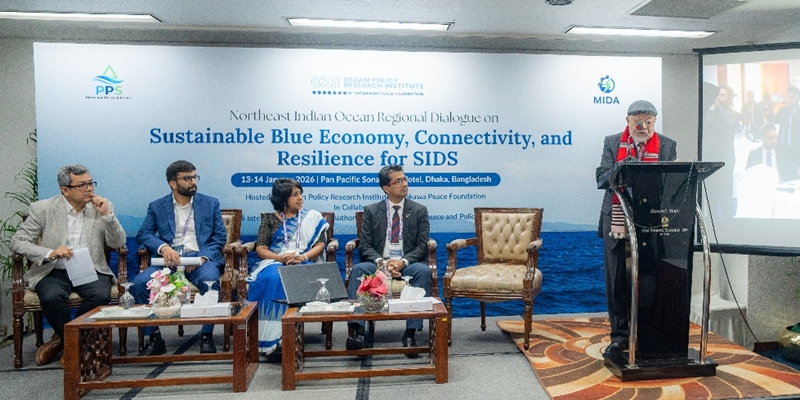
Panelists of Plenary Session-6
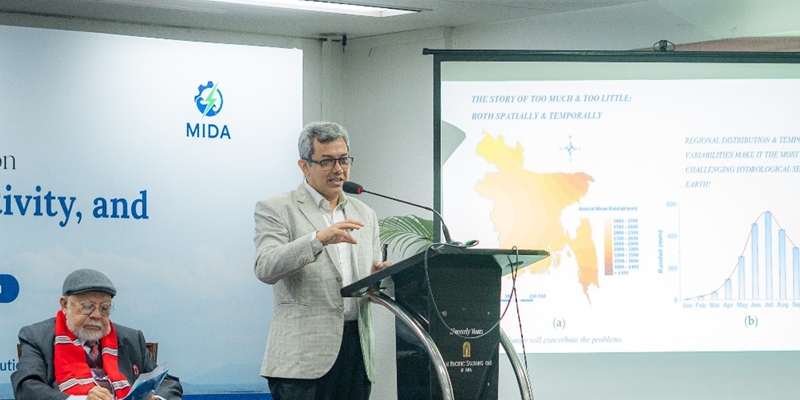
Md Shamsuddoha, Chief Executive, CRPD
Plenary session 7 - Fisheries and Tourism for Sustainable Livelihoods for Indian Ocean SIDS
This session explore the current status and future prospects of the fisheries and mariculture sectors across Indian Ocean Small Island Developing States (SIDS). Speakers highlights the region’s opportunities in sustainable aquaculture and value-added fisheries production, while also addressing persistent challenges such as Illegal, Unreported, and Unregulated (IUU) fishing. Discussions cover national and regional strategies to strengthen fisheries governance, ensure equitable benefit-sharing for coastal communities, and promote blue growth. Presentations draw on country experiences, research insights, and regional cooperation frameworks to chart a path toward resilient and inclusive marine resource management.
This session explore the current status and future prospects of the fisheries and mariculture sectors across Indian Ocean Small Island Developing States (SIDS). Speakers highlights the region’s opportunities in sustainable aquaculture and value-added fisheries production, while also addressing persistent challenges such as Illegal, Unreported, and Unregulated (IUU) fishing. Discussions cover national and regional strategies to strengthen fisheries governance, ensure equitable benefit-sharing for coastal communities, and promote blue growth. Presentations draw on country experiences, research insights, and regional cooperation frameworks to chart a path toward resilient and inclusive marine resource management.
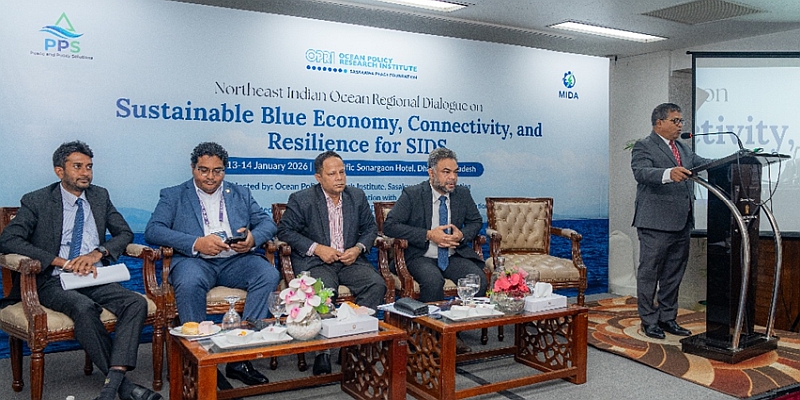
Plenary session 7
Mr. Ismail Azzam Wajeeh, Focal LOWA, Maldives presentation Title: Strengthening Tourism Sector MSME’s for Sustainable Livelihoods Across Indian Ocean SIDS highlights importance of support and guidance required to MSME's in tourism sector especially to manage resources in order to reap savings and resource efficiency. Thus, leading to decreased marine pollution. It framed the need to shift toward circular economy and imperativeness of circular economy governance at macro, meso and micro levels for successful implementation The presentation exerts the key importance of multi-stakeholder coordination for successful sustainable development in Maldives.
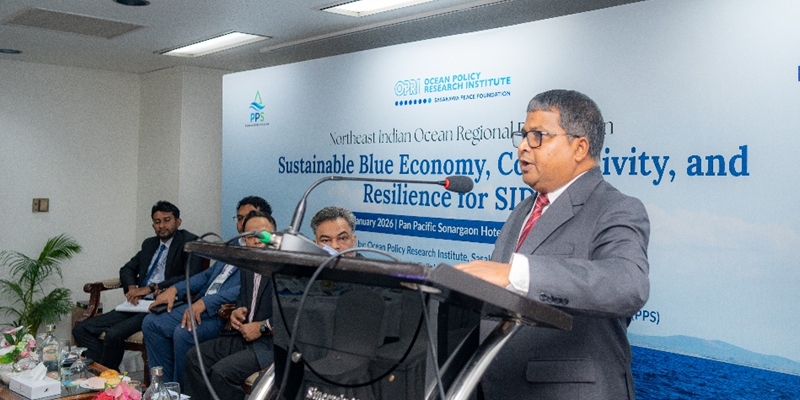
Dr. Hussain Rasheed Hassan, Former Minister of Environment, as well as Minister of Fisheries, Agriculture, and Marine Resources, Maldives. Dr Hassan shared key lesson from the Maldives is that fisheries, tourism, and connectivity are not separate compartments. They’re one livelihood system.
Fisheries sustainability is a regional public good—fish move. And illegal, unreported and unregulated fishing in one area undermines everyone. At the same time, connectivity can either help or hurt sustainability. Good port services and efficient shipping can reduce spoilage, lower costs, and cut emissions. Poor systems can increase waste, pollution, and vulnerability.
If we improve logistics and cold chain, we improve fisher incomes and food security. If we improve traceability and standards, we protect market access and capture premium prices. If we reduce pollution and protect ecosystems, we strengthen tourism value and coastal protection.
If we improve logistics and cold chain, we improve fisher incomes and food security. If we improve traceability and standards, we protect market access and capture premium prices. If we reduce pollution and protect ecosystems, we strengthen tourism value and coastal protection.
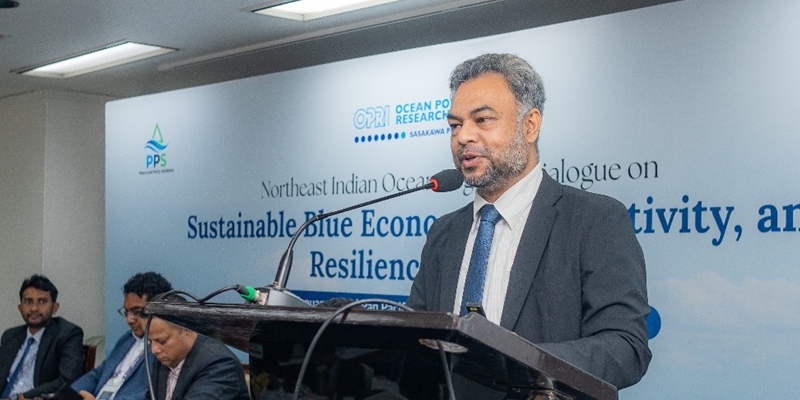
Dr Anwar Hossain, Professor, University of Dhaka, Bangladesh
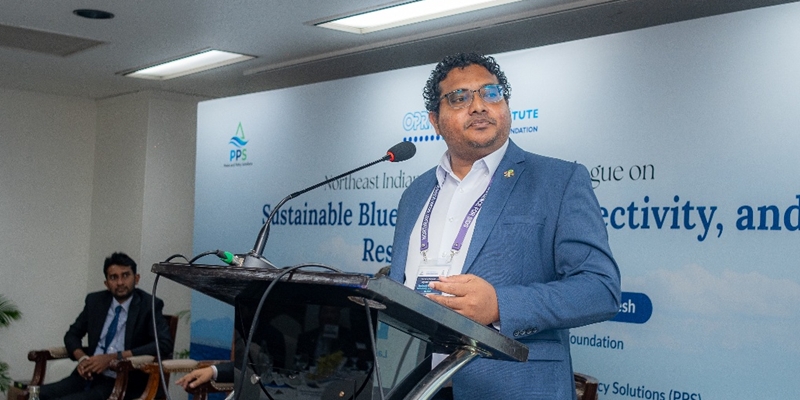
Mr. Ismail Azzam Wajeeh, Focal LOWA, Maldives
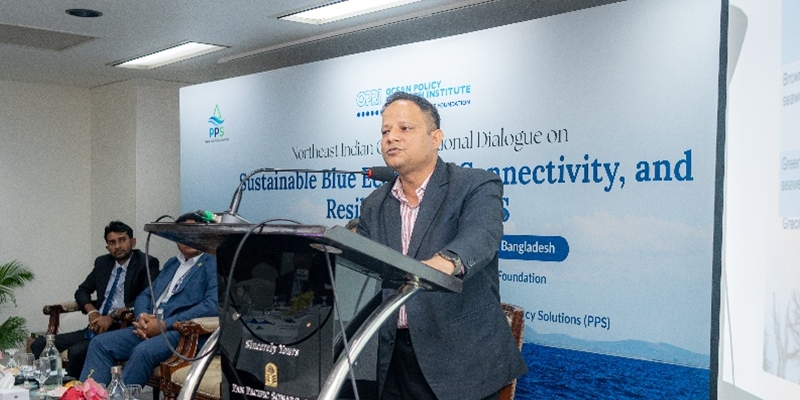
Dr. Muhammad Tanvir Hossain Chowdhury, Deputy Director, Department of Fisheries
The two days conference concluded with the following key takeways and developed a Dhaka Statement
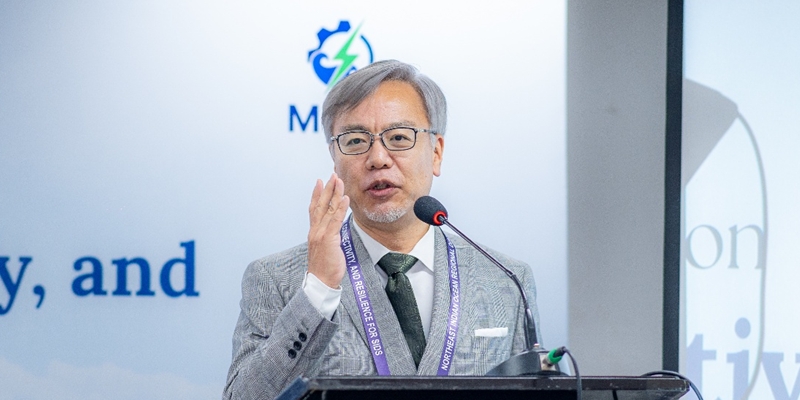
Professor Mitsutaku Makino, President, OPRI
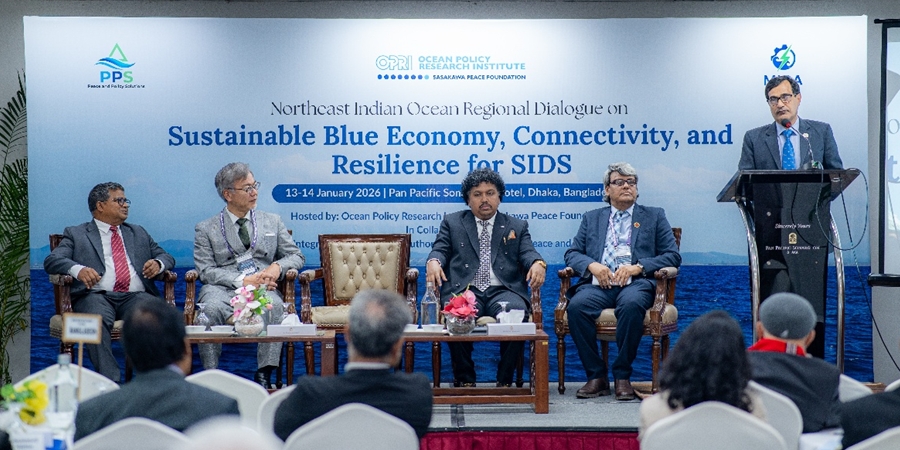
Closing session and Chief guest remark
Drawing on plenary discussions, country perspectives, and working group deliberations, participants identified the following regional action priorities to guide future cooperation and implementation:
First: Regional ocean data and early warning cooperation.
- We should strengthen shared services for storms, sea level, coastal erosion, coral stress, and ocean temperature—because better information saves lives and reduces losses.
Second: Fisheries science, compliance, and traceability.
- Let’s cooperate on MCS, share lessons on digital catch documentation and traceability, and coordinate against IUU fishing. This protects stocks and strengthens market confidence.
Third: Resilient and greener ports and shipping practices.
- We can develop common guidance for climate-proof port infrastructure, waste reception and spill response, and port digitalization—so connectivity becomes cheaper, cleaner, and more reliable.
Fourth: A project preparation and blue finance pipeline.
- We need to move from dialogue to bankable projects coastal protection including nature-based solutions, cold chain and value addition, clean energy for islands and ports—supported by blended finance.
These takeaways position the blue economy as a resilience-driven, value-creating, and community-benefiting regional agenda implemented through shared data, standards, enforcement, greener connectivity, and a credible finance pipeline for the Indian Ocean SIDS.
- Advance inclusive and sustainable blue economy strategies that place community wellbeing and ecosystem integrity at their core.
- Strengthen climate resilience through anticipatory, people-centred adaptation approaches that address compounding and cascading risks.
- Protect and restore marine and coastal ecosystems as foundations of livelihoods, food security, and disaster risk reduction.
- Appropriate measures to be taken and technological upgradation need to be assured to upgrade the present ports in the region to become a smart port.
- Enhance resilience of ports, shipping, and connectivity infrastructure through climate-sensitive design and regional cooperation.
- Robust national evidence on loss and damage is critical for informing policy, identifying adaptation limits, strengthening climate justice claims, and amplifying the Maldives’ voice in global UNFCCC processes.
- Institutionalize science–policy–community interfaces to ensure that decision-making is informed by credible, relevant, and accessible evidence.
- Systematically document economic and non-economic loss and damage through participatory approaches, including Comprehensive Climate Impact Quantification (C-CIQ).
- Utilize the Climate Loss Index (CLiX) as a regional learning tool to support equitable policy design and cross-country comparison.
- One shared ocean system: The Northeast Indian Ocean is interconnected—fish stocks, storms, pollution, and shipping routes cross borders—so solutions must be regional and cooperative.
- For SIDS, blue economy = national survival: It underpins food security, jobs, foreign exchange, and stability—not a branding concept.
- Ecosystems are the economic foundation: Fisheries and tourism depend on healthy reefs, coasts, and fish stocks; degradation directly reduces income and resilience.
- Resilience is now economic policy: Climate impacts are already visible (sea-level rise, erosion, heatwaves, coral stress, shifting fish). Every investment must be climate-proofed.
- Treat fisheries–tourism–connectivity as one livelihood system: Logistics, cold chain, standards, and pollution control determine incomes, food security, market access, and tourism value.
- Foster partnerships and networks across the Northeast Indian Ocean to sustain dialogue, share lessons, and mobilize resources for collective action.
First: Regional ocean data and early warning cooperation.
- We should strengthen shared services for storms, sea level, coastal erosion, coral stress, and ocean temperature—because better information saves lives and reduces losses.
Second: Fisheries science, compliance, and traceability.
- Let’s cooperate on MCS, share lessons on digital catch documentation and traceability, and coordinate against IUU fishing. This protects stocks and strengthens market confidence.
Third: Resilient and greener ports and shipping practices.
- We can develop common guidance for climate-proof port infrastructure, waste reception and spill response, and port digitalization—so connectivity becomes cheaper, cleaner, and more reliable.
Fourth: A project preparation and blue finance pipeline.
- We need to move from dialogue to bankable projects coastal protection including nature-based solutions, cold chain and value addition, clean energy for islands and ports—supported by blended finance.
These takeaways position the blue economy as a resilience-driven, value-creating, and community-benefiting regional agenda implemented through shared data, standards, enforcement, greener connectivity, and a credible finance pipeline for the Indian Ocean SIDS.
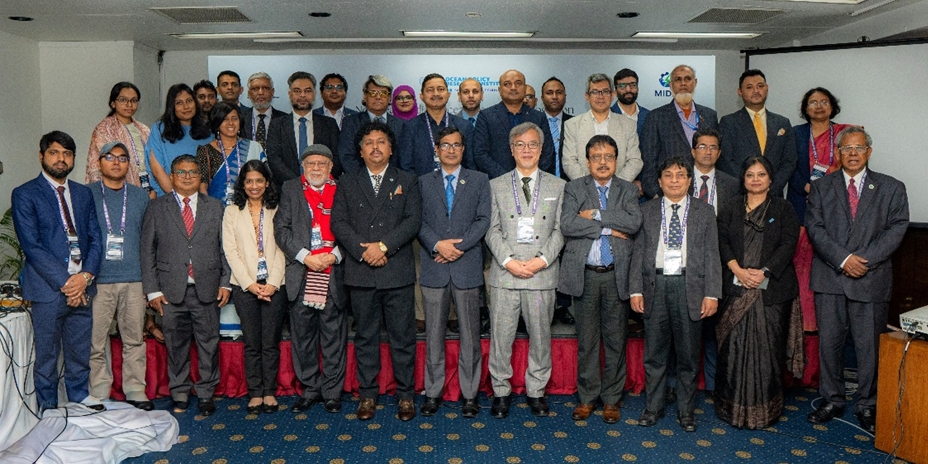
Northeast Indian Ocean Regional Dialogue-14th January
Participants comment
Joining my voice with others in appreciating SPF OPRI for organizing a truly impactful meeting. The leadership in fostering dialogue and cooperation on this important agenda is commendable. Hats off to Prof Makino and Emadul for your relentless efforts which was key behind this success. It was great to meet so many experts from whom I learned a lot! Honored to be part of it. Looking forward to working with you all on Dhaka Statement. Warm regards to all. (Dr Qudsis Huda, WHO)
Congratulations on an excellently organized, well-planned and curated seminar with high quality participants who brought depth and vision to the discussions. Look forward to receiving text of Dhaka Declaration. (Ambassador (retd) Tariq A. Karim)
Congratulations on an excellently organized, well-planned and curated seminar with high quality participants who brought depth and vision to the discussions. Look forward to receiving text of Dhaka Declaration. (Ambassador (retd) Tariq A. Karim)
Media Coverage
(Dr. Emadul Islam, Senior Research Fellow, OPRI)