



Secretary of State Marco Rubio of the United States (U.S.) visited India for the first time from May 23 to May 27, 2026. India-U.S. relations had been steadily deteriorating after India resolutely refused to endorse U.S. President Donald Trump’s claim that he had brokered a ceasefire in the four-day skirmishes between India and Pakistan that had occurred exactly one year previously. [1] During this period, President Trump and Prime Minister Narendra Modi did not meet face-to-face even once, not even at multilateral forums. At the ministerial level, from the Indian side, External Affairs Minister Dr. Subrahmanyam Jaishankar visited the U.S. three times, including to attend the United Nations General Assembly, and Minister of Commerce & Industry Piyush Goyal also visited the U.S. multiple times for trade negotiations, but from the U.S. side, ministerial visits to India ceased except for a brief stopover in New Delhi by Secretary of Commerce Howard Lutnick in February 2026. [2]
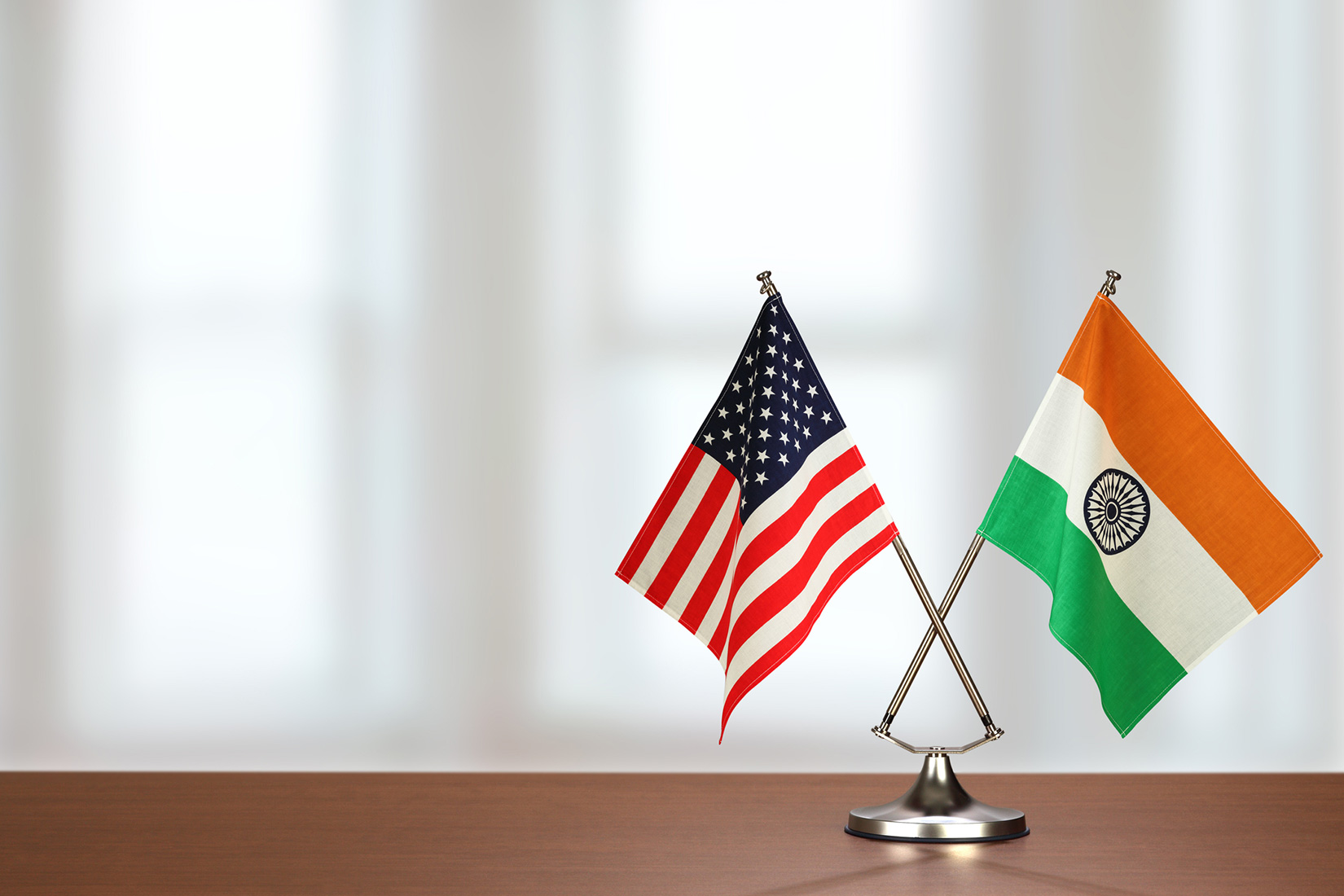
Rubio Expresses His Intention to Repair the Relationship
In that context, it was revealed that Secretary of State Rubio would visit India to hold bilateral talks and also attend the Japan-Australia-India-U.S. (Quad) Foreign Ministers’ Meeting for the first time in approximately one year, which drew attention to the question of whether the strained India-U.S. relationship would be repaired. This was because Rubio, who is essentially seen as a hardliner against China, was thought to be prioritizing the relationship with India and cooperation in the Indo-Pacific.
Secretary of State Rubio has certainly expressed such intentions. In a joint press availability with External Affairs Minister Jaishankar, he once again confirmed that, for the U.S., India is “one of our most important strategic partners in the world.” Moreover, he said that this was because the two countries “shared values” as “the two largest democracies in the world” and at the same time “our nations are strategically aligned on all of the key issues,” and he evaluated the relationship between the two countries as being a “strategic alliance.” [3] In a courtesy call on Prime Minister Modi, Rubio brought up the fact that India plays an important role in the U.S.’s Indo-Pacific policy, and extended an invitation, on behalf of President Trump, to the Prime Minister to visit the White House in the second half of 2026. [4] Trump made a surprise phone call to an event hosted by the U.S. Embassy in India that Rubio was attending, saying things such as “India can count on me 100 per cent,” and “I am a big, big fan of Prime Minister Modi,” making it seem as though even Trump was endeavoring to dispel any sense of distrust on the Indian side. [5]
Concerns about the Policy of the United States Toward China and Changes in the Strategic Value of India
However, it is difficult to conclude that Rubio’s visit to India paved the way toward repairing the India-U.S. relationship. This is because India’s dissatisfaction and concerns with respect to the Trump administration’s words and actions over the past year and its expected future policy direction have not been resolved in any way. Strategically, firstly, there has been a change in the way the U.S. deals with China. To date, the U.S., along with allies such as Japan and Australia, has embraced India as an essential partner and adopted a bipartisan policy to counter the Chinese challenge. However, President Trump took the opportunity of the Asia-Pacific Economic Cooperation (APEC) summit at the end of October 2025 to hold a meeting with President Xi Jinping in the Republic of Korea (ROK) and, following this, visited China as a state guest and held another summit meeting from May 13 to May 15, immediately before Rubio’s visit to India. At the state banquet, Trump announced that he would invite Xi Jinping to visit the White House on September 24 as a state guest.
The U.S. of Trump 2.0 may be planning the system of domination by the U.S. and China called the “G2” or a deal based on the “strategic stability” that was agreed recently, rather than planning to counter China. As a result, there is a growing view that while the U.S. views China as an equal power, it no longer regards India as strategically important. [6] Rubio’s evaluation that India is a “strategic partner” in a “strategic alliance” with the U.S. is not being taken at face value either. Looking also at the Joint Statement from the Quad Foreign Ministers’ Meeting in Washington and the Quad Foreign Ministers’ Meeting Joint Statement New Delhi, India, the language “the next Quad Leaders’ Summit hosted by India later this year” that was in the 2025 statement [7] has disappeared, and the 2026 joint statement simply says “we look forward to the convening of the Quad Leaders’ Summit,” [8] which seems to lack substance.
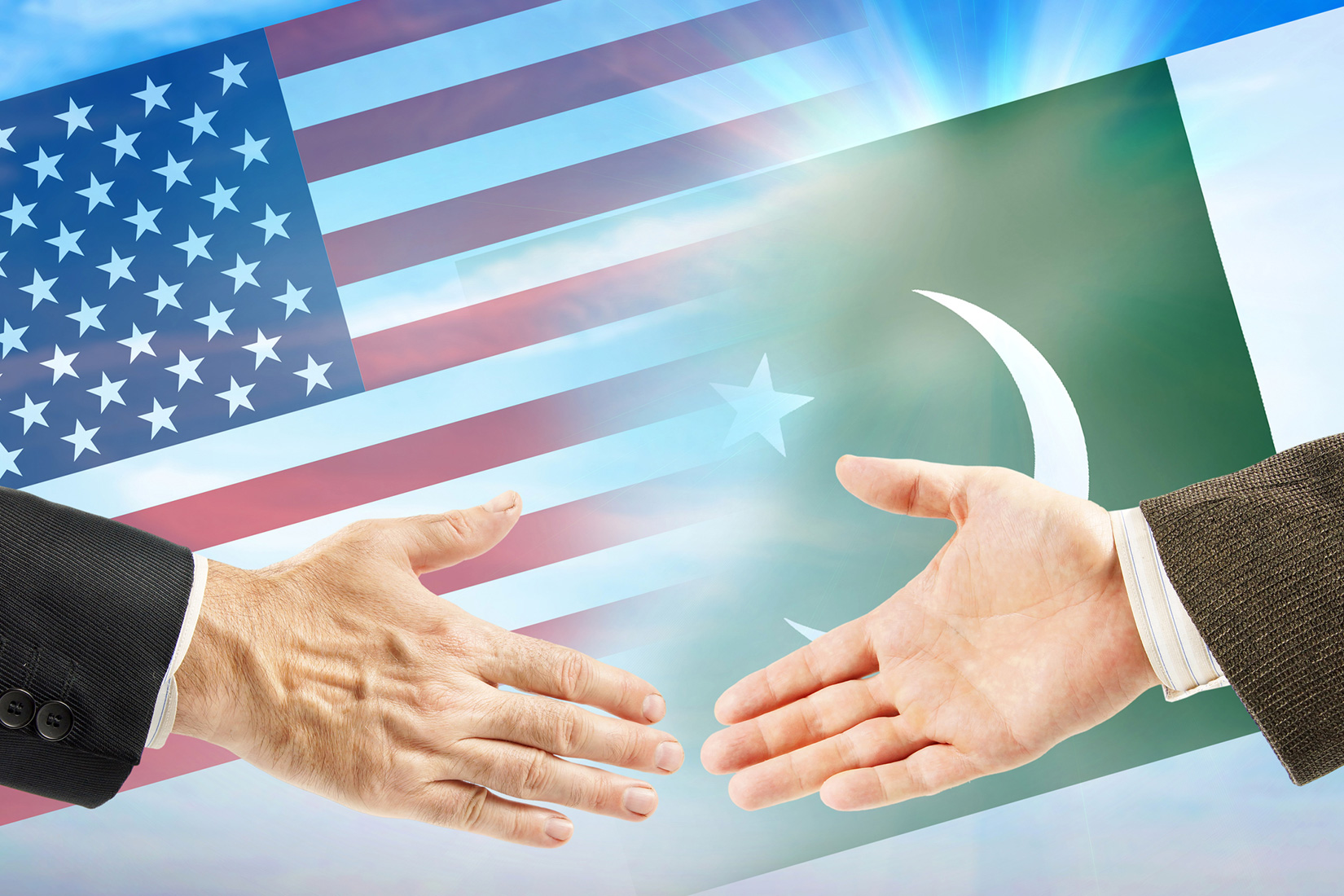
Distrust of the United States’ Leaning Toward Pakistan
Secondly, there is distrust in India regarding the U.S.’s leaning toward Pakistan. Pakistan, which immediately accepted President Trump’s claim that he had contributed to the ceasefire with India, expressed its gratitude, and nominated him for the Nobel Peace Prize, has succeeded in developing a dramatically closer relationship with the U.S. in the past year. The invitation of Chief of Army Staff Asim Munir, who has become Trump’s “favorite field marshal,” and Prime Minister Shehbaz Sharif to the White House, which is in contrast to the lack of face-to-face meetings between the leaders of India and the U.S., is symbolic of this. [9] Regarding the war against Iran discussed further below, the U.S. has positioned Pakistan as the “only mediator” [10] and Vice President JD Vance has visited Pakistan, the first visit by a U.S. vice president to that country in 15 years. [11] Pakistan had long been ignored in U.S. policy, but now it has rapidly emerged as an important presence.
When asked about this point at a joint briefing, Secretary of State Rubio presented the defense that “tactical” relationships with other countries were not built at the expense of the “strategic” relationship with India. However, Rubio justified this by saying that India implements the same policy, making it clear that the Trump administration had no intention of scaling back its relationship with Pakistan.[12]
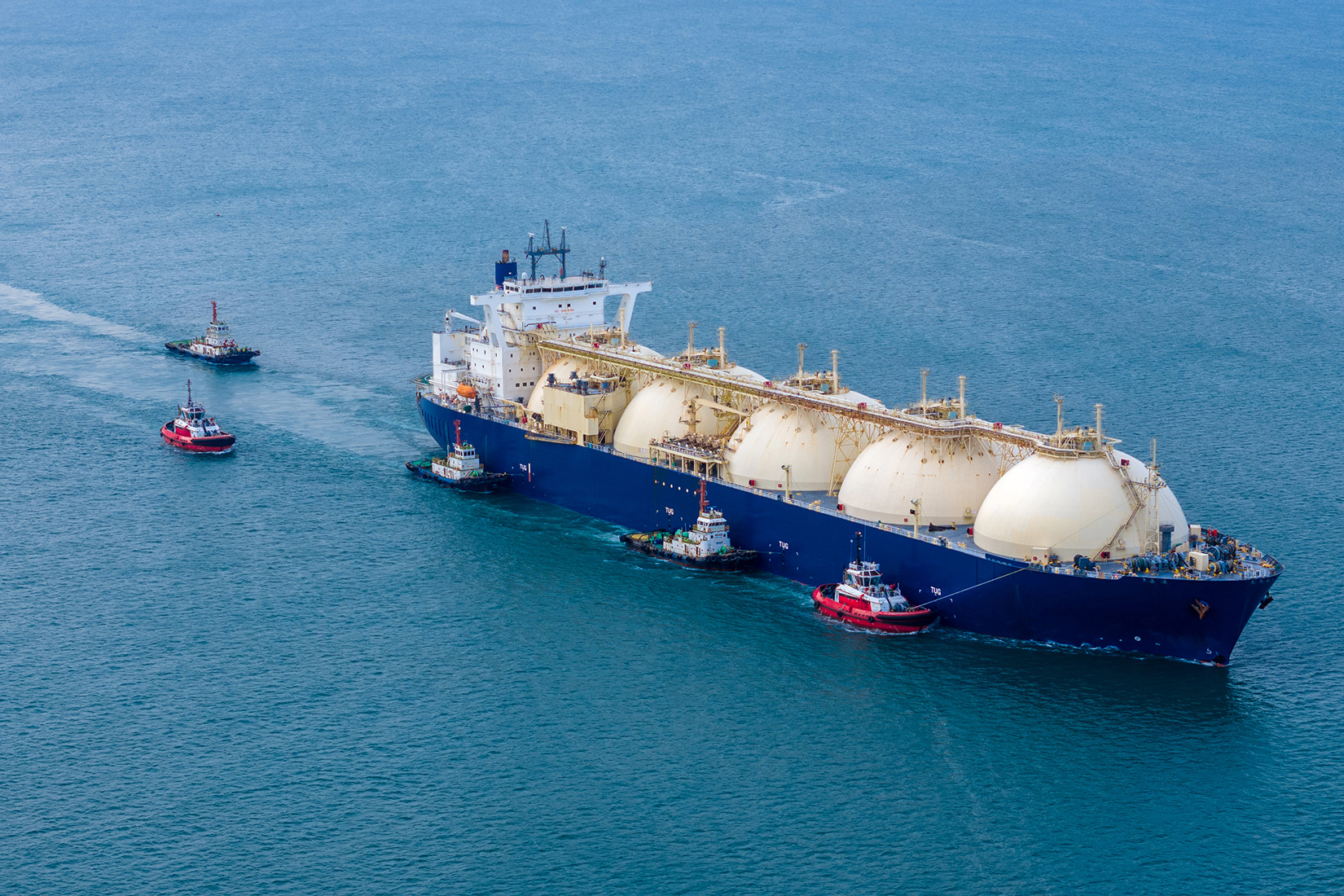
India is Struggling Due to the Iran Situation
Thirdly, there is the Iran situation. Since the Strait of Hormuz was effectively closed, there have been insufficient energy supplies to meet demand in India, particularly of liquefied petroleum gas (LPG), and soaring prices and a record depreciation of the rupee have directly hit the economy. The harm has already spread to the nine million Indian nationals living in the Middle East region. In addition, both its relationships with the U.S. and Israel and its traditional relationship with Iran, which is advancing the Chabahar port development and other projects, are important to India. [13] Moreover, India is deepening its strategic relationships with the United Arab Emirates (UAE), Oman, Qatar, and other Gulf countries which are facing retaliation from Iran. With its important partners becoming parties to the conflict, India has been forced into a situation in which it is caught between a rock and a hard place, in contrast to Pakistan, which is emerging as a mediator. [14] There is a perception within India that perhaps the U.S. is indifferent to these facts.[15]
While the U.S. has shown some consideration for India on this matter, it has not been able to satisfy India; on the contrary, a growing rift between the two sides has emerged. Secretary of State Rubio told Prime Minister Modi that the U.S. would not allow Iran to “hold the global energy market hostage” and pitched increased purchases of energy from the U.S. as having “the potential to diversify India’s energy supply.” [16] In response to this, External Affairs Minister Jaishankar recognized the U.S. as an energy supplier that “fits the bill in many respects” as a “very significant and reliable source” of energy, while also not forgetting to add “so do some other countries.” This is because India cannot afford to be forced to accept high-cost U.S.-produced energy. Furthermore, in contrast to Rubio, who explicitly condemned Iran as “the world’s leading sponsor of terrorism,” Jaishankar made it clear that for India, its relations with the United States, with Israel, with Iran, and with the Gulf countries are all important, the challenge in this situation is how to maintain all these relationships, how to protect India’s equities, and how to advance India’s interests, and India does not look at it as a zero-sum game. [17]
The Deep-Rooted Emotional Confrontation Between India and the United States
Finally, perhaps the most difficult problem to overcome is the deepening emotional confrontation over the past year. In particular, the frequent insulting and racist remarks from President Trump and his inner circle have increased the discomfort of India. Immediately before Secretary of State Rubio’s visit to India, there was extreme indignation in India when President Trump reposted comments by a conservative American commentator claiming that Indians and Chinese are immigrants who come from “hellholes” and “instantly make their children citizens.” [18]
When asked by a journalist in a joint press conference about the racist comments in the U.S., Secretary of State Rubio only responded by saying, “every country has stupid people,” without clarifying which comments he was referring to. [19] Addressing the recent changes made to green card and visa policies for Indian people as a part of an immigration crackdown, Rubio justified the changes as universal policies based on “America First” that do not target India specifically. However, External Affairs Minister Jaishankar stated that India’s expectation is that legal mobility would not be adversely impacted as a consequence of the changes. [20]
In addition, President Trump himself and the people around him have made insulting comments about India, saying that it has a “dead economy” and that it is a “Russian laundromat,” and the unfair treatment of India has continued, including the claim about brokering a ceasefire between India and Pakistan mentioned at the beginning of this paper and the imposition of a 50% tariff. The Indian people, especially supporters of Prime Minister Modi, will not easily forget the “harsh treatment” they have received from the Trump administration over the past year.
Developments Going Forward
As is clear from the above, India is not paying attention to any statements that “India is important,” but rather to the actions of the U.S.; namely, whether or not the U.S. will implement policies on which India truly places importance. Specifically, firstly, there is the outcome of the India-U.S. trade agreement negotiations, during which a provisional agreement was announced in February 2026. U.S. Ambassador to India Sergio Gor expressed optimism about the prospects for the negotiations and, at the start of June, a U.S. delegation visited India. [21] However, a formal agreement will likely be conditional on the U.S. side allowing a considerable degree of protection for the agricultural sector, similarly to the free trade agreements India has concluded with the U.K., the EU, and New Zealand over the past year.
Secondly, there is the question of whether or not the U.S. will implement policies that truly recognize the strategic significance of the Quad. Regarding this point, the announcement at the recent Quad Foreign Ministers’ Meeting that, given the Iran situation, a Quad Initiative on Indo-Pacific Energy Security would be launched and a Quad Fuel Security Forum would be convened in the U.S. later this year was received positively. [22] In addition, it was decided that frameworks for strengthening the supply chain for critical minerals would be established in the Quad and between India and the U.S. [23] The U.S. has made it clear that it intends to commit to substantive cooperation at the working level. What is missing is a guarantee of consultations at the summit level, but there is no apparent path toward those consultations unless the damaged personal relationship between the Indian and American leaders is repaired. [24]
(2026/06/30)
Notes
- 1 Toru Ito, “Rapidly Growing Distrust of the U.S. in India and the Crisis in India-U.S. Relations--The Limits of Trump-Modi Friendship,” International Information Network Analysis (IINA), August 7, 2025.
- 2 “Lunch, tariffs and trade: Piyush Goyal hosts US Commerce Secretary Howard Lutnick in Delhi,” Financial Express, February 26, 2026.
- 3 U.S. Department of State, “Secretary of State Marco Rubio and Indian External Affairs Minister Dr. Subrahmanyam Jaishankar at a Joint Press Availability,” May 24, 2026.
- 4 “India is important to the U.S.’s Indo-Pacific policy, says Rubio, invites Modi to Washington,” The Hindu, May 29, 2026.
- 5 “India can count on me, big fan of PM Modi: Trump joins Delhi event via call,” India Today, May 25, 2026.
- 6 Manoj Joshi, “Rubio’s Visit Cannot Hide the Hard Truth About India-US Relations,” The Wire, May 26, 2026; Swasti Rao, “The Quad is fading. India must now confront the limits of strategic ambiguity,” The Print, May 29, 2026.
- 7 Ministry of Foreign Affairs of Japan, “Joint Statement from the Quad Foreign Ministers’ Meeting in Washington,” July 1, 2025.
- 8 Ministry of Foreign Affairs of Japan, “Quad Foreign Ministers’ Meeting Joint Statement New Delhi, India,” May 26, 2026.
- 9 June 2025 marked the first time a chief of army staff from “civilian-ruled” Pakistan was invited to the White House and, three months later, Munir was invited again along with Prime Minister Sharif. Anwar Iqbal, “Army chief joins Trump for ‘historic’ White House lunch,” Dawn, June 19, 2025; Anwar Iqbal, “PM Shehbaz meets Trump, discusses regional security, counterterrorism in landmark visit to White House,” Dawn, September 25, 2025.
- 10 Eiji Honma, “The next U.S.-Iran negotiations are likely to be held in Pakistan, the ‘only mediator,’ with final coordination continuing,” The Sankei Shimbun, April 16, 2026.
- 11 “JD Vance becomes 7th US vice president to visit Pakistan: List of past American presidents and VPs,” Geo News, April 11, 2026.
- 12 Debdutta Chakraborty, “Rubio hints at tactical ties with Pakistan, says they are not at expense of strategic ties with India,” The Print, May 24, 2026.
- 13 Amidst strengthening sanctions on Iran, the Trump administration ended the sanctions waiver for Chabahar port on April 26. Suhasini Haidar, “U.S. sanctions waiver on Chabahar port ends on April 26, could signal end of 23-year-old connectivity project,” The Hindu, April 26, 2026.
- 14 Rahul Bedi, “Pakistan Seizes the Diplomatic Stage in the West Asia Crisis; India Stays Cautiously Invisible,” The Wire, April 11, 2026.
- 15 Suhasini Haidar, “India must draw a red line on U.S. unilateral sanctions,” The Hindu, April 22, 2026; Deepa M. Ollapally and N. Manoharan, “The Iran war, India’s strategic autonomy challenges,” The Hindu, May 15, 2026.
- 16 “Rubio Tells Modi US Will Not Let Iran Disrupt Energy Flows, Pushes Energy Exports,” The Wire, May 23, 2026.
- 17 “Hormuz Deal ‘Could Be Hours Away’, Says Rubio, Escalates Anti-Iran Rhetoric in Delhi,” The Wire, May 24, 2026.
- 18 For example, refer to approximately the first three minutes of this news video from Republic TV in India: “Debate With Arnab LIVE: Did Trump Cross The Red Line With India In His ‘Hellhole’ Banter?” Republic World (YouTube), April 24, 2026.
- 19 The remarks were posted on the U.S. State Department’s official social media channel but were deleted after they went viral. Sanstuti Nath, “Marco Rubio’s Office Deletes “Stupid People” Post After Racism Remarks Spark Buzz,” NDTV World, May 27, 2026.
- 20 Danita Yadav, “‘Not targeted at India’: Marco Rubio clears the air on green card, H-1B, student visa policy changes,” Hindustan Times, May 24, 2026.
- 21 Kallol Bhattacherjee, “India-U.S. trade deal will be signed ‘over the next few weeks and months’: Sergio Gor,” The Hindu, May 30, 2026.
- 22 “Cooperation on economic security with China in mind, deterring ‘changes to the status quo by force,’ the Japan-Australia-India-U.S. strategic dialog (the Quad),” The Asahi Shimbu, May 27, 2026.
- 23 Kallol Bhattacherjee, “India-U.S. and Quad frameworks on critical minerals take shape amid Chinese curbs,” The Hindu, May 26, 2026.
- 24 After returning home, Secretary of State Rubio revealed to the House Foreign Affairs Committee that the U.S. and India are working toward holding a summit meeting before the end of the year. However, he did not explicitly state that it would be held in India, instead suggesting that it might be held in a multilateral meeting. Koji Sugimoto, “Toward the holding of the Japan-Australia-India-U.S. (Quad) Leaders’ Meeting, U.S. Secretary of State explains that ‘coordination is under way,’ it was not held last year,” The Sankei Shimbun, June 4, 2026.