



The Assam Summit That Never Happened
On the evening of July 1, 2026, Prime Minister Sanae Takaichi arrived at Delhi’s Palam Air Force Base for a summit meeting with Prime Minister Narendra Modi. It was her first visit to India, not only as prime minister but also personally.
The meeting had initially been widely reported as taking place not in the capital but in the state of Assam.[1] Long marginalized in India’s economic development, the Northeast has gained strategic importance under the Modi government’s Act East policy,[2] which positions the region as India’s gateway to ASEAN. Assam is also where the Tata Group is constructing a semiconductor assembly plant. Japan, for its part, has been an active supporter of the region’s infrastructure and economic development through connectivity initiatives—one of the pillars of its Free and Open Indo Pacific (FOIP) vision.
This was not the first time a Japan-India summit had been planned in Assam. In December 2019, then Prime Minister Shinzo Abe was scheduled to visit the state, but the trip was cancelled at the last minute amid nationwide protests against the Modi administration’s Citizenship Amendment Act (CAA), aimed at expediting Indian citizenship for persecuted non-Muslim minorities from neighboring countries.
Takaichi’s interest in a summit in Assam would not be surprising, given her self identification as Abe’s political heir. Assam Chief Minister Himanta Biswa Sarma had expressed high expectations for a large Japanese business delegation, even launching a major beautification campaign in Guwahati in anticipation of the visit.[3] Ultimately, however, constraints on Takaichi’s schedule—effectively leaving time for only one full day of meetings—combined with operational and security concerns led to the cancellation of the Assam leg. Her visit was confined to Delhi.
The Evolution of Bilateral Relations
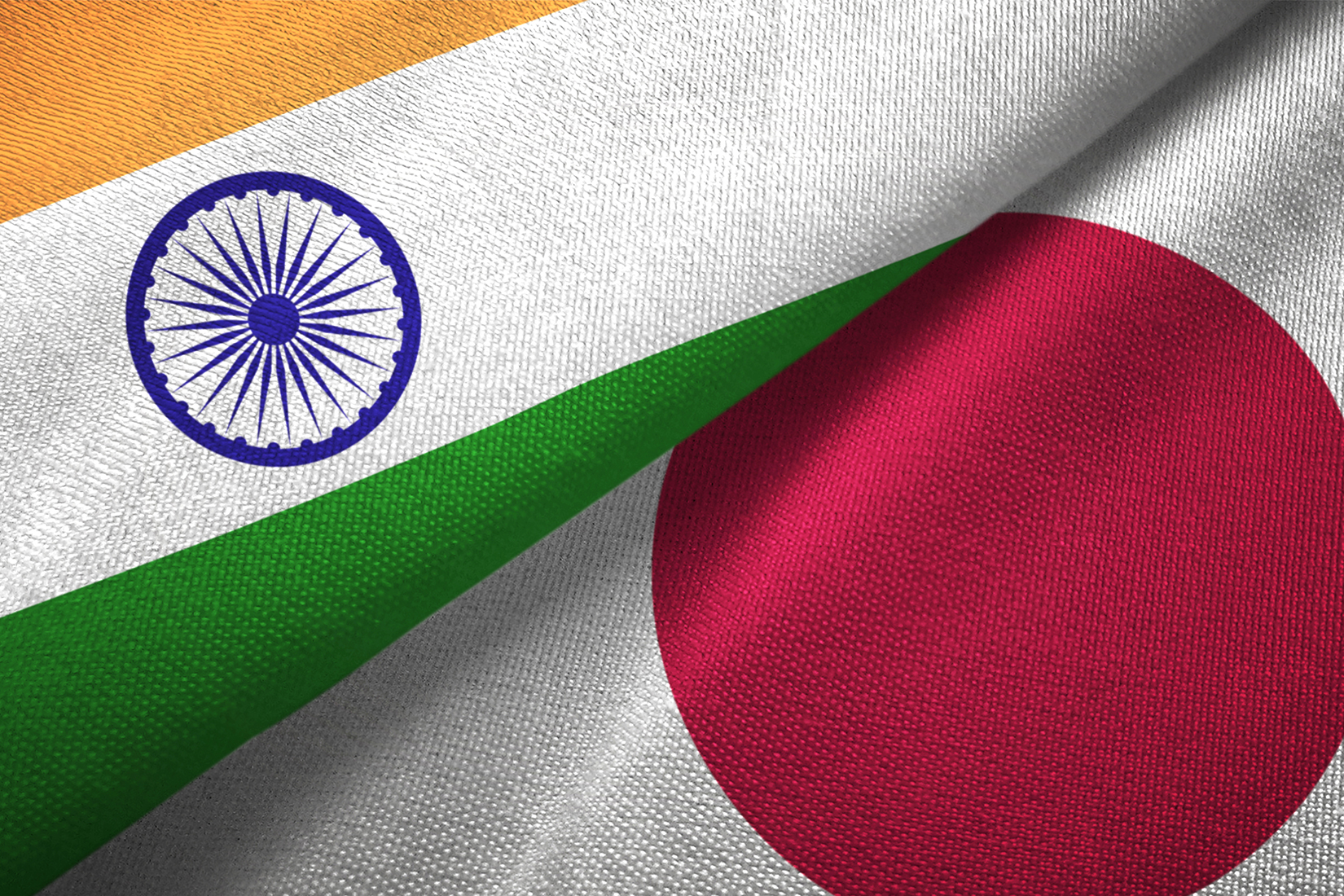
The significance of Takaichi’s first trip to India was not diminished by the change in venue. Of greater consequence is that the visit took place in an international environment fundamentally different from that of previous decades.
During the Cold War, Japan-India relations remained distant, as Japan was allied with the United States and India championed a Soviet leaning non alignment. Even after the Cold War, Japan prioritized China, South Korea, and ASEAN, and India’s nuclear tests in 1998 further thwarted closer engagement.[4]
A turning point came when Washington, wary of China’s rise, began strategic engagement with New Delhi. President Bill Clinton’s 2000 visit—the first by a US president in 22 years—was followed by Prime Minister Yoshiro Mori’s trip later that year, which launched the Japan-India global partnership.[5] Prime Minister Jun’ichiro Koizumi’s 2005 visit added a strategic orientation,[6] and during Manmohan Singh’s visit to Japan in 2006, the partnership was formally upgraded to a strategic global partnership, accompanied by annual reciprocal summit visits.[7] In 2014, Modi accepted Abe’s proposal to elevate ties further to a special strategic and global partnership.[8]
The urgency of bilateral visits declined after the 2019 summit was cancelled due to domestic unrest in India. Contributing factors included the COVID 19 pandemic and the elevation of the Quad security framework to leader level meetings. Japan and India increasingly met on the sidelines of G7, G20, and East Asia Summit gatherings.[9] In short, the post 2000 deepening of Japan-India relations was heavily underpinned by the strategic environment created by US engagement with India.
Revival of Annual Reciprocal Visits
The advent of Trump 2.0 has changed that calculus. The White House’s America First approach has brought higher tariffs even for allies and partners. India—never a formal ally but long treated as a quasi partner—was hit with punitive tariffs. And while Washington escalated dismissive rhetoric toward India, it moved to deepen ties with Pakistan.[10] References to the Quad, once central to US Indo Pacific strategy, sharply declined, and a summit that was expected to be held in Delhi remains unscheduled. India perceives Washington as easing its hostile stance toward China, pursuing deals with Beijing, and even entertaining notions of a US-China G2.[11]
For Japan and India—neighbors to a militarily powerful China via the sea and land and economically vulnerable to Chinese supply chains—this shift is deeply unsettling.
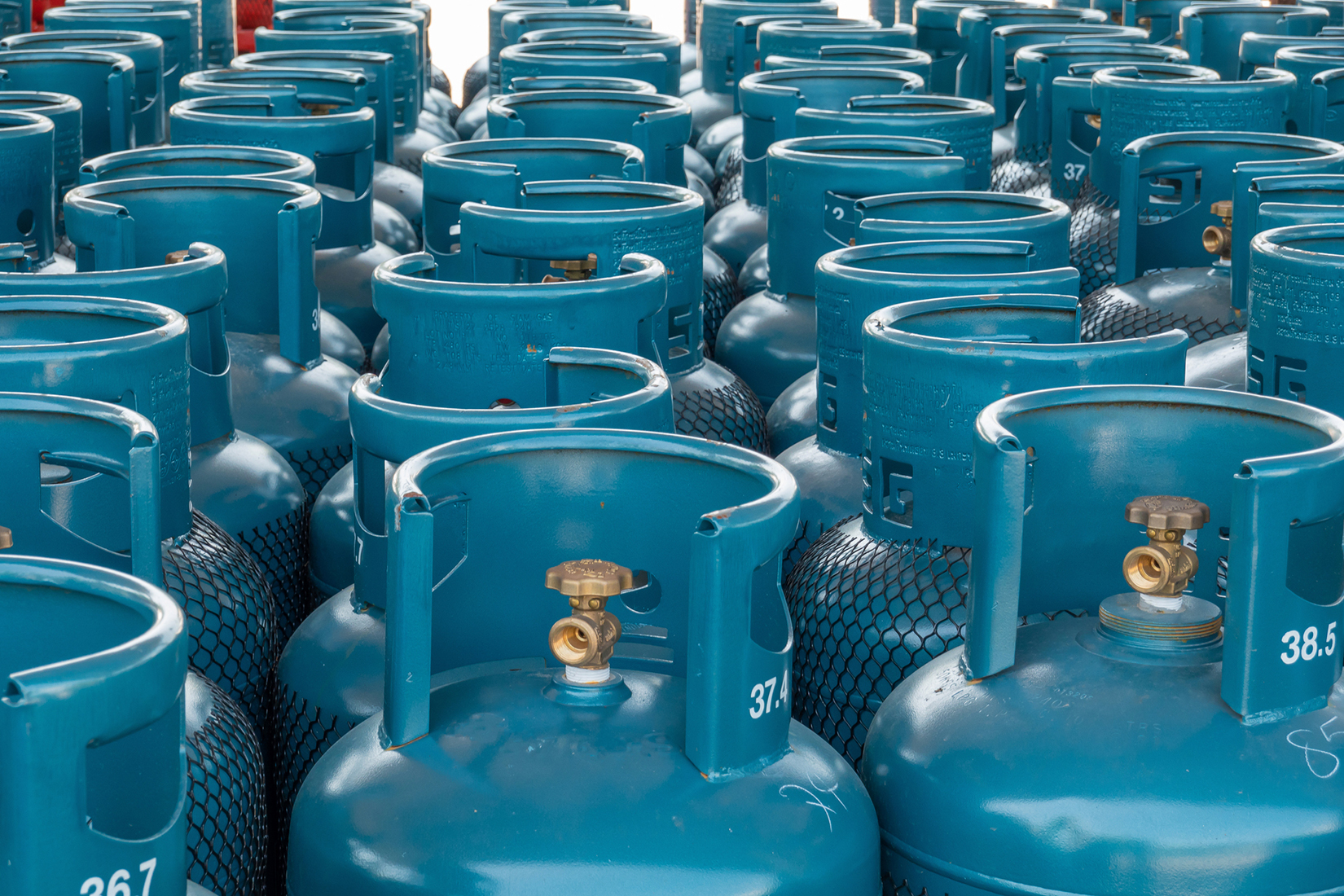
The shock intensified after the launch of joint US-Israeli strikes on Iran in late February 2026. With limited domestic energy resources and heavy dependence on shipments through the Strait of Hormuz, Japan and India faced immediate supply anxieties: naphtha shortages in Japan and concerns over LPG supplies in India. The crisis underscored a stark reality: reliance on the United States alone could no longer guarantee deterrence against China nor basic energy security.
Japan-India Cooperation Takes a Practical Turn
This is the context in which visits were made by Modi in August 2025 and by Takaichi in July 2026. During Modi’s meeting with then Prime Minister Shigeru Ishiba, the two countries launched the Japan-India Economic Security Initiative, set a ¥10 trillion target for Japanese private investment in India, and agreed for 50,000 skilled Indian workers to be employed in Japan.
This year’s summit produced a joint declaration identifying five priority areas for economic security cooperation: semiconductors and critical minerals (including rare earths), clean energy such as ammonia, ICT infrastructure including submarine cables, and pharmaceuticals.[12] The two governments also agreed to strengthen energy security cooperation, including supply chain resilience and the establishment of a task force on petroleum product stockpiling—covering crude oil and LPG—following the Hormuz crisis.[13]
Noteworthy this time was the specificity of complementary initiatives. Japanese and Indian firms signed 129 memoranda of understanding, including IHI’s partnership with India’s ACME Group to produce ammonia from solar powered hydrogen for use in Japanese coal fired plants and Suzuki’s plan to build 1,000 biogas facilities using cattle waste purchased from farmers—creating a market for compressed natural gas (CNG) vehicles, an area where Japanese automakers excel.[14]
The joint statement’s reference to “enhancing bilateral financial cooperation and collaboration on payment systems between Japan and India, including local currency transactions,” signals an intent to facilitate yen-rupee direct trading to support investment amid currency depreciation pressures on both sides.[15] In the AI sector—now dominated by the United States and China—the two governments agreed to jointly develop large language models and bring 500 Indian AI specialists to Japan by 2030.[16]
The summit also covered traditional security cooperation: topics discussed included maritime security, the transfer of Japan’s Unified Complex Radio Antenna (UNICORN) system, and a shared commitment to push for an early Quad summit despite foot-dragging by Washington.
But of greater importance was that Japan and India moved beyond diplomatic and security alignment toward practical cooperation centered on economic and energy security, driven by concerns about declining US engagement in the Indo Pacific and the protracted Iran crisis. As US behavior becomes harder to predict, both countries are compelled to leverage each other’s strengths to safeguard their interests.
Indian international relations scholar Happymon Jacob argues that the era of relying on Washington to conceptualize and lead the region’s strategic future is over; major Asian powers—including Tokyo and New Delhi—must now shape their own strategic space.[17] Takaichi’s visit to India illustrates this shift: Japan-India relations are discreetly moving from a largely symbolic means of countering China toward a more substantive and operational partnership.
(2026/08/03)
Notes
- 1 “Japanese PM Takaichi May Visit India in July,” NHK World-Japan, June 4, 2026.
- 2 The concept was announced by the Modi government, launched in 2014, as an evolution of the Look East policy that had guided India’s engagement with East Asia since 1991. Act East aims not only to deepen economic ties but also to strengthen defense and maritime security cooperation and improve connectivity across the Indo Pacific. Shantanu Roy Chaudhury, “From ‘Look East’ to ‘Act East’: Mapping India’s Southeast Asian Engagement,” ORF Issue Brief, No. 800, May 2025.
- 3 The beautification campaign was suspended after the Assam visit was cancelled. “CM Himanta Biswa Sarma Confirms the Cancellation of Japanese PM’s Assam Visit,” The Sentinel Assam, June 24, 2026.
- 4 Toru Ito, “Indo gaiko ni okeru Nihon no shuenka” (Japan’s Marginalization in Indian Diplomacy), in Taketoshi Horimoto (ed.), Gendai Nichi-In kankei nyumon (Introduction to Contemporary Japan-India Relations), University of Tokyo Press, 2017, pp. 81–97.
- 5 Ministry of Foreign Affairs of Japan, “Republic of India: Basic Data,” February 18, 2026. See the section on “Recent Relations.”
- 6 Ministry of Foreign Affairs of Japan, “Japan-India Partnership in a New Asian Era: Strategic Orientation of Japan-India Global Partnership,” April 29, 2005.
- 7 Ministry of Foreign Affairs of Japan, “Joint Statement Towards Japan-India Strategic and Global Partnership,” December 15, 2006. Between 2005 and 2018, the only year in which reciprocal summit visits were cancelled was 2012, when Prime Minister Yoshihiko Noda unexpectedly dissolved the Diet for a snap election.
- 8 Ministry of Foreign Affairs of Japan, “Tokyo Declaration for Japan-India Special Strategic and Global Partnership,” September 1, 2014.
- 9 Between 2019 and 2024, the only bilateral summit visit to the other country was Prime Minister Fumio Kishida’s 2022 trip to India.
- 10 Toru Ito, “Rapidly Growing Distrust of the U.S. in India and the Crisis in India-U.S. Relations: The Limits of Trump-Modi Friendship,” International Information Network Analysis (IINA), September 12, 2025.
- 11 Toru Ito, “Restoration of Trust Between India and the United States Remains a Distant Goal Despite the Visit to India by Secretary of State Rubio and the Holding of the Quad Foreign Ministers’ Meeting,” International Information Network Analysis (IINA), June 30, 2026.
- 12 Prime Minister’s Office of Japan, “Japan-India Joint Declaration on Economic Security Cooperation,” July 2, 2026.
- 13 Ministry of Foreign Affairs of Japan, “16th Japan-India Annual Summit Joint Statement: Advancing a Partnership of Strategic Convergence and Trust for Shared Growth, Prosperity and Resilience,” July 2, 2026.
- 14 Prime Minister’s Office of Japan, “List of Memoranda and Other Documents Exchanged Between Japan and India on This Occasion,” July 2, 2026.
- 15 “Japan and India to Take Step Toward Direct Yen-Rupee Settlements: System Would Allow for Cheaper, Faster and Non-Dollar Cross-Border Payments,” Nikkei Asia, June 30, 2026.
- 16 Prime Minister’s Office of Japan, “Japan–India Joint Statement on Cooperation in the Field of Artificial Intelligence (AI),” July 2, 2026; Ministry of Economy, Trade and Industry, “The Governments of Japan and the Republic of India Sign Memorandum of Cooperation in the Field of Artificial Intelligence (AI),” July 2, 2026.
- 17 Happymon Jacob, “India, Japan, and the Indo Pacific,” India’s World, July 4, 2026.